
What Information Should You Avoid Sharing on the Internet?
Gusti Ayu Tita P
18 September 2026
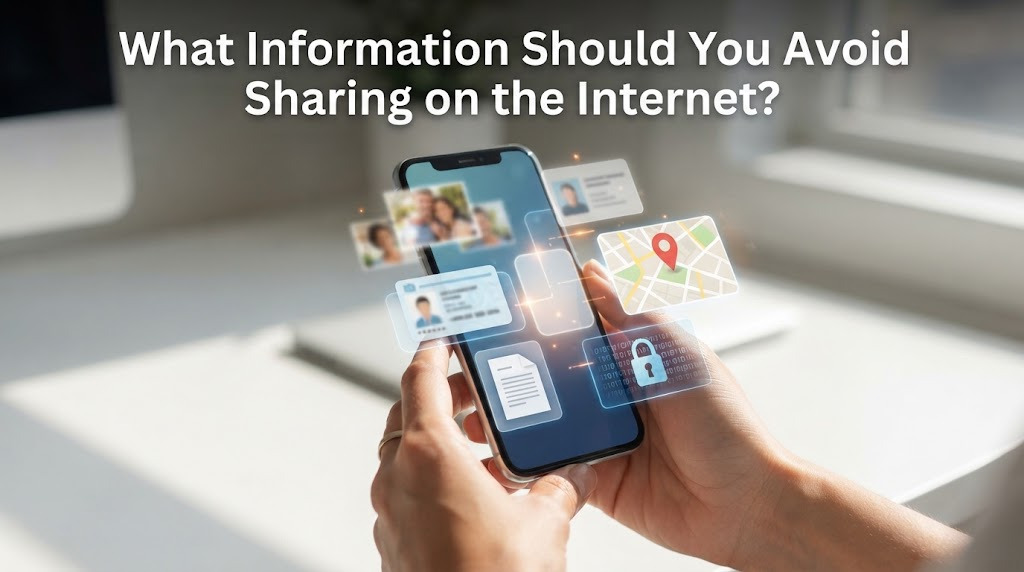
The internet makes it easy to communicate, shop, study, work, and connect with other people. However, sharing too much personal information online can create privacy and security risks. Information posted on social media, websites, or messaging platforms may be copied, saved, or misused by other people. Knowing what information to avoid sharing is an important part of maintaining online privacy and digital security.
WHAT PERSONAL INFORMATION SHOULD YOU AVOID SHARING?
People should avoid publicly sharing sensitive information such as their full home address, phone number, personal email address, identification numbers, and financial information. These details can potentially be used for scams, unwanted contact, identity-related fraud, or other forms of misuse. Even when a platform appears trustworthy, users should consider whether the information is necessary before posting it. Limiting unnecessary personal details can reduce exposure to online threats.
Information about family members should also be shared carefully. Posting another person's phone number, address, or private details without permission can affect their privacy as well. Users should remember that information about themselves and other people may remain accessible even after a post is deleted. Practicing responsible information sharing can help protect everyone involved.
WHY SHOULD YOU PROTECT PASSWORDS AND LOGIN DETAILS?
Passwords, verification codes, recovery codes, and login credentials should never be shared publicly or sent to unknown people. These details can provide direct or indirect access to online accounts. A person who obtains login information may attempt to take control of an account, access private messages, or misuse stored information. Strong and unique passwords can provide an additional layer of account protection.
Users should also be careful with messages asking them to provide passwords or security codes. Legitimate services generally have established processes for account verification and should not require users to casually disclose sensitive credentials to strangers. Multi-factor authentication can add another security layer when available. Keeping authentication information private is an essential part of account security.
SHOULD YOU SHARE YOUR LOCATION ONLINE?
Sharing a precise or real-time location can create unnecessary privacy and personal safety risks. Posts showing where someone currently lives, studies, works, or spends time may reveal more information than intended. Repeated location updates can also create a pattern of daily activities. This information can become more sensitive when combined with a person's name, photos, and other public details.
Users can reduce these risks by avoiding unnecessary real-time location sharing. Instead of posting a location while still there, people may choose to share the experience later if appropriate. It is also useful to review location permissions for social media and other applications. Being selective about location information is an important part of maintaining online safety.
WHAT FINANCIAL INFORMATION SHOULD REMAIN PRIVATE?
Financial information requires particularly careful protection. People should avoid sharing bank account numbers, card numbers, PINs, security codes, and financial account credentials through public posts or with unknown individuals. Photos of payment cards, receipts, or financial documents may also contain information that should remain private. Even partial details can sometimes provide useful clues when combined with other information.
Scammers may use financial information in attempts to impersonate organizations or create fraudulent transactions. Users should therefore verify who they are communicating with before providing sensitive financial details. Suspicious requests for urgent payments or confidential information should be treated carefully. Protecting financial information can reduce the risk of fraud and unauthorized access.
WHY SHOULD YOU BE CAREFUL WITH PHOTOS AND DOCUMENTS?
Photos can sometimes reveal more information than people realize. A picture may unintentionally show identification documents, school cards, tickets, addresses, vehicle information, or private conversations in the background. Screenshots can also expose usernames, email addresses, notifications, or other sensitive details. Before uploading an image, users should check the entire picture rather than focusing only on the main subject.
Documents should receive similar attention. Avoid posting images of passports, identity cards, certificates containing sensitive numbers, or other documents that contain personal data unless there is a clear and secure reason to do so. If a document must be shared digitally, unnecessary sensitive information should be protected where appropriate. Careful use of photos and digital documents can help reduce accidental data exposure.
HOW CAN YOU SHARE INFORMATION MORE SAFELY?
Before posting anything online, users can ask themselves what information is being shared, who can access it, and why it needs to be shared. Privacy settings should be reviewed regularly because platform features and account settings can change. Users should also be cautious when accepting friend requests, followers, or messages from people they do not know. Limiting public information can make it more difficult for strangers to build a detailed profile of someone's personal life.
It is also important to think before sharing information about other people. Ask for permission before posting private photos, contact details, or personal stories involving someone else. Avoid sharing information simply because it seems harmless at the moment, especially when the information could become sensitive later. Developing good digital privacy habits can make everyday internet use safer and more responsible.
CONCLUSION
Knowing what information to avoid sharing on the internet is an important part of online privacy and digital security. Users should protect passwords, financial details, identification information, precise locations, private documents, and other sensitive data. Photos and social media posts should also be reviewed carefully because they may reveal information unintentionally. By thinking before posting, checking privacy settings, and sharing information only when necessary, people can reduce their exposure to online privacy risks and protect their personal information more effectively.
Tentang Penulis
Gusti Ayu Tita P
Penulis — Universitas STEKOM
Penulis aktif yang berfokus pada isu-isu akademik, teknologi pendidikan, dan pengembangan sumber daya manusia di lingkungan kampus.



