What Is Inflation and Why Should We Care?
Gusti Ayu Tita P
4 September 2026
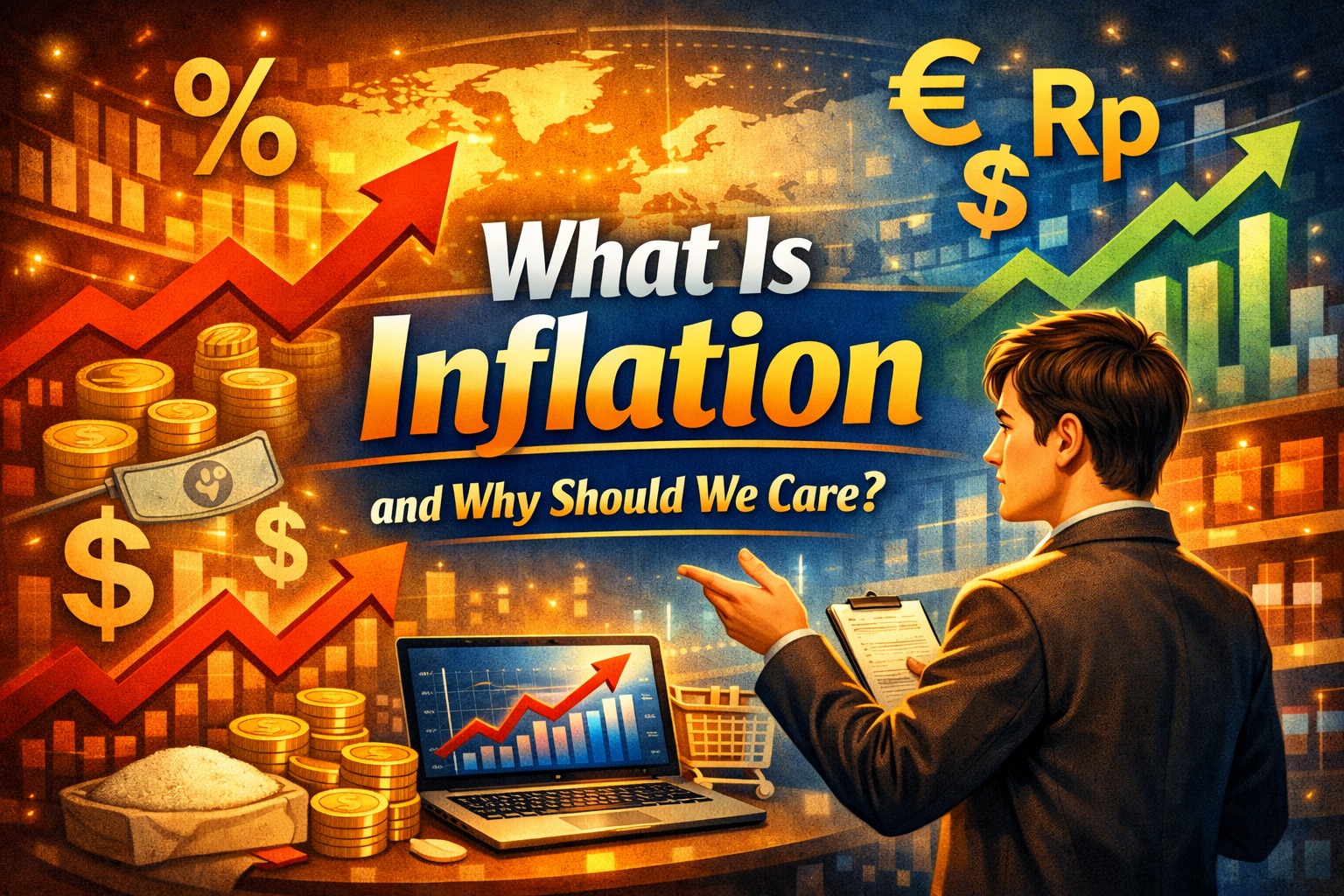
Inflation is a term we hear frequently in the news, yet many people don’t fully understand how it affects everyday life. From rising food prices to higher rent and transportation costs, inflation touches almost every aspect of our finances. Understanding inflation is essential because it helps individuals make smarter decisions about spending, saving, and investing.
WHAT IS INFLATION?
Inflation refers to the gradual increase in the prices of goods and services over time. When inflation occurs, the purchasing power of money decreases. In simple terms, the same amount of money buys fewer items than it did before.
For example, if a cup of coffee costs $2 today and inflation rises by 5%, the same coffee may cost $2.10 next year. While the increase may seem small, over time inflation can significantly impact the cost of living.
HOW INFLATION WORKS
Inflation typically occurs when demand for goods and services exceeds supply. When more people want to buy products than businesses can produce, prices naturally rise. Inflation can also happen when production costs increase, forcing companies to charge more to maintain profits.
There are three main types of inflation:
Demand-Pull Inflation – Happens when demand is higher than supply.
Cost-Push Inflation – Occurs when production costs rise, such as higher wages or raw material prices.
Built-In Inflation – Develops when workers demand higher wages to keep up with rising living costs, which then increases business expenses.
COMMON CAUSES OF INFLATION
Several factors contribute to inflation, including:
- Increased consumer spending
- Higher production and transportation costs
- Supply chain disruptions
- Expansion of money supply by central banks
- Currency depreciation
These factors often work together, creating a cycle that pushes prices upward.
HOW INFLATION AFFECTS DAILY LIFE
Inflation influences how people spend, save, and plan for the future. Some of the most noticeable effects include:
Higher Cost of Living
Everyday expenses such as groceries, housing, and fuel become more expensive.
Reduced Purchasing Power
Savings lose value over time if they do not grow faster than inflation.
Wage Pressure
Workers may demand higher wages to keep up with rising costs.
Changes in Consumer Behavior
People tend to spend less and prioritize essential goods during high inflation periods.
THE IMPACT OF INFLATION ON SAVINGS AND INVESTMENTS
Inflation can quietly erode the value of money saved in cash. If your savings earn 2% interest while inflation is 5%, your real purchasing power actually decreases.
This is why many investors look for assets that typically grow faster than inflation, such as stocks, real estate, or businesses. Investing wisely can help protect wealth over the long term.
WHY INFLATION MATTERS FOR EVERYONE
Inflation affects individuals, businesses, and governments alike. For individuals, it determines how far their income can stretch. For businesses, it influences pricing strategies and operational costs. For governments, inflation impacts economic stability and monetary policy decisions.
Understanding inflation allows people to:
- Plan better budgets
- Make smarter investment choices
- Protect long-term financial security
- Prepare for economic changes
HOW TO PROTECT YOURSELF FROM INFLATION
While inflation cannot be avoided, it can be managed with smart financial habits:
- Create a realistic monthly budget
- Build an emergency fund
- Invest for long-term growth
- Reduce unnecessary expenses
- Continuously improve financial literacy
Small, consistent steps can make a significant difference in maintaining financial stability.
CONCLUSION
Inflation is a natural part of economic growth, but its impact can be significant if ignored. By understanding what inflation is and how it works, individuals can make informed financial decisions and protect their purchasing power. Staying informed and proactive is the key to navigating an ever-changing economic landscape.
K
Tentang Penulis
Gusti Ayu Tita P
Penulis — Universitas STEKOM
Penulis aktif yang berfokus pada isu-isu akademik, teknologi pendidikan, dan pengembangan sumber daya manusia di lingkungan kampus.