What Is the Connection Between Stress and Nerve Disorders?
Gusti Ayu Tita P
22 September 2026
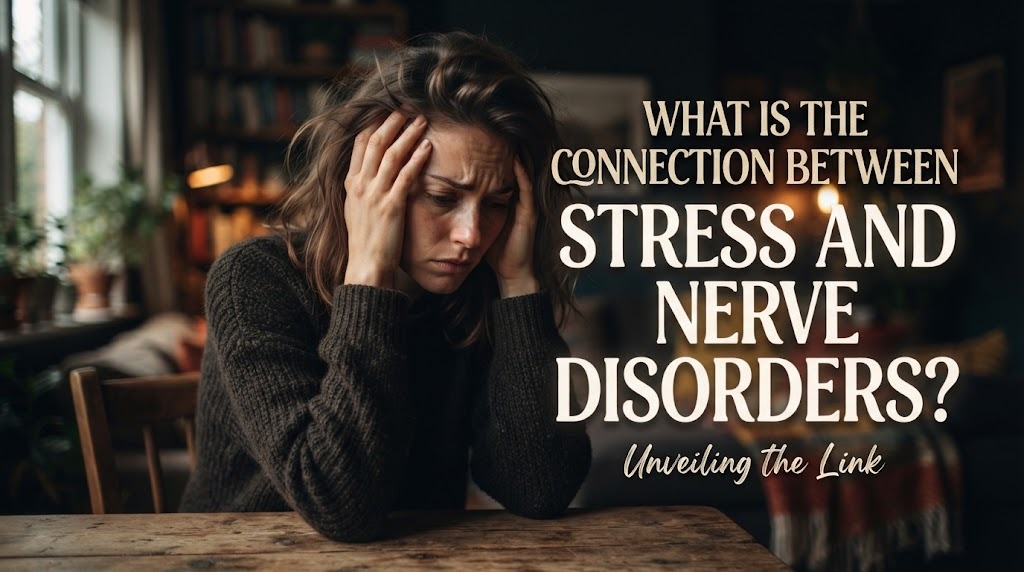
Stress is a normal response to challenging situations, but prolonged or intense stress can affect sleep, mood, concentration, muscle tension, and overall well-being. Because the nervous system helps regulate the body's response to stress, ongoing stress can influence how the body feels and functions.
Stress does not automatically cause a nervous system disorder. However, it may worsen certain symptoms or make existing problems more difficult to manage. Understanding this connection can help people recognize the importance of healthy stress management while avoiding assumptions about the cause of neurological symptoms.
HOW DOES STRESS AFFECT THE NERVOUS SYSTEM?
When a person experiences stress, the body activates systems that prepare it to respond to a challenge. The autonomic nervous system helps regulate functions such as heart rate, breathing, and blood pressure during this response. Short-term activation is a normal part of the body's protective system.
Problems can occur when stress becomes frequent or prolonged. Ongoing stress may contribute to muscle tension, sleep difficulties, headaches, and changes in concentration. These symptoms can feel uncomfortable, but they do not necessarily mean that a person has a neurological disorder.
CAN STRESS WORSEN NERVE SYMPTOMS?
Stress can sometimes make existing symptoms feel more noticeable. Pain, headaches, muscle tension, fatigue, and sleep problems may become harder to manage during periods of high stress. The effect varies from person to person and depends on the underlying condition.
Stress may also change how a person responds to discomfort. When someone is tired or worried, they may pay more attention to physical sensations. This does not mean the symptoms are imaginary. Persistent neurological symptoms still require appropriate medical evaluation.
CAN STRESS CAUSE TINGLING OR NUMBNESS?
Some people may experience tingling or unusual sensations during periods of intense stress or anxiety. Changes in breathing, muscle tension, and nervous system activity can contribute to sensations such as pins and needles in some situations.
However, tingling or numbness can have many other causes, including nerve compression, peripheral neuropathy, nutritional problems, and certain medical conditions. Persistent or unexplained symptoms should not automatically be blamed on stress. A healthcare professional can help determine the most likely cause.
HOW CAN STRESS AFFECT SLEEP AND RECOVERY?
Stress can make it difficult to fall asleep or stay asleep. Poor sleep can increase tiredness, reduce concentration, and make pain or other symptoms feel harder to manage. This can create a cycle in which stress interferes with sleep and poor sleep makes daily stress more difficult to handle.
Maintaining a regular sleep schedule may help support better rest. Relaxation activities, regular physical activity, and taking breaks from stressful tasks can also be useful. If sleep problems continue for a long time, professional advice may be appropriate.
HOW CAN STRESS BE MANAGED?
Healthy stress management can support overall nervous system and general health. Regular physical activity, sufficient sleep, relaxation techniques, social support, and organized daily routines are practical strategies for managing stress. The most suitable approach depends on individual needs and circumstances.
It is also important to seek professional help when stress becomes difficult to manage or significantly affects daily life. People with diagnosed neurological conditions should continue following their treatment plans. Stress management can complement medical care but should not replace appropriate treatment.
CONCLUSION
The connection between stress and nerve disorders is complex. Stress does not automatically cause a neurological disorder, but prolonged stress can affect sleep, pain, muscle tension, concentration, and the way existing symptoms are experienced.
Managing stress through healthy routines may help support overall well-being and make some symptoms easier to manage. Persistent, worsening, or unexplained neurological symptoms should still be evaluated by a healthcare professional rather than being attributed to stress alone.
Tentang Penulis
Gusti Ayu Tita P
Penulis — Universitas STEKOM
Penulis aktif yang berfokus pada isu-isu akademik, teknologi pendidikan, dan pengembangan sumber daya manusia di lingkungan kampus.