What Is The Role Of Educational Forums In Developing Youth Skills?
Gusti Ayu Tita P
29 September 2026
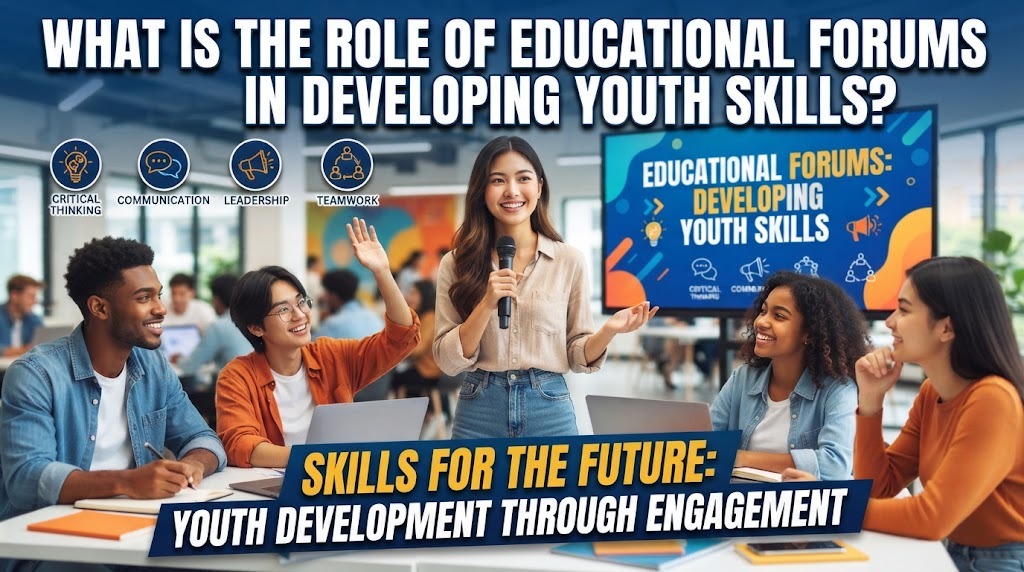
Educational forums provide young people with opportunities to learn, communicate, and exchange ideas with others. These forums can discuss education, technology, careers, personal development, and social issues. Through active participation, young people can improve both academic knowledge and practical abilities. They can also learn from educators, professionals, and other participants with different experiences. This makes educational forums a useful environment for Youth Development.
BUILDING COMMUNICATION SKILLS
Educational forums encourage young people to express ideas clearly and listen to different opinions. Discussions, presentations, and question-and-answer sessions provide regular opportunities to practice Communication Skills. Participants learn how to explain their thoughts in an organized way. They also become more familiar with responding to questions and communicating respectfully. These experiences can increase confidence in academic and professional situations.
Good communication is important for young people because it is needed in school, university, organizations, and the workplace. By participating regularly, they can gradually become more comfortable speaking with different people. They can also learn how to adjust their communication style according to the situation. These abilities can support their future personal and professional relationships.
DEVELOPING CRITICAL THINKING
Educational forums expose young people to different ideas and perspectives. Participants can compare information, ask questions, and discuss possible solutions to various problems. This process helps develop Critical Thinking and encourages young people to examine information carefully. Instead of accepting every idea immediately, they can learn to consider evidence and reasoning. These skills are useful for making informed decisions.
Group discussions can also introduce participants to opinions that differ from their own. Learning to listen and respond respectfully can improve their ability to analyze issues objectively. Young people can practice identifying important information and explaining why they agree or disagree with an idea. These habits can support better academic and everyday decision-making.
IMPROVING COLLABORATION SKILLS
Many educational forums include group discussions, projects, workshops, or team activities. These activities require participants to communicate and work toward a shared goal. Through Team Collaboration, young people can learn how to divide responsibilities and respect the contributions of others. They can also experience how different abilities can complement one another. This experience can prepare them for teamwork in future academic and professional environments.
Collaboration also teaches young people how to handle differences within a group. They may need to negotiate ideas, solve disagreements, and find practical solutions. These experiences can develop patience, responsibility, and adaptability. Such skills are valuable when working with people from different backgrounds.
SUPPORTING LEADERSHIP DEVELOPMENT
Educational forums can provide opportunities for young people to take responsibility during activities. They may become discussion leaders, presentation speakers, team coordinators, or event volunteers. These roles can strengthen Leadership Skills by encouraging participants to organize tasks and communicate with others. Young people can also learn to make decisions and take responsibility for the results of their actions. Leadership experience can gradually build confidence.
Leadership does not always mean being the person in charge. It can also involve helping a team, sharing useful ideas, listening to others, and solving problems responsibly. Educational forums provide a safe environment for practicing these behaviors. With repeated experience, young people can better understand their strengths and areas that need improvement.
PREPARING FOR FUTURE CAREERS
Educational forums can introduce young people to information about careers, industries, and workplace expectations. Speakers and professionals may share practical experiences about their fields. This can help participants understand the importance of Career Preparation and relevant skills. Young people can also discover interests that may influence their future education or career choices. Networking opportunities can provide additional information about professional development.
Career-related forums may also include activities such as interview practice, presentation exercises, or discussions about workplace communication. These activities allow participants to develop skills that can be useful beyond the classroom. By gaining experience early, young people can become more aware of the abilities they need to strengthen. This can support a more prepared approach to future education and employment.
CONCLUSION
Educational forums play a useful role in developing youth skills through communication, critical thinking, collaboration, leadership, and career preparation. They provide young people with opportunities to learn from others and practice skills in real discussions and activities. Regular participation can help them become more confident, adaptable, and prepared for future challenges. Educational forums can therefore become an important part of youth personal and professional development.
Tentang Penulis
Gusti Ayu Tita P
Penulis — Universitas STEKOM
Penulis aktif yang berfokus pada isu-isu akademik, teknologi pendidikan, dan pengembangan sumber daya manusia di lingkungan kampus.