
What Is the Role of Fingerprints in Digital Identity Technology?
Gusti Ayu Tita P
14 September 2026
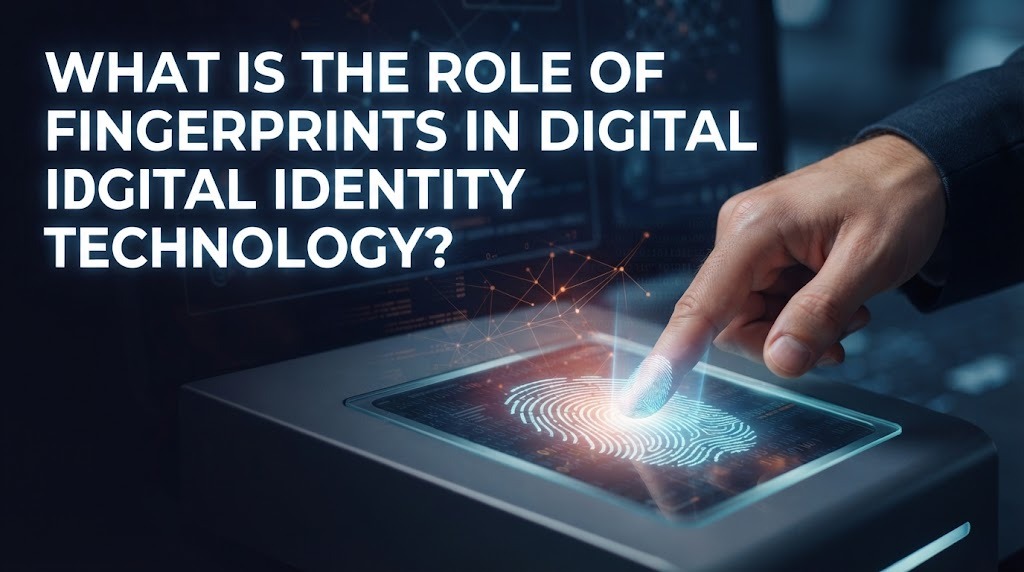
Digital identity technology is increasingly used to verify people in online and electronic services. As more activities move into digital environments, secure identity verification has become an important requirement. Fingerprint Technology provides a biometric method for confirming a person's identity through unique fingerprint patterns. It can be used alongside passwords, identification numbers, and other authentication methods. This makes fingerprints an important part of modern digital identity systems.
FINGERPRINTS AS A BIOMETRIC IDENTITY
Fingerprints are useful for digital identity because every person has a distinctive ridge pattern. A biometric system can capture this pattern and convert relevant features into digital information. The stored information can then be used when the person needs to verify their identity. This process allows systems to recognize users based on a physical characteristic.
Biometric Identification can provide a convenient alternative to traditional identity methods. Users do not need to remember additional passwords when fingerprint verification is available. The process can also be completed quickly on compatible devices. For this reason, fingerprints are commonly included in modern identity verification solutions.
DIGITAL IDENTITY VERIFICATION
Fingerprint technology can help confirm whether a person is the legitimate owner of a digital identity. When a user scans a registered finger, the system compares the captured fingerprint features with previously registered biometric data. If the information matches, the system can approve the verification process. This approach can be used for different digital services depending on the system's design.
Digital fingerprint verification can support secure identity authentication. It may be used to access devices, applications, workplace systems, or other protected services. The technology can also reduce dependence on passwords that may be forgotten or reused. However, biometric authentication should still be supported by appropriate security measures.
SUPPORTING DIGITAL ACCESS
Fingerprints can make digital access more convenient for users. Many modern devices allow people to unlock their phones, approve certain actions, or access applications through fingerprint scanning. The verification process is generally quick and requires only a simple touch. This can make digital services easier to use without removing the need for security.
Fingerprint Authentication can also reduce interruptions caused by repeatedly entering passwords. Users can complete verification without typing sensitive information in public places. In workplaces, fingerprint systems may support access to computers or restricted digital resources. The exact features depend on the device and software being used.
SECURITY AND PRIVACY CONSIDERATIONS
Although fingerprint technology provides useful security benefits, biometric information must be handled carefully. A fingerprint is a permanent physical characteristic, so its protection is especially important. Systems should use appropriate safeguards to prevent unauthorized access to biometric data. Organizations should also limit access to stored information to authorized personnel.
Biometric Data Protection is an essential part of responsible digital identity management. Companies should explain why fingerprint information is collected and how it will be used. Secure storage and proper access controls can help reduce privacy risks. Users should also understand the security practices of services that use their biometric information.
THE FUTURE OF DIGITAL IDENTITY
As digital services continue to develop, biometric technology may become increasingly integrated into identity systems. Fingerprints can work together with other authentication methods to provide stronger and more flexible security. For example, systems may combine biometrics with passwords or device-based verification. This layered approach can provide additional protection when accessing important digital services.
The continued development of Digital Identity requires a balance between convenience, security, and privacy. Fingerprint technology can contribute to this balance when it is designed and managed responsibly. Organizations need to consider both technical performance and data protection when implementing biometric systems. With proper safeguards, fingerprints can continue to support secure digital identity verification.
CONCLUSION
Fingerprints play an important role in digital identity technology by providing a convenient biometric method for verifying users. They can support digital access, identity authentication, and security across various devices and services. However, biometric information must be protected carefully because fingerprints are permanent personal characteristics. Strong security practices and responsible data management are essential for safe implementation. Fingerprint Technology can strengthen digital identity systems while providing fast and convenient authentication for users.
Tentang Penulis
Gusti Ayu Tita P
Penulis — Universitas STEKOM
Penulis aktif yang berfokus pada isu-isu akademik, teknologi pendidikan, dan pengembangan sumber daya manusia di lingkungan kampus.



