What Is the Role of LDKS in Preparing Students for School Organizations?
Gusti Ayu Tita P
19 September 2026
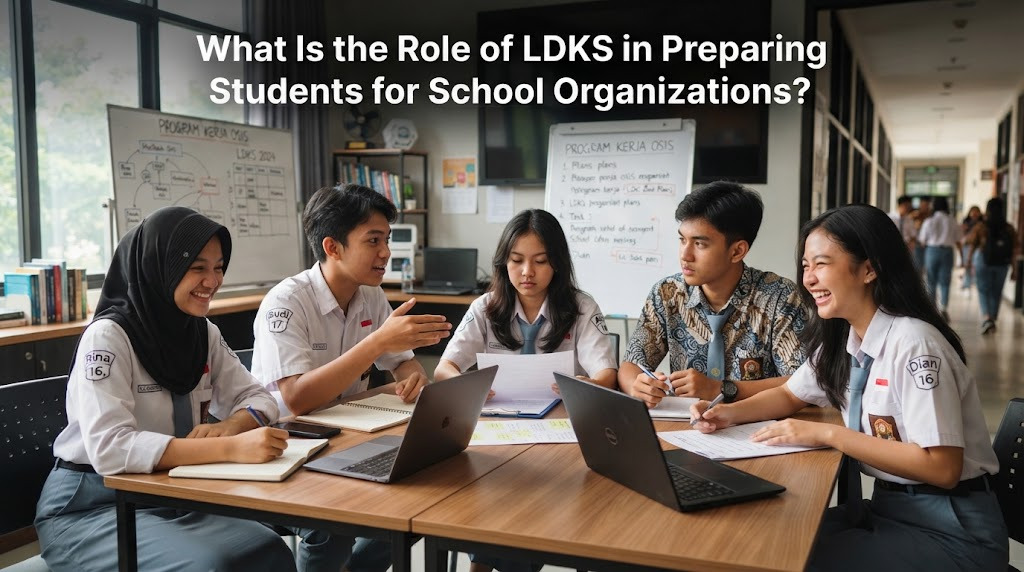
LDKS, or Student Leadership Training, is a school program that helps students develop skills needed for leadership and organizational activities. School organizations require students to communicate, cooperate, manage responsibilities, and participate actively. LDKS gives students opportunities to practice these abilities through structured individual and group activities. As a result, students can become more prepared to take part in school organizations and contribute to their teams.
WHAT IS LDKS AND WHY IS IT IMPORTANT FOR SCHOOL ORGANIZATIONS?
LDKS is a training activity that introduces students to basic leadership and organizational skills. Students may participate in discussions, teamwork exercises, problem-solving activities, and leadership tasks. These activities allow them to experience situations that are similar to those they may encounter in school organizations. The experience can help students understand how organizations work and why cooperation is important.
School organizations depend on members who are willing to communicate and complete their responsibilities. LDKS can introduce students to these expectations before they become active members of an organization. Students can learn how to follow instructions while also contributing their own ideas. This combination of participation and responsibility can support their readiness for organizational activities.
HOW DOES LDKS DEVELOP LEADERSHIP SKILLS?
One of the main roles of LDKS is developing student leadership skills. Students may be given opportunities to coordinate activities, lead discussions, make decisions, or organize group tasks. These experiences can help them understand that leadership involves more than giving instructions. It also requires listening, supporting team members, and taking responsibility for decisions.
Leadership practice can be useful when students join organizations such as student councils, extracurricular groups, or other school communities. They may need to coordinate programs, communicate with members, and solve unexpected problems. LDKS gives students an opportunity to practice these skills in a learning environment. This can help them approach organizational responsibilities with greater preparation.
HOW DOES LDKS IMPROVE COMMUNICATION IN ORGANIZATIONS?
Good communication is essential for school organizations because members need to exchange information and coordinate activities. LDKS provides opportunities for students to practice communication skills through presentations, discussions, group assignments, and leadership exercises. Students can learn how to explain ideas clearly and listen carefully to other people. These habits can help reduce misunderstandings within an organization.
Students also learn that communication should be respectful, especially when opinions are different. During group activities, they can practice asking questions, giving suggestions, and responding to feedback. These experiences can prepare them for meetings and organizational discussions. Strong organizational communication can make teamwork more organized and productive.
HOW DOES LDKS TEACH RESPONSIBILITY AND DISCIPLINE?
School organizations require members to complete tasks and follow agreed schedules. LDKS can prepare students for these responsibilities by giving them specific assignments and deadlines. Students learn that completing their duties can affect the progress of the entire group. This helps develop responsibility and discipline before they take on larger organizational roles.
Time management is also an important part of organizational work. Students may need to balance organizational activities with their academic responsibilities. Through LDKS, they can learn to follow schedules, prioritize tasks, and remain committed to their duties. These habits can help students manage their roles more effectively when participating in school organizations.
HOW DOES LDKS DEVELOP TEAMWORK AND PROBLEM-SOLVING?
Many school organizations involve teamwork because programs and events are usually managed by several members. LDKS allows students to practice teamwork skills through group challenges and collaborative tasks. They learn how to divide responsibilities, share ideas, and support other members. These experiences can help them understand how individual contributions affect group performance.
Problem-solving is also important when organizational activities do not go according to plan. LDKS may give students challenges that require them to identify problems and discuss possible solutions. Working together teaches students to remain calm and consider different ideas before making a decision. These problem-solving skills can be useful when handling practical challenges in school organizations.
HOW CAN LDKS PREPARE STUDENTS FOR ORGANIZATIONAL RESPONSIBILITIES?
LDKS can give students a clearer understanding of what it means to become an active member of an organization. Students can practice following procedures, completing assignments, communicating with teammates, and taking initiative. They may also learn how to accept feedback and improve their performance. These experiences can build organizational readiness before students take on actual responsibilities.
LDKS can also encourage students to recognize their strengths and areas for improvement. A student may discover that they are good at coordinating tasks, speaking publicly, organizing information, or supporting team members. Understanding these abilities can help students choose roles that match their interests and skills. In this way, LDKS can support student participation in school organizations.
CONCLUSION
LDKS plays an important role in preparing students for school organizations by developing leadership, communication, teamwork, responsibility, discipline, and problem-solving skills. Through practical activities, students can experience situations that require cooperation and active participation. These experiences can help them understand the responsibilities involved in organizational work.
The skills developed through LDKS can be applied when students join student councils, extracurricular groups, committees, and other school organizations. By practicing leadership and teamwork early, students can become more prepared to contribute to group activities. Organizational experience can also help them develop useful skills for their education and future professional life.
Tentang Penulis
Gusti Ayu Tita P
Penulis — Universitas STEKOM
Penulis aktif yang berfokus pada isu-isu akademik, teknologi pendidikan, dan pengembangan sumber daya manusia di lingkungan kampus.