What Is the Role of the Education Office in Supporting Inclusive Education?
Gusti Ayu Tita P
15 September 2026
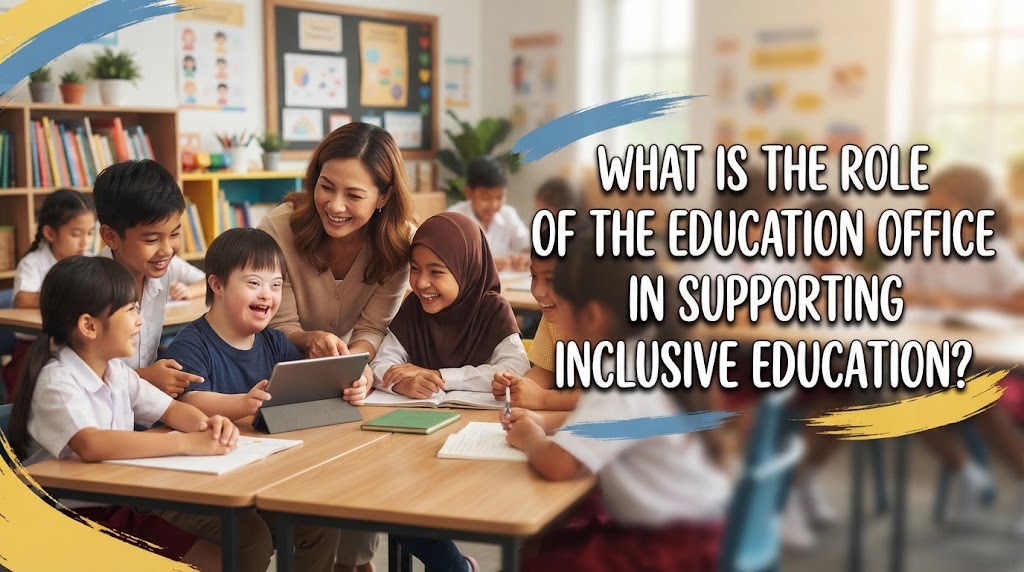
Inclusive education aims to provide every student with equal opportunities to receive quality education. Students have different abilities, backgrounds, learning needs, and personal conditions. The Education Office has an important role in supporting schools so they can create learning environments that are accessible and welcoming to all students. This support can involve policies, teacher development, facilities, and educational services. Strong cooperation between the Education Office, schools, teachers, parents, and communities can help create more inclusive education.
DEVELOPING INCLUSIVE EDUCATION POLICIES
The Education Office can support inclusive education by developing policies that encourage equal access to learning. These policies can provide guidance for schools in serving students with different educational needs. Clear policies help schools understand their responsibilities and available support. They can also encourage schools to prevent discrimination and create respectful learning environments. Inclusive Policies provide an important foundation for implementing inclusive education.
Policies should be communicated clearly to schools, teachers, parents, and other education stakeholders. The Education Office can also monitor how schools implement these policies in daily activities. Evaluation can help identify problems that prevent students from receiving appropriate educational support. Policy improvements can then be made according to actual conditions and educational needs. Consistent policy implementation helps create fairer education opportunities.
IMPROVING TEACHER COMPETENCIES
Teachers need appropriate knowledge and skills to support students with different learning needs. The Education Office can organize training and professional development programs related to inclusive teaching strategies. Teachers can learn how to identify student needs and adjust learning activities accordingly. Training can also improve teachers' communication and classroom management skills. Teacher Competency is essential for creating effective and supportive inclusive classrooms.
Professional development should be provided continuously rather than as a one-time activity. Teachers can share experiences and effective strategies with colleagues through workshops or professional communities. The Education Office can also provide educational resources that support inclusive learning. Evaluation can help determine whether training has improved classroom practices. Well-prepared teachers can provide more flexible and meaningful learning experiences for diverse students.
PROVIDING ACCESSIBLE FACILITIES
Accessible facilities are important for creating an inclusive school environment. The Education Office can support schools in improving facilities according to the needs of their students. These facilities may include accessible pathways, appropriate classroom arrangements, learning resources, and supporting technology. Schools should consider accessibility when planning improvements to their physical and learning environments. Accessible Facilities can help students participate more comfortably in school activities.
Facility development should consider the different needs of students. Schools can identify accessibility barriers and communicate their needs to the Education Office. Appropriate planning can help ensure that available resources are used effectively. Regular evaluation is also useful for identifying facilities that need improvement or maintenance. Equal access to suitable facilities can support greater participation in education.
STRENGTHENING STUDENT SUPPORT SERVICES
Inclusive education requires more than physical access to schools. Students may need academic, social, emotional, or learning support depending on their individual conditions. The Education Office can encourage schools to develop appropriate support services for students. Cooperation with teachers, counselors, parents, and relevant professionals can strengthen these services. Student Support helps students participate and develop according to their abilities.
Schools should identify student needs carefully and provide suitable assistance. Support programs can include individual guidance, adapted learning materials, additional learning opportunities, or counseling. The Education Office can help schools develop procedures for providing these services. Regular monitoring can ensure that support remains appropriate as student needs change. Responsive support services can create a more comfortable and equitable learning environment.
BUILDING COMMUNITY COLLABORATION
Inclusive education requires cooperation between many parties. The Education Office can involve schools, parents, communities, and other organizations in supporting inclusive education. Parents can provide important information about their children's needs and development. Communities can also help create positive attitudes toward students with different abilities and backgrounds. Community Collaboration strengthens the implementation of inclusive education.
Communication between education stakeholders should be open and continuous. The Education Office can organize socialization programs, discussions, workshops, or community activities to increase awareness of inclusive education. Schools can use these activities to share experiences and identify common challenges. Strong collaboration can also help schools find additional resources and support. A supportive community can help create a more respectful and inclusive education environment.
CONCLUSION
The Education Office plays an important role in supporting inclusive education through inclusive policies, teacher development, accessible facilities, student support services, and community collaboration. These efforts can help schools provide equal opportunities for students with diverse needs. Inclusive education requires continuous evaluation and cooperation among education stakeholders. Schools, teachers, parents, and communities all have important responsibilities in creating an inclusive environment. With coordinated support, education can become more accessible, fair, and meaningful for every student.
Tentang Penulis
Gusti Ayu Tita P
Penulis — Universitas STEKOM
Penulis aktif yang berfokus pada isu-isu akademik, teknologi pendidikan, dan pengembangan sumber daya manusia di lingkungan kampus.