What Makes a Learning Management System Easy to Use?
Gusti Ayu Tita P
29 Juli 2026
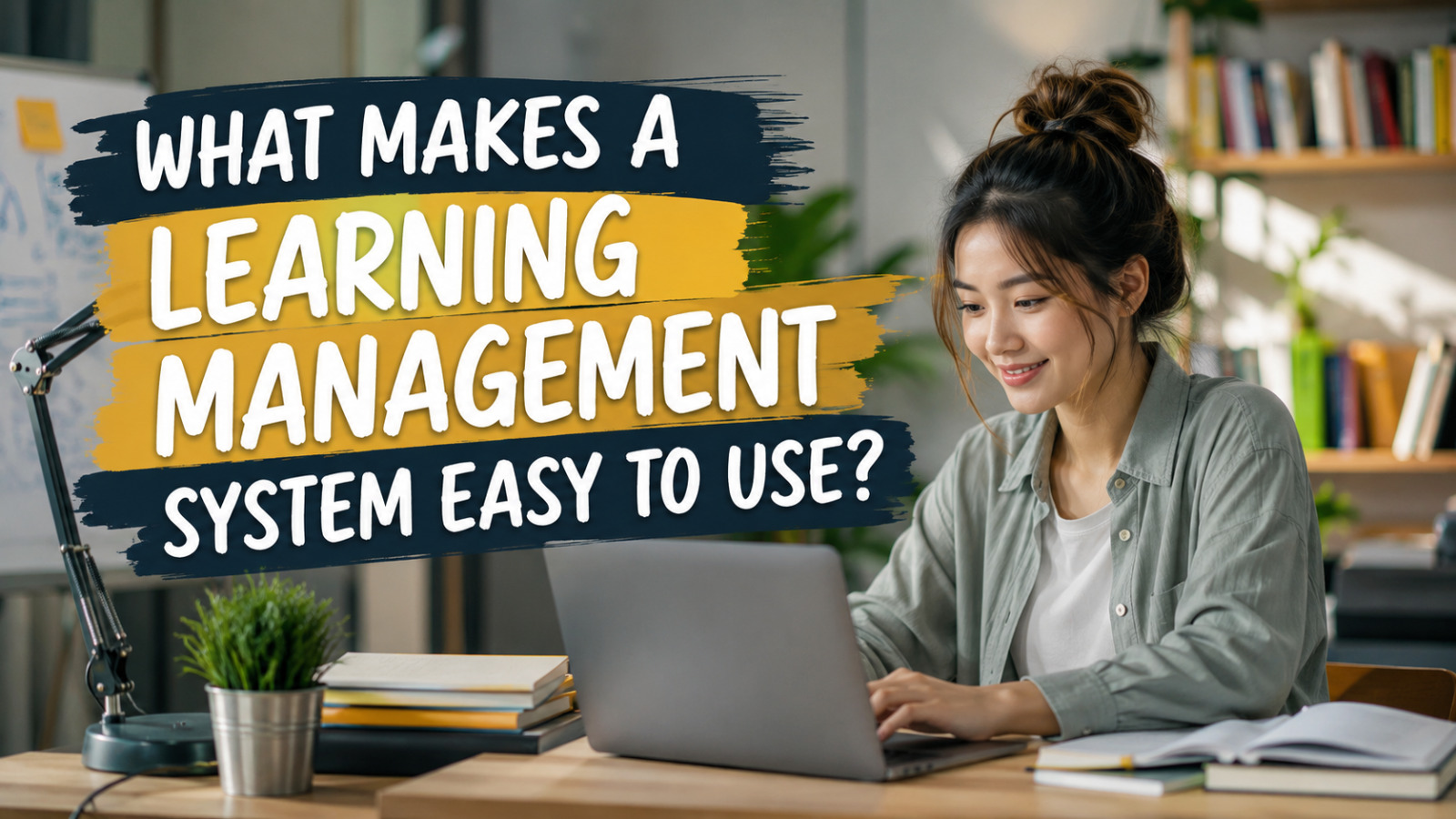
A Learning Management System (LMS) should simplify online learning instead of making it more complicated. Whether it is used by businesses, schools, or training organizations, an LMS with an intuitive design helps learners and administrators complete tasks quickly and efficiently. A user-friendly platform reduces the learning curve, improves engagement, and encourages consistent usage. Organizations that invest in an easy-to-use LMS often experience better training outcomes and higher user satisfaction. This article explains the essential features that make a Learning Management System easy to use and why usability matters.
WHY USER-FRIENDLY DESIGN MATTERS
A user-friendly LMS enables learners to navigate courses without confusion. When users can easily find lessons, assignments, and progress reports, they spend more time learning instead of figuring out how the platform works. A clean interface also reduces frustration, especially for first-time users who may not be familiar with digital learning tools.
For administrators and instructors, an intuitive system saves valuable time. Managing users, uploading learning materials, tracking performance, and generating reports become much easier when the platform has a logical layout. As a result, organizations can focus more on delivering quality education rather than solving technical problems.
SIMPLE AND INTUITIVE NAVIGATION
One of the most important characteristics of an effective LMS is easy navigation. Menus should be organized logically, with clearly labeled sections that help users reach their destination quickly. A consistent layout across different pages also creates a smoother learning experience.
Navigation should require as few clicks as possible. Learners should be able to access courses, quizzes, certificates, and announcements directly from the dashboard. When users can move through the platform naturally, they remain engaged and productive throughout the learning process.
CLEAN AND MODERN USER INTERFACE
A clean interface improves readability and minimizes distractions. The best LMS platforms avoid clutter by displaying only the most relevant information on each page. Proper spacing, readable fonts, and balanced colors create a professional appearance that is comfortable to use.
Modern design also enhances accessibility. Buttons should be large enough to click easily, icons should clearly represent their functions, and text should remain readable on both desktop and mobile devices. These small design choices significantly improve the overall user experience.
MOBILE-FRIENDLY EXPERIENCE
Today's learners expect the flexibility to study from anywhere. A mobile-friendly LMS allows users to access training materials using smartphones, tablets, or laptops without losing functionality. Responsive design ensures that pages automatically adjust to different screen sizes.
Mobile compatibility is especially valuable for employees who travel frequently or work remotely. They can continue learning during breaks, while commuting, or between meetings. This flexibility increases course completion rates and supports continuous professional development.
FAST PERFORMANCE AND RELIABLE ACCESS
No matter how attractive an LMS looks, slow loading times can quickly frustrate users. A reliable platform should load pages quickly, even when multiple users are connected simultaneously. Fast performance keeps learners focused and prevents interruptions during lessons or assessments.
System reliability is equally important. Frequent downtime can delay training schedules and reduce confidence in the platform. Organizations should choose an LMS with stable infrastructure, regular maintenance, and dependable uptime to ensure uninterrupted learning.
EASY COURSE MANAGEMENT
An LMS should simplify course creation for instructors. Features like drag-and-drop uploads, reusable templates, and straightforward editing tools allow educators to build engaging learning materials without advanced technical knowledge. This reduces preparation time while improving course quality.
Administrators should also be able to organize users, assign courses, schedule training sessions, and monitor progress with minimal effort. Efficient management tools help organizations scale their learning programs without increasing administrative complexity.
PERSONALIZED LEARNING EXPERIENCE
Modern LMS platforms often provide personalized learning paths based on user roles, skills, or learning objectives. Personalized recommendations keep learners engaged by presenting relevant content that matches their needs and experience levels.
Progress tracking also motivates users. Dashboards displaying completed lessons, upcoming tasks, and achievement badges encourage learners to stay committed to their training goals. Personalized experiences contribute to higher satisfaction and improved learning outcomes.
INTEGRATION WITH OTHER BUSINESS TOOLS
A user-friendly LMS should integrate smoothly with existing software such as HR systems, communication platforms, video conferencing applications, and cloud storage services. These integrations reduce duplicate work and improve workflow efficiency.
For example, employee information can automatically sync from an HR system, while virtual classroom sessions can connect directly with video meeting platforms. Seamless integration creates a unified digital learning environment that benefits both administrators and learners.
STRONG SEARCH AND HELP FEATURES
Users should never struggle to locate learning materials. A powerful search function allows learners to find courses, documents, or announcements within seconds. Filters and categorized content make information even easier to discover.
Comprehensive support resources further improve usability. FAQs, knowledge bases, tutorials, and responsive customer support help users resolve issues quickly. When assistance is readily available, learners remain confident and productive.
CONCLUSION
A Learning Management System becomes truly effective when it is easy to use for everyone involved. Simple navigation, modern design, mobile accessibility, fast performance, personalized learning, and efficient management tools all contribute to a positive learning experience. Organizations that prioritize usability often achieve higher learner engagement, better knowledge retention, and greater return on investment. Choosing an LMS with these essential features ensures that technology supports learning instead of becoming an obstacle.
Tentang Penulis
Gusti Ayu Tita P
Penulis — Universitas STEKOM
Penulis aktif yang berfokus pada isu-isu akademik, teknologi pendidikan, dan pengembangan sumber daya manusia di lingkungan kampus.