What Should You Check Before Buying an Apartment?
Gusti Ayu Tita P
5 September 2026
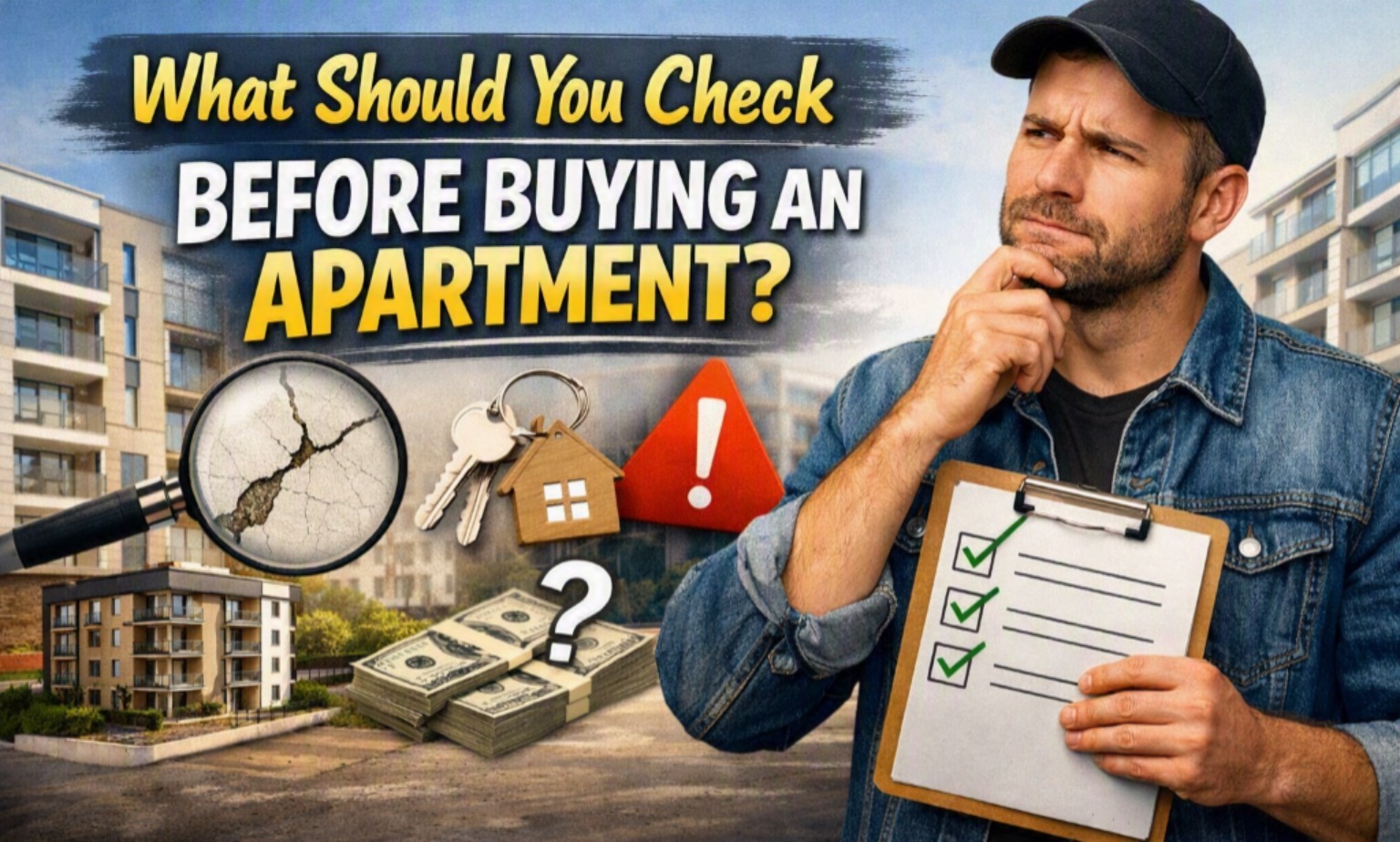
Buying an apartment is a major financial decision that requires careful planning and research. A property may look attractive during a viewing, but its legal status, location, building condition, and total costs can greatly affect its value and comfort in the future. Before signing any agreement, buyers should check important details instead of relying only on the appearance or promotional information. A thorough inspection can help identify potential problems and reduce the risk of unexpected expenses. Understanding what to check before buying an apartment will also help you make a more confident and informed decision.
CHECK THE APARTMENT LOCATION
The location is one of the most important factors to consider before buying an apartment. Check whether the property is close to workplaces, schools, hospitals, shopping areas, public transportation, and other essential facilities. You should also consider traffic conditions, road access, parking availability, noise levels, and the overall safety of the surrounding area. A convenient location can make daily life easier and may help maintain the property's resale or rental appeal. Visit the area at different times of the day if possible because conditions can change between morning, afternoon, and evening.
It is also important to understand the area's future development plans. New roads, commercial buildings, transportation projects, or large construction projects may affect convenience, noise, and property value. On the other hand, planned infrastructure improvements can potentially increase the attractiveness of the area. Do not judge the location only by what you see during one short visit. Researching the neighborhood carefully can help you understand both its current condition and possible future changes.
VERIFY THE LEGAL STATUS AND OWNERSHIP
Before purchasing an apartment, make sure the property ownership and legal documents are clear and valid. Buyers should verify who legally owns the unit and whether the seller has the right to transfer ownership. The apartment should also have the required permits and documents according to the laws and regulations that apply in the location. Any differences between the information in the documents and the actual property should be investigated before proceeding. Because property laws vary between countries and jurisdictions, professional legal advice can be valuable when reviewing these documents.
You should also check whether the property has outstanding disputes, unpaid obligations, restrictions, or other legal issues that could affect the transaction. Ask for copies of relevant documents and compare important details such as the unit number, size, ownership information, and building information. Avoid making a large payment before the legal status has been properly verified. If the transaction involves a developer, confirm the developer's identity and track record as well. Clear documentation is essential because legal problems can be much more difficult and expensive to resolve after the purchase.
INSPECT THE BUILDING AND APARTMENT CONDITION
A property viewing should involve more than checking whether the apartment looks clean and attractive. Inspect the walls, floors, ceilings, doors, windows, plumbing, electrical systems, ventilation, and air-conditioning systems where applicable. Look for signs of water leaks, dampness, cracks, mold, damaged fixtures, or poor maintenance. You should also check whether natural light and ventilation are suitable for your needs. If possible, bring a qualified inspector or experienced professional to identify problems that may not be visible to an ordinary buyer.
The condition of the entire building also matters because buyers share many facilities and structural elements with other residents. Check the condition of elevators, hallways, parking areas, emergency exits, security systems, and common facilities. Ask how often major systems are inspected and maintained. Older buildings may require more frequent repairs, while newer buildings should still be evaluated rather than assumed to be problem-free. A detailed inspection can help you estimate future maintenance needs and avoid unexpected repair costs.
CALCULATE ALL PURCHASE AND OWNERSHIP COSTS
The purchase price is not the only expense you need to consider. Buyers may also need to budget for taxes, legal or administrative fees, registration costs, insurance, moving expenses, and other transaction-related charges, depending on the location and type of purchase. After buying the apartment, there may be regular service charges or management fees for shared facilities and building maintenance. Utilities and private maintenance costs should also be included in your financial planning. Understanding the full cost will give you a more realistic picture of whether the apartment fits your budget.
Ask the seller, developer, or building management for a clear explanation of recurring charges. Find out what is included in the monthly maintenance or service fee and whether the fee can increase in the future. You should also ask whether the building has planned major repairs that could result in additional charges to owners. If you are financing the purchase, calculate the monthly loan payment together with taxes, fees, insurance, and regular living expenses. A property that seems affordable at first may become expensive when all ongoing costs are included.
REVIEW THE BUILDING RULES AND MANAGEMENT
Every apartment building may have rules that affect how owners and residents can use their units. Before buying, review regulations concerning pets, renovations, noise, parking, short-term rentals, visitors, and the use of common facilities. These rules can be particularly important if you plan to rent out the apartment or make significant changes to the interior. Ask for the building's regulations and management policies before completing the purchase. Do not assume that activities allowed in one apartment building will automatically be allowed in another.
You should also evaluate the quality and financial condition of the building management or homeowners' association, depending on the local system. Ask about maintenance schedules, security arrangements, common-area repairs, and how complaints are handled. If available, review information about building budgets, reserve funds, or planned major projects. Poor management can lead to neglected facilities, rising fees, or disagreements among residents. Good building management can contribute significantly to long-term comfort and property value.
CHECK THE APARTMENT'S LONG TERM VALUE
A good apartment should not only meet your current needs but also make sense as a long-term investment. Consider factors such as location, building quality, surrounding development, demand, and potential resale or rental appeal. Research comparable apartments in the same area to understand whether the asking price appears reasonable. If you are buying for investment purposes, compare potential rental income with loan payments, taxes, maintenance fees, vacancies, and other expenses. This helps you evaluate the property's actual financial potential rather than focusing only on its advertised price.
You should also think about whether the apartment will remain suitable for your lifestyle. Consider the unit's size, layout, storage space, parking, access to facilities, and the possibility of future family or work changes. A property that works well today may become less practical if your needs change. Take your time and avoid making a decision simply because you are pressured by a seller or limited-time promotion. Careful research and realistic financial planning can help you choose an apartment that remains useful and valuable for years to come.
CONCLUSION
Before signing a purchase agreement, review every important term carefully and make sure the information matches what was previously discussed. Pay attention to the purchase price, payment schedule, included fixtures, completion date, responsibilities of each party, penalties, and cancellation conditions. Make sure any promises made by the seller or developer are included in appropriate written documents rather than relying only on verbal statements. If something is unclear, ask for an explanation before signing. For a significant purchase, having a qualified legal professional review the agreement can provide additional protection.
Finally, keep copies of the contracts, receipts, inspection reports, property documents, and other important records. Do not transfer money through unusual or unverified payment arrangements, and confirm the identity and authority of the parties involved in the transaction. If you discover a major problem, consider delaying the purchase until the issue has been properly resolved. There is no need to rush a property purchase that could affect your finances for many years. By completing these checks systematically, you can reduce unnecessary risks and make a more informed apartment buying decision.
Tentang Penulis
Gusti Ayu Tita P
Penulis — Universitas STEKOM
Penulis aktif yang berfokus pada isu-isu akademik, teknologi pendidikan, dan pengembangan sumber daya manusia di lingkungan kampus.