What Should You Prepare Before Choosing a Hiking Trail?
Gusti Ayu Tita P
1 September 2026
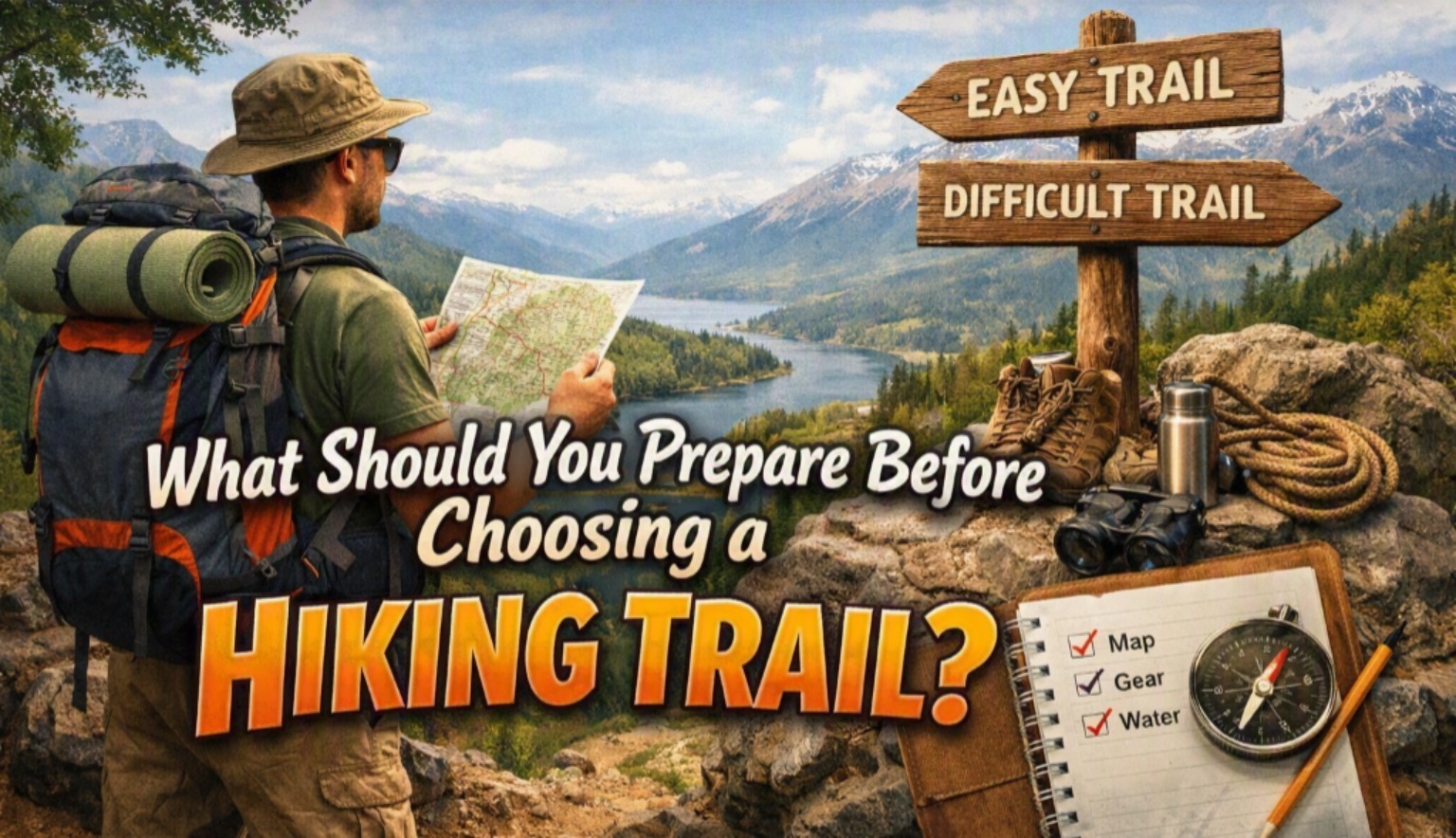
Choosing the right hiking trail is an important step, especially for beginners. A trail that looks beautiful in photos may have a difficult route, steep climbs, or unpredictable weather conditions. Before deciding where to hike, you should understand your fitness level, hiking experience, trail conditions, weather, equipment, and available time. Proper preparation can make your hiking experience safer, more comfortable, and more enjoyable.
CHECK YOUR FITNESS AND HIKING EXPERIENCE
Before choosing a hiking trail, consider your physical condition and previous hiking experience. Beginners should generally start with trails that have a manageable distance, moderate elevation gain, and clearly marked paths. If you rarely exercise, choosing a long or steep trail can make the hike unnecessarily exhausting. Your ability to walk for several hours should also be considered because hiking can require continuous physical effort.
Your previous experience also affects which trails are suitable for you. An experienced hiker may be comfortable with steep terrain, rocky sections, or longer routes, while a beginner may need a simpler trail. Do not choose a trail only because it is popular or looks attractive on social media. Select a route that matches your actual ability rather than your expectations.
RESEARCH THE TRAIL CONDITIONS
Gather as much information as possible about the trail conditions before making your choice. Check the total distance, estimated hiking time, elevation gain, terrain type, steep sections, water sources, and possible hazards. Information from official park authorities, trail managers, or reliable hiking communities can help you understand what to expect. Recent information is especially valuable because trail conditions can change after heavy rain, landslides, fires, or maintenance activities.
You should also find out whether the trail is open, restricted, or temporarily closed. Some hiking areas require registration, permits, entrance fees, or specific safety procedures. Knowing these requirements in advance prevents problems when you arrive at the trailhead. If possible, check recent reports from hikers to identify changes that may not appear in older guides.
CHECK THE WEATHER AND SEASON
Weather conditions can strongly affect hiking safety and trail difficulty. Rain can make soil slippery, increase the risk of falling rocks or landslides, and cause streams to rise. Strong winds, extreme heat, fog, or thunderstorms can also make certain trails more dangerous. Therefore, check the weather forecast for the hiking area rather than relying only on the weather in your home location.
The season should also influence your decision. A trail that is comfortable during dry conditions may become significantly more difficult during the rainy season. If severe weather is forecast, consider postponing the hike or choosing a safer alternative. Weather information should be checked again shortly before departure because mountain conditions can change quickly.
CONSIDER DISTANCE AND ELEVATION GAIN
Do not judge a trail only by its total distance. A short route with significant elevation gain can be more physically demanding than a longer trail with gentle terrain. Look at both the distance and the amount of climbing involved when comparing different hiking routes. Beginners should avoid underestimating a trail simply because its distance appears short.
You should also consider the estimated hiking time and your available daylight. Allow extra time for breaks, meals, navigation, photography, and unexpected delays. Starting too late can increase the risk of hiking in darkness, particularly on unfamiliar trails. Choose a route that gives you enough time to complete the hike without rushing.
PREPARE THE RIGHT EQUIPMENT
Once you understand the trail, prepare hiking equipment according to its characteristics. Essential items may include suitable footwear, adequate drinking water, food, navigation tools, weather-appropriate clothing, a first aid kit, a flashlight or headlamp, and a fully charged phone. More demanding trails may require additional equipment depending on the terrain and conditions. Avoid carrying unnecessary items because an excessively heavy backpack can increase fatigue.
Your clothing should also be suitable for the weather and terrain. Comfortable, moisture-managing clothing can help during warm conditions, while extra layers may be necessary in colder environments. Good footwear with appropriate traction is particularly important on uneven, muddy, or rocky trails. Always prepare basic emergency supplies even when you expect the hike to be short.
PLAN YOUR TIME AND EMERGENCY OPTIONS
Good hiking preparation includes creating a realistic schedule. Determine when you plan to start, when you expect to reach important points, and when you should turn back if progress is slower than expected. Tell a trusted person about your route and expected return time when possible. This information can become important if an emergency occurs and you cannot contact others.
You should also know your emergency options before starting. Identify nearby shelters, ranger stations, exits, communication points, or alternative routes if they are available. Save important contact information and consider carrying a physical map when hiking in areas with unreliable phone signals. Having a backup plan helps you respond more calmly if weather, injuries, navigation problems, or other unexpected situations occur.
CONCLUSION
The most important principle is to choose a trail based on your current ability, not someone else's achievement. Consider your fitness, experience, equipment, weather conditions, time, and confidence when making the decision. A suitable trail should provide a reasonable challenge without creating unnecessary risks. If you are unsure, start with an easier route and gradually increase the difficulty as your skills improve.
Good preparation allows you to enjoy the scenery while maintaining hiking safety. Researching the trail, checking the weather, preparing suitable equipment, and planning an emergency strategy can significantly improve your experience. Remember that turning back is a responsible decision when conditions become unsafe. A successful hike is not only about reaching the summit but also about returning safely.
Tentang Penulis
Gusti Ayu Tita P
Penulis — Universitas STEKOM
Penulis aktif yang berfokus pada isu-isu akademik, teknologi pendidikan, dan pengembangan sumber daya manusia di lingkungan kampus.