What Skills Should a Competent Employee Have?
Gusti Ayu Tita P
17 Oktober 2026
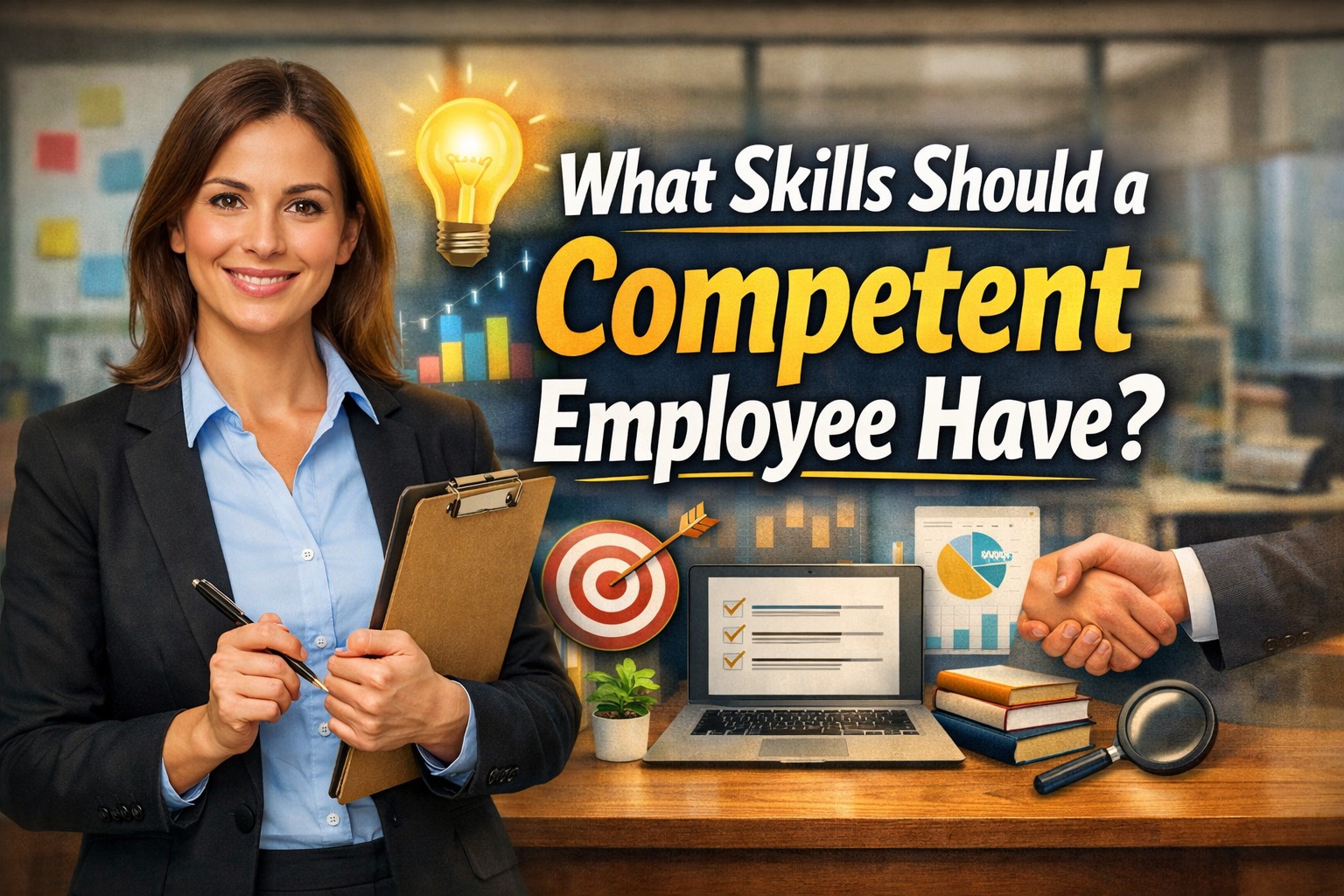
A competent employee is more than someone who completes assigned tasks. Modern workplaces value individuals who can adapt to change, collaborate effectively, solve problems, and continue learning throughout their careers. Technical expertise remains important, but employers increasingly seek candidates with a combination of hard skills and soft skills that support long-term organizational success.
Developing the right skills not only improves job performance but also creates more opportunities for career growth. Employees who consistently demonstrate professionalism, reliability, and a willingness to improve often become valuable assets within their organizations. Understanding these essential competencies can help professionals prepare for future workplace challenges and remain competitive in an evolving job market.
TECHNICAL KNOWLEDGE AND JOB EXPERTISE
Every competent employee should possess strong technical knowledge related to their role. This includes understanding industry standards, operating relevant tools or software, and applying professional knowledge accurately in daily tasks. Technical competence enables employees to work efficiently while minimizing mistakes and maintaining quality.
However, technical expertise should not remain static. Industries continue to evolve through technological innovation, requiring employees to update their knowledge regularly. Participating in training programs, earning certifications, and learning new technologies demonstrate a commitment to continuous professional development.
EFFECTIVE COMMUNICATION SKILLS
Communication skills are among the most valuable qualities in any workplace. Employees must express ideas clearly, listen carefully, and provide information accurately to colleagues, supervisors, and clients. Good communication reduces misunderstandings and helps teams accomplish their objectives more efficiently.
Communication also involves adapting messages to different audiences. Whether writing professional emails, delivering presentations, or participating in meetings, competent employees know how to communicate respectfully and confidently. Strong interpersonal communication builds trust and strengthens workplace relationships.
PROBLEM SOLVING AND CRITICAL THINKING
Workplace challenges are inevitable, making problem-solving abilities highly valuable. Competent employees analyze situations carefully, identify root causes, and develop practical solutions rather than reacting emotionally. This approach helps organizations overcome obstacles while maintaining productivity.
Critical thinking also supports better decision-making. Instead of accepting information without evaluation, skilled employees consider evidence, assess possible outcomes, and choose the most effective course of action. These abilities improve both individual and team performance.
ADAPTABILITY AND CONTINUOUS LEARNING
Today's work environment changes rapidly due to new technologies, market trends, and organizational needs. Competent employees demonstrate adaptability by accepting change positively and adjusting their work methods when necessary. Being flexible allows individuals to remain productive during transitions.
A commitment to lifelong learning further strengthens professional competence. Employees who actively seek new knowledge, develop additional skills, and embrace innovation remain relevant in competitive industries. Continuous learning also prepares individuals for leadership opportunities and career advancement.
TEAMWORK AND COLLABORATION
Few jobs can be completed successfully without collaboration. Competent employees understand the importance of teamwork, respect diverse perspectives, and contribute positively toward shared goals. They recognize that organizational success depends on effective cooperation rather than individual achievement alone.
Successful collaboration requires empathy, active listening, and mutual respect. Employees who support colleagues, share knowledge, and resolve conflicts professionally help create a productive and positive work environment. Strong teamwork often leads to improved creativity and better organizational results.
TIME MANAGEMENT AND RESPONSIBILITY
Managing time effectively is essential for meeting deadlines and maintaining consistent productivity. Competent employees prioritize tasks, organize their schedules, and avoid unnecessary distractions. Good time management allows them to complete assignments without sacrificing quality.
Responsibility is equally important. Reliable employees fulfill commitments, take ownership of their work, and remain accountable for both successes and mistakes. Organizations value professionals who consistently demonstrate integrity, dependability, and strong work ethics.
EMOTIONAL INTELLIGENCE AND PROFESSIONALISM
Emotional intelligence enables employees to understand and manage their own emotions while responding appropriately to others. This skill improves communication, conflict resolution, and teamwork. Employees with high emotional intelligence often build stronger professional relationships and contribute to a healthier workplace culture.
Professionalism includes maintaining a positive attitude, respecting company policies, behaving ethically, and treating everyone fairly. Competent employees consistently demonstrate respect, courtesy, and self-discipline in every professional interaction. These qualities help establish credibility and earn the trust of both colleagues and employers.
CONCLUSION
A competent employee combines technical expertise, communication skills, critical thinking, adaptability, teamwork, and professional responsibility to perform effectively in today's workplace. While technical knowledge provides the foundation for completing job-specific tasks, soft skills enable employees to collaborate, solve problems, and adapt to changing business environments.
Developing these competencies requires continuous practice, learning, and self-improvement. Employees who invest in both professional knowledge and personal development are more likely to achieve long-term career success while making meaningful contributions to their organizations.
Tentang Penulis
Gusti Ayu Tita P
Penulis — Universitas STEKOM
Penulis aktif yang berfokus pada isu-isu akademik, teknologi pendidikan, dan pengembangan sumber daya manusia di lingkungan kampus.