What Skills Should Students Have Before Entering the World of Work?
Gusti Ayu Tita P
3 September 2026
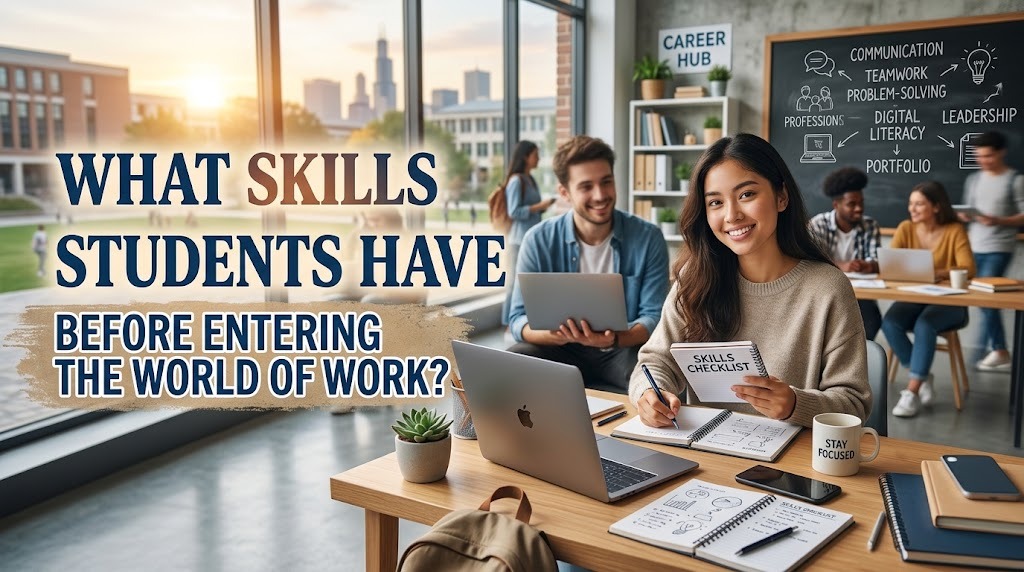
Entering the world of work is an important step for students after completing their education. Academic knowledge alone is not always enough to meet the demands of a professional environment. Employers also look for candidates who can communicate effectively, solve problems, work in teams, and adapt to changes. Students who develop these abilities early can become more confident when applying for jobs. Therefore, preparing essential workplace skills while still studying can provide an important advantage for the future.
COMMUNICATION SKILLS
Communication skills are among the most important abilities students should develop before entering the workplace. Employees need to communicate with colleagues, customers, supervisors, and other professionals in a clear and respectful way. Students can improve this skill through presentations, group discussions, organizational activities, and classroom projects. They should practice both speaking and listening because effective communication requires understanding other people's ideas as well as expressing their own.
Written communication is also important in professional environments. Students may need to write emails, reports, proposals, or other workplace documents. Learning to organize information clearly can help prevent misunderstandings. Strong communication skills can also make students more confident during interviews and professional meetings.
DIGITAL SKILLS
Modern workplaces rely heavily on technology, making digital skills increasingly important for students. Basic abilities such as using word processors, spreadsheets, presentation software, email, and online collaboration tools are useful in many professions. Students should also understand basic digital security practices, such as protecting passwords and recognizing suspicious links. Depending on their chosen career, they may need to develop additional technical skills related to specific software or digital platforms.
Students can develop digital abilities through online courses, school assignments, personal projects, and practical activities. Continuous learning is important because technology continues to change rapidly. Students who are comfortable learning new tools can adapt more easily when they encounter unfamiliar systems at work. Digital competence can therefore make graduates more prepared for modern professional environments.
PROBLEM SOLVING SKILLS
Workplaces often present unexpected situations that require employees to find practical solutions. Students should develop problem solving skills so they can analyze challenges rather than immediately give up when something goes wrong. They can practice by working on case studies, business projects, research assignments, and real-life problems. The process usually involves identifying the problem, considering possible solutions, evaluating the consequences, and choosing the most appropriate action.
Good problem solving also requires critical thinking. Students should learn how to evaluate information, identify reliable evidence, and consider different perspectives before making decisions. These abilities can help them avoid careless decisions and respond more effectively to workplace challenges. Employers can benefit from employees who are able to think independently and contribute useful solutions.
TEAMWORK SKILLS
Most professional environments require employees to work with other people. Teamwork skills help students cooperate, share responsibilities, respect different opinions, and work toward common objectives. Group assignments and student organizations are useful opportunities to practice these abilities. Students should learn how to contribute to a team while also accepting feedback from other members.
Teamwork also involves handling disagreements professionally. Not every team member will have the same ideas or working style. Students can learn to discuss differences calmly and focus on finding solutions rather than blaming others. These experiences can prepare them for collaborative projects and diverse workplaces.
TIME MANAGEMENT
Time management helps students complete responsibilities efficiently and avoid unnecessary stress. In the workplace, employees may have several tasks with different deadlines and levels of importance. Students can practice managing time by creating schedules, setting priorities, and breaking large assignments into smaller tasks. Developing these habits during school can make it easier to handle professional responsibilities later.
Students should also learn how to distinguish between urgent and important tasks. Completing everything at the last minute can reduce the quality of work and increase pressure. A consistent schedule allows students to balance studying, organizations, personal activities, and skill development. Good time management can demonstrate reliability and responsibility to potential employers.
ADAPTABILITY AND WILLINGNESS TO LEARN
The workplace can change because of new technology, business strategies, economic conditions, and customer needs. For this reason, students need adaptability and a willingness to learn new things. They should be comfortable facing unfamiliar situations and be willing to adjust their approach when necessary. Students can develop adaptability by trying new activities, learning different tools, and accepting constructive feedback.
A willingness to learn also supports long term career development. Students should not assume that their education ends when they graduate. Professional skills often need to be updated as industries evolve. People who continue learning can respond more effectively to new opportunities and challenges.
LEADERSHIP AND RESPONSIBILITY
Leadership is not limited to people who hold managerial positions. Students can develop leadership skills by taking responsibility for group projects, organizing activities, or helping others achieve shared goals. Good leadership involves communication, decision making, accountability, and the ability to motivate others. These experiences can help students become more confident in professional situations.
Responsibility is equally important because employers need people who can be trusted to complete their tasks. Students should learn to meet deadlines, keep their commitments, and admit mistakes when they occur. Taking responsibility for results demonstrates maturity and professionalism. Even small responsibilities at school can become valuable preparation for future employment.
PROFESSIONAL ATTITUDE
A professional attitude influences how students behave when interacting with others in the workplace. Important qualities include discipline, honesty, respect, reliability, and a positive attitude. Students can begin developing these qualities by arriving on time, completing assignments properly, respecting teachers and classmates, and following agreed rules. These simple habits can gradually become professional behaviors.
Students should also understand the importance of receiving feedback. Constructive criticism can help identify weaknesses and improve performance. Instead of seeing feedback as a personal attack, students can use it as an opportunity to grow. A strong professional attitude can make technical and academic skills more valuable in the workplace.
CONCLUSION
Before entering the world of work, students should prepare more than academic qualifications. Communication, digital skills, problem solving, teamwork, time management, adaptability, leadership, and professionalism are valuable abilities for many career paths. Students can develop these skills through classroom activities, organizations, internships, projects, courses, and everyday experiences. The earlier students begin practicing, the more prepared they can become for professional responsibilities. By continuously improving both technical and interpersonal abilities, students can enter the workplace with greater confidence and stronger career potential.
Tentang Penulis
Gusti Ayu Tita P
Penulis — Universitas STEKOM
Penulis aktif yang berfokus pada isu-isu akademik, teknologi pendidikan, dan pengembangan sumber daya manusia di lingkungan kampus.