What Traditional Souvenirs Are Still Popular in Indonesia?
Gusti Ayu Tita P
4 September 2026
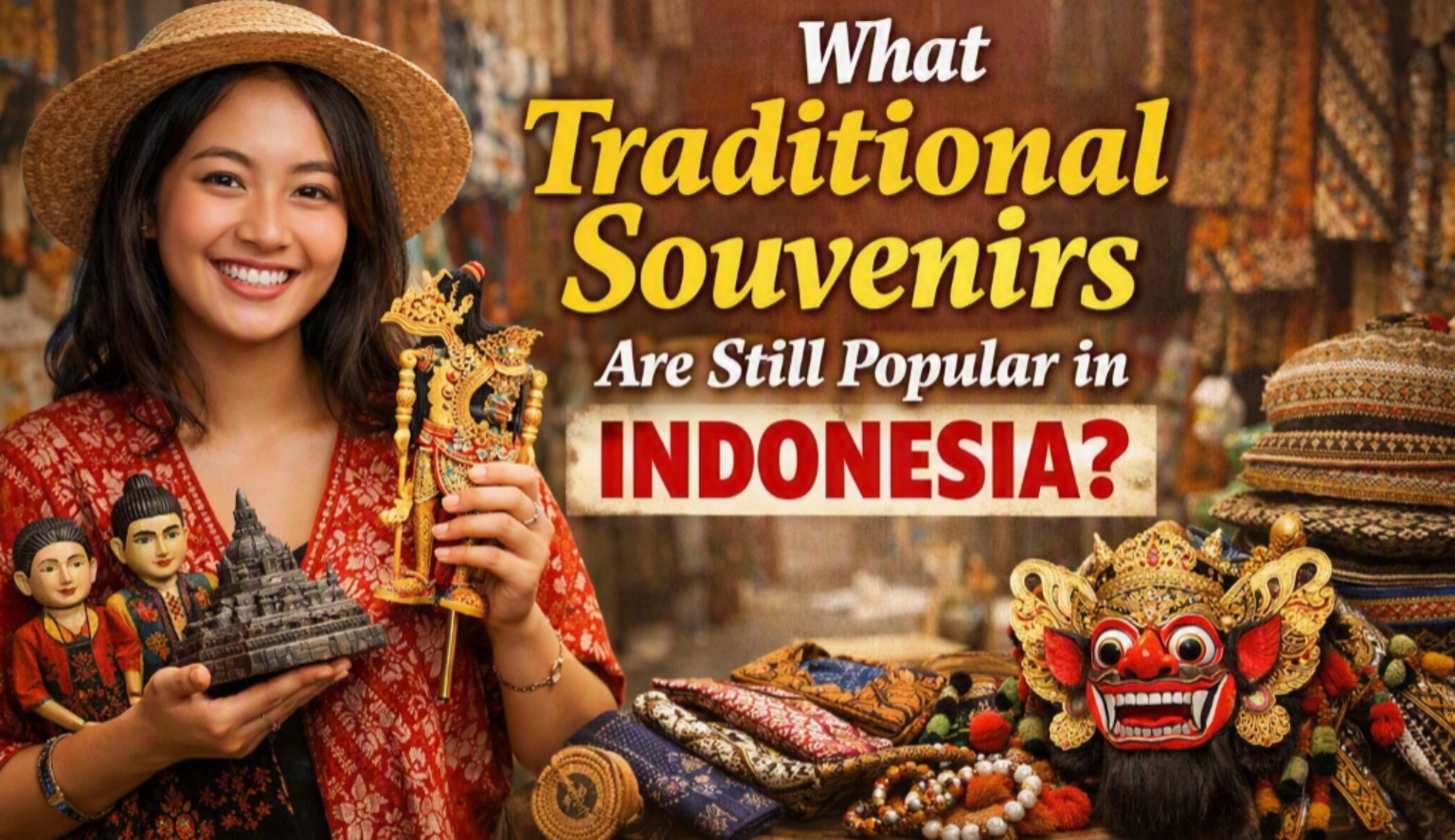
Indonesia is known for its rich cultural diversity, and this can be seen in the many traditional souvenirs available across the country. From handmade textiles and regional crafts to distinctive foods, these souvenirs reflect local traditions and everyday culture. Many travelers choose them because they are not only attractive but also carry a story about the place they visit. Some products have remained popular for generations because they combine cultural value, practical use, and unique designs. For visitors, choosing the right souvenir can be a meaningful way to remember a trip while also supporting local artisans and businesses.
BATIK REMAINS A TIMELESS TRADITIONAL SOUVENIR
Batik is one of the most recognizable Indonesian cultural products and remains a popular choice for travelers. It is traditionally made by applying wax to fabric before applying dyes, creating distinctive patterns and color combinations. Different regions have developed their own styles, motifs, and production techniques, making batik more than just a piece of clothing. Travelers can find batik in the form of shirts, scarves, bags, tablecloths, and other practical items. Because of its variety and cultural significance, batik continues to be one of the most sought-after Indonesian souvenirs.
Batik is also appealing because it can suit different budgets and preferences. Some products are made using traditional hand-drawn techniques, while others use stamped or modern production methods. Visitors who want a more authentic souvenir can look for handmade batik and ask about its place of origin and production process. Buying batik from local producers can also help preserve traditional skills that have been passed down through generations.
HANDWOVEN TEXTILES SHOW REGIONAL IDENTITY
Traditional textiles are another souvenir that remains popular throughout Indonesia. Various regions produce distinctive woven fabrics, including ikat and other forms of handwoven cloth. The patterns, colors, and techniques often represent local heritage and can differ significantly from one community to another. These textiles are commonly sold as decorative cloth, scarves, clothing materials, or finished accessories. Their detailed craftsmanship makes them attractive to travelers looking for souvenirs with strong cultural character.
Many woven textiles require considerable time and skill to produce, especially those made using traditional methods. Some designs contain cultural meanings connected to local customs, ceremonies, or community identity. Travelers should therefore consider asking sellers about the origin and meaning of a textile before purchasing it. Choosing locally produced fabrics can provide direct support for artisans while helping traditional weaving practices remain relevant.
WOODEN CRAFTS MAKE DISTINCTIVE CULTURAL GIFTS
Wooden crafts have long been associated with Indonesian craftsmanship and are still widely purchased as souvenirs. Artisans create many types of products, including decorative figures, carved objects, kitchenware, and small household ornaments. In several regions, wood carving has developed into an important traditional craft with recognizable local styles. The natural appearance of wood combined with detailed carving gives these products a distinctive character. Their relatively durable nature also makes them suitable for travelers who want a long-lasting keepsake.
Small wooden products are especially convenient because they are easier to pack than large decorative pieces. Travelers can choose items based on their size, function, and design while considering how the product was made. Local craftsmanship is an important part of the appeal, as each handmade item may have slight differences that make it feel more personal. Purchasing responsibly made crafts can also encourage the continuation of traditional skills and support small-scale artisans.
TRADITIONAL CERAMICS OFFER PRACTICAL SOUVENIR OPTIONS
Traditional ceramics are another popular choice for people who want souvenirs that can be used at home. Indonesian ceramic products may include cups, plates, bowls, vases, and decorative objects with locally inspired shapes or patterns. Some pottery-making communities have maintained techniques that have been practiced for many years. The combination of traditional craftsmanship and practical function makes ceramics useful as both souvenirs and household items. Their handmade appearance can also give them a character that mass-produced products often lack.
Because ceramics can be fragile, travelers should choose items that can be packed safely for transportation. Asking the seller about local pottery traditions can provide additional insight into the product's cultural background. Smaller cups, bowls, or decorative pieces are often more convenient than large objects. For travelers interested in meaningful and functional souvenirs, traditional ceramics can be an excellent alternative to ordinary tourist merchandise.
REGIONAL FOOD PRODUCTS ARE ALWAYS POPULAR
Food is among the most practical and widely enjoyed types of Indonesian souvenirs. Travelers often bring home products such as packaged snacks, traditional cookies, dried foods, coffee, tea, and regional specialties. Each destination may have its own popular food products based on local ingredients and culinary traditions. These souvenirs are especially appealing because they allow families and friends to experience a small part of the destination after the trip. Properly packaged products are also generally easier to carry than fragile handicrafts.
When purchasing food souvenirs, travelers should check the expiration date, packaging condition, storage instructions, and applicable travel restrictions. Products with clear labels and sealed packaging are usually more convenient for transportation and gifting. Traditional foods can also introduce recipients to regional flavors without requiring them to travel to the destination themselves. For this reason, local snacks and other packaged specialties continue to be a reliable souvenir choice.
TRADITIONAL ACCESSORIES COMBINE CULTURE AND STYLE
Traditional accessories provide another way to bring Indonesian culture into everyday life. Popular examples include handmade bracelets, necklaces, earrings, woven bags, scarves, and other small accessories inspired by regional designs. Some products incorporate materials such as beads, natural fibers, wood, or traditional fabrics. Their compact size makes them convenient for travelers who have limited luggage space. They can also be used regularly, allowing the memory of a trip to remain part of everyday life.
The best accessories often combine traditional elements with contemporary designs. This makes them suitable for travelers who appreciate cultural products but prefer something modern and practical. When buying handmade accessories, it is useful to learn about the materials and production process. Supporting local makers can help preserve creative traditions while giving travelers a souvenir that feels both personal and distinctive.
WHY TRADITIONAL SOUVENIRS REMAIN POPULAR?
Traditional souvenirs remain popular because they offer more than a physical reminder of a holiday. They can represent local culture, craftsmanship, history, and regional identity in a form that travelers can take home. Products such as batik, woven textiles, wooden crafts, ceramics, food, and accessories also provide many choices for different budgets and interests. Their continued popularity shows that traditional products can remain relevant when they adapt to modern lifestyles without losing their cultural character. For many travelers, a meaningful souvenir is one that connects a personal travel experience with the community and traditions of the destination.
Choosing authentic products can also contribute to the preservation of Indonesian cultural heritage. Travelers can look for locally made products, learn about their origins, and purchase from trusted artisans or small businesses. This approach makes souvenir shopping more meaningful because the purchase can benefit the people who create and preserve these traditions. Ultimately, the most memorable souvenir is not necessarily the most expensive one, but the item that tells a story about the place and experience behind it.
CONCLUSION
Indonesia offers a wide range of traditional souvenirs that remain popular because of their cultural meaning, craftsmanship, and practical value. Batik, woven textiles, wooden crafts, traditional ceramics, regional foods, and handmade accessories each provide a different way to remember a journey. These products also reflect the creativity and traditions of communities across the country. By choosing authentic and responsibly produced souvenirs, travelers can enjoy meaningful keepsakes while supporting local producers. A good souvenir therefore serves not only as a memory of Indonesia but also as a small connection to its diverse cultural heritage.
Tentang Penulis
Gusti Ayu Tita P
Penulis — Universitas STEKOM
Penulis aktif yang berfokus pada isu-isu akademik, teknologi pendidikan, dan pengembangan sumber daya manusia di lingkungan kampus.