What Types Of Public Facilities Do Communities Need?
Gusti Ayu Tita P
18 September 2026
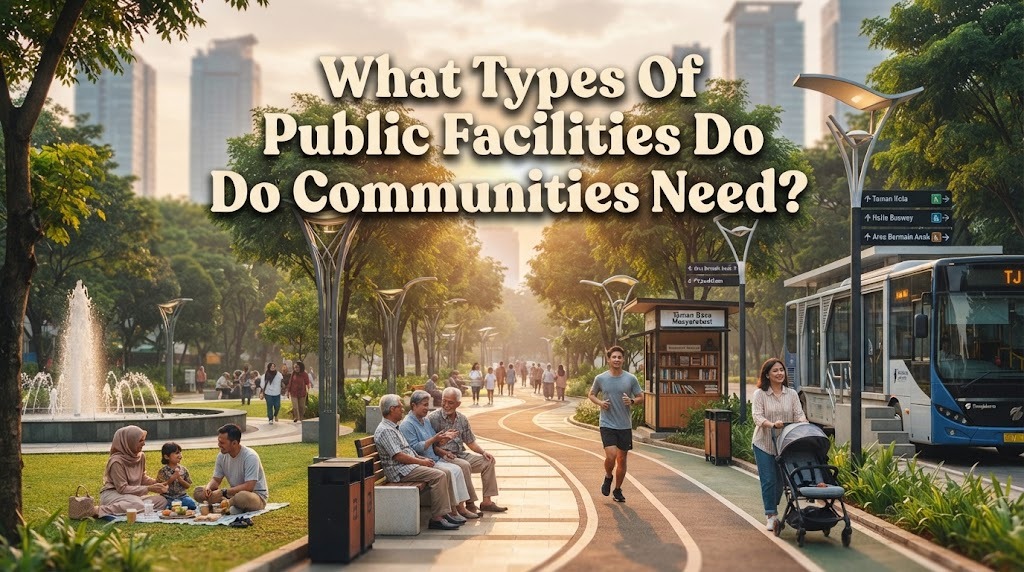
Public facilities are an important part of everyday community life. People need these facilities to travel, study, receive healthcare, work, relax, and interact with others. The types of facilities needed can vary depending on the size, location, and characteristics of each community. However, several basic facilities are generally important for creating a safe and comfortable environment. Good public facilities can support community well-being and help an area develop in a more organized way.
TRANSPORTATION AND ROAD FACILITIES
Roads and public transportation help people move from one location to another. Good roads make it easier for residents to reach schools, workplaces, markets, hospitals, and other important places. Communities also need sidewalks, bus stops, pedestrian crossings, and other facilities that support safe movement. Reliable public transportation can provide an alternative for people who do not have private vehicles. Therefore, a good transportation system is an important part of a well-functioning community.
EDUCATIONAL FACILITIES
Education requires facilities that can support effective learning activities. Schools, libraries, learning centers, and educational spaces provide opportunities for people to gain knowledge and develop useful skills. A safe and comfortable learning environment can also help students concentrate better. Libraries and community learning centers can provide additional access to books, information, and learning resources. With accessible educational facilities, communities can create wider opportunities for people to improve their abilities.
HEALTHCARE FACILITIES
Healthcare facilities are essential because everyone needs access to basic medical services. Hospitals, health centers, clinics, pharmacies, and community health posts can help people receive examinations, treatment, and other healthcare services. Facilities that are located within reasonable reach can make it easier for residents to seek help when needed. Healthcare buildings should also maintain cleanliness, safety, and proper accessibility. Accessible healthcare facilities can support a healthier and more prepared community.
WATER AND SANITATION FACILITIES
Clean water and proper sanitation are basic needs for every community. Clean water systems, public toilets, drainage, and wastewater facilities help maintain hygiene and environmental health. These facilities are especially important in schools, markets, parks, transportation areas, and other places where many people gather. Proper sanitation can reduce environmental problems and help create cleaner public spaces. Therefore, water and sanitation facilities should be included in community development planning.
WASTE MANAGEMENT FACILITIES
A clean community needs an effective system for handling waste. Waste bins, waste collection services, sorting facilities, and recycling centers can help prevent rubbish from accumulating in public areas. Easily accessible waste bins can also encourage people to dispose of their waste properly. However, facilities alone are not enough because residents also need to develop responsible waste habits. When good facilities are combined with proper behavior, community cleanliness can be maintained more effectively.
PARKS AND PUBLIC OPEN SPACES
Communities need places where people can relax, exercise, play, and socialize. Public parks, green spaces, sports fields, and open areas can provide opportunities for these activities. Children can use suitable spaces for play, while adults can exercise or spend time with family and friends. Well-maintained public spaces can also make neighborhoods feel more pleasant and attractive. For this reason, public open spaces can support both physical well-being and social interaction.
SAFETY AND EMERGENCY FACILITIES
Safety facilities help protect people while they are using public spaces. Street lighting, traffic signs, emergency exits, evacuation routes, warning systems, and security posts can help reduce risks. Good lighting can make roads and public areas easier to use at night. Clear signs can also help people understand traffic rules and emergency procedures. With suitable safety facilities, residents can carry out daily activities with greater confidence and security.
FACILITIES FOR ECONOMIC ACTIVITIES
Communities also need facilities that support local economic activities. Markets, commercial areas, business spaces, and distribution facilities can help sellers and buyers conduct transactions more easily. Accessible markets can make it more convenient for residents to purchase everyday necessities. Well-organized commercial spaces can also provide a better environment for small businesses and local entrepreneurs. As a result, economic facilities can contribute to local business activity and community income.
ACCESSIBLE FACILITIES FOR EVERYONE
Public facilities should be designed to serve people with different needs and abilities. Ramps, accessible sidewalks, handrails, suitable toilets, and clear information signs can make public spaces easier to use. Children, older adults, and people with disabilities may experience barriers when facilities are not designed with accessibility in mind. Accessibility should therefore be considered during planning, construction, and regular maintenance. Inclusive facilities can create a fairer and more comfortable environment for everyone.
CONCLUSION
Communities need different types of public facilities to support everyday activities and long-term development. Transportation, education, healthcare, sanitation, waste management, public spaces, safety, and economic facilities are among the important needs that should be considered. Each community may have different priorities depending on its population, location, and local conditions. Providing facilities is not enough because they also need to be safe, clean, accessible, and properly maintained. Well-planned public facilities can help create healthier, safer, more comfortable, and more productive communities.
Tentang Penulis
Gusti Ayu Tita P
Penulis — Universitas STEKOM
Penulis aktif yang berfokus pada isu-isu akademik, teknologi pendidikan, dan pengembangan sumber daya manusia di lingkungan kampus.