When Streets Become Spaces for Public Expression
Gusti Ayu Tita P
1 September 2026
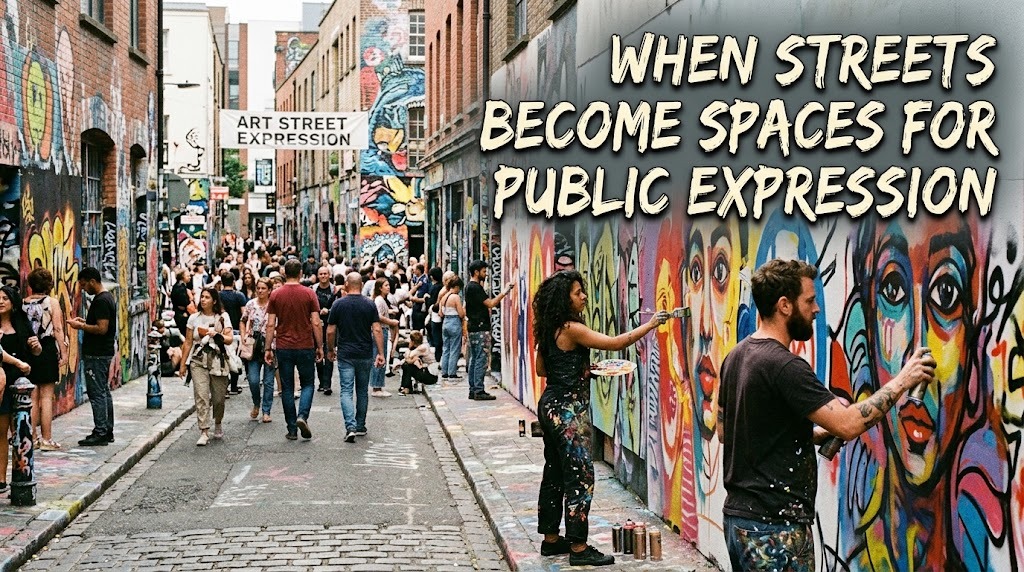
Streets are usually associated with transportation, business, and everyday activities. However, in certain situations, they can also become important spaces for public expression. People may gather in public areas to communicate concerns, demands, criticism, or support for an issue that affects their community. When this happens, an ordinary street can temporarily become a place where different social voices meet. This makes public spaces an important part of civic life and social change.
STREETS AS PUBLIC SPACES
Public streets are shared spaces where people from different backgrounds interact every day. Their open nature makes them accessible to communities that want to communicate with a wider audience. During demonstrations, streets can become places where collective voices are expressed through speeches, signs, banners, and peaceful gatherings. The visibility of these activities can attract attention from both the public and the media. As a result, streets can play a significant role in bringing social issues into public discussion.
However, using streets for public expression also requires consideration for other users. Roads and public areas continue to serve people who need to travel, work, study, or access public facilities. A large gathering can affect these activities if it is not properly managed. Public participation therefore needs to be balanced with consideration for the wider community. Responsible use of public spaces can help prevent unnecessary conflict.
WHY PEOPLE CHOOSE STREETS TO EXPRESS OPINIONS?
People may choose public streets because they provide high visibility. A gathering in a public area can attract attention more easily than a private meeting. Demonstrators can communicate their messages directly to other citizens and to institutions located nearby. Public visibility can help an issue receive wider attention. This is particularly relevant when people believe their concerns need to be heard by a larger audience.
Another reason is the symbolic meaning of certain public locations. Government buildings, major roads, city centers, and other prominent areas may represent institutions or issues connected to a particular concern. Gathering in such places can make the message more visible and meaningful. However, the choice of location should still consider safety and applicable rules. Responsible public expression requires both a clear message and awareness of the surrounding environment.
DEMONSTRATIONS AND COLLECTIVE VOICES
When people gather in large numbers, individual concerns can become a collective voice. Participants may come from different backgrounds but share a common concern or objective. Their presence demonstrates that an issue has attracted attention beyond a single individual. Collective action can therefore strengthen the visibility of certain social problems. It can also encourage other members of society to learn more about the issue.
At the same time, collective action does not mean that everyone in society shares the same opinion. Some people may support the demands, while others may disagree or remain neutral. This diversity is a normal part of democratic societies. Respect for different viewpoints is important when public spaces become places of political or social expression. Peaceful communication can help prevent disagreements from becoming social conflict.
THE ROLE OF MEDIA AND SOCIAL MEDIA
Modern demonstrations are no longer limited to people physically present at the location. News organizations, social media users, and independent observers can share information about an event with audiences in other cities or countries. Photos, videos, and live broadcasts can make a local gathering visible to a much larger audience. Digital communication therefore extends the reach of public expression beyond the street itself.
However, online information can sometimes lack context or contain inaccurate claims. A short video may show only one part of a larger event, while an old image may be presented as if it were recent. People should verify important information before sharing it. Digital literacy helps users distinguish reliable information from misleading content. This is especially important when public demonstrations involve sensitive or controversial issues.
PUBLIC ORDER AND COMMUNITY NEEDS
Large gatherings can create challenges for public order, particularly when streets are heavily used for transportation. Traffic congestion, blocked access, and disruption to businesses can affect people who are not participating in the demonstration. These effects need to be considered when planning and managing a public gathering. Public safety should remain a shared responsibility among organizers, participants, authorities, and the wider community.
Good communication can reduce many potential problems. Organizers can provide clear information about the purpose and schedule of an event, while participants can help maintain orderly conditions. Authorities can also focus on protecting safety and facilitating communication between different groups. Cooperation makes it easier to balance public expression with everyday community needs. This approach can help public spaces remain accessible and safe.
PEACEFUL EXPRESSION BUILDS PUBLIC TRUST
The way people express their opinions can influence how society responds to their message. Peaceful demonstrations allow attention to remain focused on the issue rather than on unnecessary conflict. Participants can express strong criticism without threatening the safety of other people. Peaceful protest can therefore create a more constructive environment for public discussion.
Public trust can also grow when demonstrations are organized responsibly. Clear demands, respectful communication, and consideration for surrounding communities can make the purpose of an action easier to understand. People who disagree with the demands may still recognize the legitimacy of peaceful expression. Responsible civic behavior helps protect the quality of public dialogue. It also shows that freedom of expression can coexist with social responsibility.
STREETS AND SOCIAL CHANGE
Public demonstrations can sometimes contribute to broader conversations about social change. When an issue receives significant attention, policymakers, institutions, media organizations, and communities may begin discussing possible responses. The street becomes one part of a larger process involving public debate and decision-making. Social change, however, rarely happens because of a single demonstration. Long-term change usually requires continued dialogue, policy evaluation, and public participation.
After a demonstration ends, citizens can continue expressing their views through other channels. They may participate in community discussions, provide feedback to institutions, follow policy developments, or engage in civic activities. These actions help maintain attention on important issues. Sustained public participation can make social movements more meaningful over time. It also allows society to move from expressing concerns toward discussing practical solutions.
BALANCING FREEDOM AND RESPONSIBILITY
Public expression is an important part of democratic life, but it comes with responsibilities. People using public spaces should consider the safety and rights of others. Demonstrations can be firm and critical while still avoiding unnecessary harm or disruption. Freedom of expression and social responsibility should therefore work together. This balance helps create a public environment where different opinions can coexist.
The same principle applies to online discussions surrounding demonstrations. Users should avoid spreading misinformation, personal attacks, or content intended to create unnecessary hostility. Instead, they can share verified information and discuss issues based on evidence. Healthy public dialogue allows disagreement without turning differences into division. This approach strengthens the social value of public spaces both offline and online.
CONCLUSION
When streets become spaces for public expression, they reflect the relationship between society, public participation, and social change. Demonstrations can transform ordinary public areas into places where people communicate concerns and collective demands. Media and social media can then expand these voices beyond the physical location. At the same time, public order, safety, traffic, and the rights of other citizens must remain important considerations.
Ultimately, meaningful public expression is not measured only by the size of a gathering. Clear messages, peaceful action, accurate information, mutual respect, and continued participation can make public demonstrations more constructive. When citizens use public spaces responsibly, streets can become valuable places for democratic dialogue. In this way, public expression can contribute to a society that is more aware, engaged, and open to positive change.
Tentang Penulis
Gusti Ayu Tita P
Penulis — Universitas STEKOM
Penulis aktif yang berfokus pada isu-isu akademik, teknologi pendidikan, dan pengembangan sumber daya manusia di lingkungan kampus.