Why Are Nuclear Power Plants Important for the Future?
Gusti Ayu Tita P
1 September 2026
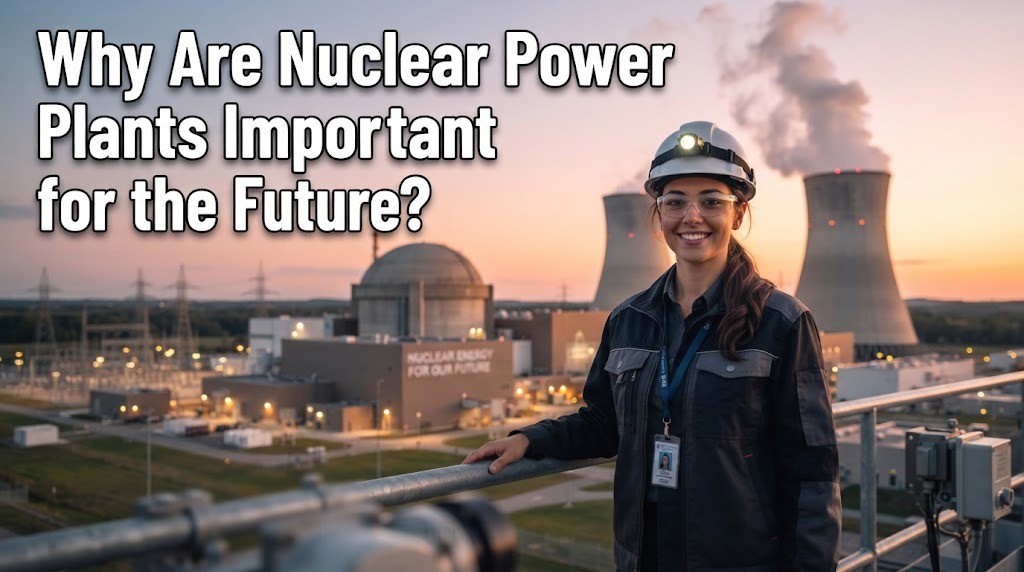
The world's demand for electricity is expected to grow as populations, industries, digital services, and electric transportation continue to expand. At the same time, countries need to reduce greenhouse gas emissions and build more resilient energy systems. These challenges have increased interest in nuclear power plants as a source of reliable low carbon electricity.
Nuclear power is not a universal solution to future energy challenges. However, it can complement renewable energy sources such as solar, wind, hydropower, and geothermal power. When supported by strong safety standards, responsible waste management, and effective regulation, nuclear energy can become an important part of a diversified energy system.
MEETING GROWING ELECTRICITY DEMAND
Electricity will become increasingly important as more activities shift toward electric technologies. Electric vehicles, heat pumps, data centers, industrial equipment, and digital infrastructure all require dependable power. This growing demand means countries need to expand their generation capacity while maintaining grid reliability. Nuclear power plants can contribute by producing large amounts of electricity consistently.
Unlike some renewable sources whose output changes with weather and time of day, nuclear reactors can provide steady generation for long periods. This characteristic can be useful when electricity demand remains high throughout the day and night. Nuclear power can therefore serve as one component of a reliable electricity system. Its role is strongest when combined with other generation technologies and flexible grid resources.
PROVIDING RELIABLE LOW CARBON POWER
One of the most important reasons nuclear power is considered for the future is its low greenhouse gas emissions. Nuclear reactors do not burn fossil fuels to generate electricity during normal operation. Over their full life cycle, nuclear and renewable energy technologies generally have much lower greenhouse gas emissions than coal and natural gas power generation. This makes nuclear power relevant to efforts to reduce emissions from the electricity sector.
Low carbon generation is particularly important as countries seek to meet climate targets. Nuclear power can provide electricity while limiting direct dependence on fossil fuels. However, it should not replace renewable energy development. A combination of low carbon technologies can provide greater flexibility and resilience than relying on a single energy source.
SUPPORTING RENEWABLE ENERGY
Solar and wind power have become important parts of the global energy transition, but their electricity production varies according to weather and time. Nuclear power can provide relatively steady generation while variable renewable sources change throughout the day. Energy storage, transmission networks, demand response, hydropower, and other flexible resources can further balance the system. The appropriate combination depends on each country's energy resources and electricity needs.
This means nuclear power and renewable energy do not necessarily have to compete. They can perform different functions within the same electricity system. Renewables can provide growing amounts of low carbon electricity, while nuclear generation can contribute steady power. Together with storage and stronger grids, these technologies can support a more resilient energy system.
STRENGTHENING ENERGY SECURITY
Future energy systems need to be resilient against fuel supply disruptions, price volatility, geopolitical tensions, and extreme weather. Nuclear power can contribute to energy security by diversifying the sources used to generate electricity. Uranium contains a large amount of energy in a relatively small quantity of fuel, and nuclear fuel can be stored for extended periods. This can provide useful flexibility in fuel supply management.
However, nuclear energy is not completely independent of international supply chains. Uranium mining, conversion, enrichment, fuel fabrication, technology, and specialized equipment all require reliable supply arrangements. Strong energy security therefore requires careful management of the entire nuclear fuel cycle. Diversifying suppliers and developing appropriate national capabilities can help reduce potential vulnerabilities.
REDUCING FOSSIL FUEL DEPENDENCE
Coal and natural gas remain important sources of electricity in many countries, but their use contributes significantly to greenhouse gas emissions. Replacing some fossil fuel generation with low carbon sources can help reduce emissions. Nuclear power can contribute to this process because reactors generate electricity without combustion. This can also reduce exposure to fluctuations in fossil fuel prices.
The transition away from fossil fuels requires more than building nuclear reactors. Energy efficiency, renewable power, modern electricity grids, storage, and electrification are also important. Nuclear energy can therefore be viewed as one option within a broader strategy. The most appropriate energy mix will differ between countries depending on their resources, infrastructure, and policy goals.
SUPPORTING INDUSTRIAL DEVELOPMENT
A reliable electricity supply is important for modern industries. Manufacturing, chemical processing, telecommunications, data centers, and other energy intensive activities require dependable power. Nuclear plants can provide a stable source of electricity for large electricity systems. In some cases, nuclear energy can also support non-electric applications such as industrial heat or hydrogen production, depending on the technology and economics.
Nuclear projects can also create demand for specialized skills and services. Engineers, technicians, safety specialists, researchers, construction workers, and other professionals may be needed throughout the life of a nuclear facility. Developing these capabilities can strengthen national expertise in advanced technology. However, these benefits depend on effective planning, education, regulation, and long term investment.
ADVANCING NUCLEAR TECHNOLOGY
Nuclear technology continues to develop beyond traditional large reactors. Small modular reactors are being researched and developed with different designs, construction methods, and potential applications. Some concepts are intended to provide smaller power outputs or serve locations where large reactors may be less suitable. Advanced reactor technologies are also being studied to improve safety, efficiency, fuel use, and waste characteristics.
These technologies should still be evaluated carefully. Not every proposed reactor has reached commercial maturity, and costs and regulatory requirements can vary significantly. Future decisions should therefore be based on demonstrated performance, safety, economic feasibility, and suitability for the local energy system. Technological innovation can expand nuclear energy options, but it does not eliminate the need for careful assessment.
MAINTAINING STRONG SAFETY STANDARDS
The future of nuclear energy depends heavily on public confidence and strong safety practices. Nuclear facilities require multiple layers of protection, trained personnel, emergency preparedness, and independent regulatory oversight. Safety must be considered throughout the entire life cycle, from site selection and design to operation and eventual decommissioning. Continuous monitoring and improvement are also essential.
Radioactive waste is another issue that must be addressed responsibly. Different forms of radioactive waste require appropriate treatment, storage, and disposal methods. Used nuclear fuel requires particularly careful long term management. A credible nuclear energy program therefore needs clear waste policies, suitable facilities, competent institutions, and transparent communication with the public.
SUPPORTING LONG TERM ENERGY PLANNING
Nuclear power plants can operate for many decades when properly maintained and regulated. Their long operating potential can make them relevant to long term electricity planning. A country can use nuclear generation as part of a strategy designed to meet future demand while reducing dependence on fossil fuels. However, nuclear projects require substantial investment and careful planning before they can begin producing electricity.
Construction schedules, financing, grid requirements, regulatory approval, workforce preparation, and technology selection all need to be considered. Poor planning can increase project costs and delay the expected benefits. For this reason, nuclear energy requires a long term approach rather than a short term response to electricity shortages.
CONCLUSION
Nuclear power plants are important for the future because they can provide reliable low carbon electricity while supporting energy security and reducing dependence on fossil fuels. Their ability to generate steady power can complement renewable energy and help meet rising electricity demand. Nuclear energy can also contribute to industrial development, technological innovation, and long term energy planning.
However, nuclear power must be developed responsibly. High upfront costs, radioactive waste management, safety requirements, fuel supply chains, construction challenges, and public acceptance all need careful attention. The future energy system will likely depend on a combination of technologies rather than a single solution. With strong regulation and responsible planning, nuclear power can be an important part of a reliable and lower carbon energy future.
Tentang Penulis
Gusti Ayu Tita P
Penulis — Universitas STEKOM
Penulis aktif yang berfokus pada isu-isu akademik, teknologi pendidikan, dan pengembangan sumber daya manusia di lingkungan kampus.