Why Can Sharing Too Much Personal Information Be Dangerous?
Gusti Ayu Tita P
18 September 2026
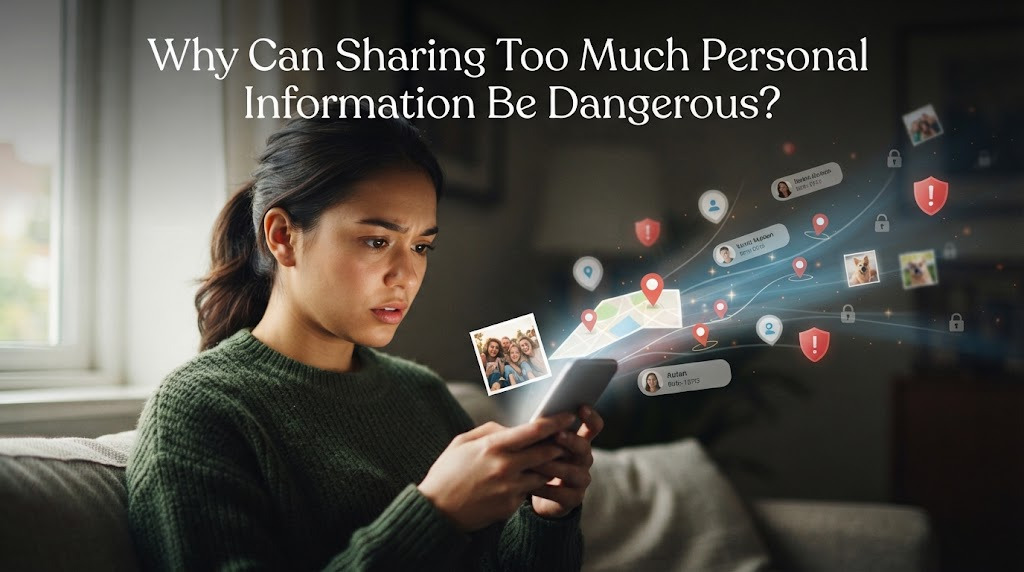
Sharing personal information is a common part of everyday communication, especially when using social media, messaging apps, and online services. However, sharing too many details can create privacy and security risks. Information that seems harmless may become more sensitive when combined with other details about a person's identity, location, or daily activities. Understanding these risks can help people make safer decisions when sharing information online and offline.
WHY CAN PERSONAL INFORMATION BECOME DANGEROUS WHEN SHARED?
Personal information can become dangerous when it gives other people too much knowledge about someone's identity or activities. Details such as full names, addresses, phone numbers, birth dates, school information, and daily routines can sometimes be used to identify or contact a person. When several pieces of information are available together, they may reveal more than the person originally intended. This is why people should carefully consider what information they make available.
The risk also depends on who receives the information and how it may be used. Information shared with trusted people may still be forwarded, copied, or stored without the original person's knowledge. Online information can spread particularly quickly because users can take screenshots or share posts with others. Practicing careful information sharing can reduce unnecessary exposure.
HOW CAN OVERSHARING AFFECT ONLINE PRIVACY?
Oversharing can reduce a person's control over their personal privacy. Posting private photographs, family details, locations, or personal experiences can make information available to a larger audience than expected. Even when an account has privacy settings, information may still be copied or shared by people who can access it. As a result, users should not assume that every online post will remain completely private.
Repeatedly sharing personal details can also create a detailed profile of someone's life. Individual posts may seem harmless, but they can reveal patterns about where a person lives, studies, works, or spends time. This information can become more sensitive when combined with public profile details. Limiting unnecessary personal information can therefore support stronger online privacy protection.
CAN SHARING PERSONAL INFORMATION CREATE SECURITY RISKS?
Yes, excessive sharing can create personal security risks, especially when information reveals predictable routines or locations. For example, frequently posting where you live, where you study, or when you are away from home can provide useful information to people you do not know. Sharing information about family members may also expose details that should remain private. Being aware of these risks can encourage safer communication habits.
Some information can also help attackers make their messages appear more convincing. Details about a person's interests, workplace, relatives, or activities may be used in social engineering or phishing attempts. The information itself may not be dangerous, but it can become useful when combined with other publicly available data. Avoiding unnecessary disclosure can make it harder for strangers to build a detailed profile.
WHY SHOULD YOU AVOID SHARING SENSITIVE ACCOUNT INFORMATION?
Sensitive account information should receive stronger protection because it can provide direct access to personal accounts. Passwords, verification codes, recovery information, security answers, and banking details should not be shared casually with other people. Legitimate services generally have secure processes for account verification and should not require users to publicly disclose sensitive credentials. Keeping these details private is an important part of digital security.
People should also be careful when sharing screenshots of online accounts or documents. A screenshot may accidentally display an email address, account number, verification code, or other private information. Before sending or posting an image, check it carefully for sensitive personal data. Small details that are easy to overlook can sometimes create unnecessary security problems.
HOW CAN SOCIAL MEDIA INCREASE THE DANGER OF OVERSHARING?
Social media can make oversharing more risky because information can reach a large audience very quickly. Users may post locations, travel plans, family activities, workplace details, or personal photographs without considering who may eventually see them. Public posts can also remain accessible through screenshots or shared copies even after the original content is removed. This makes it important to think carefully before publishing personal information.
Another concern is that separate posts can be combined to reveal more information than each post contains individually. A profile may show someone's name, school, workplace, interests, friends, and regular locations. Together, these details can create a clearer picture of the person's identity and routine. Using privacy settings and thoughtful posting habits can help reduce unnecessary exposure.
HOW CAN PEOPLE PROTECT THEIR PERSONAL INFORMATION?
People can protect personal information by following a few simple but consistent habits. First, they should think about who needs the information and what could happen if it were shared further. Sensitive information should be limited to trusted people or secure services when necessary. Users should also regularly review social media privacy settings and remove unnecessary public details.
It is also useful to pause before posting emotional or highly personal content. Ask whether the information is necessary, whether it belongs to someone else, and whether you would be comfortable if it were shared beyond the intended audience. Using strong passwords and multi-factor authentication can provide additional protection for online accounts. These habits can help create better digital privacy and security awareness.
CONCLUSION
Sharing too much personal information can be dangerous because it may reduce privacy and create security, identity, and social risks. Personal details can sometimes be combined to reveal a person's identity, location, routines, or relationships. Oversharing may also provide useful information for scams, social engineering, or unwanted contact. By thinking before sharing, protecting sensitive account information, and using appropriate privacy settings, people can maintain better control over their personal information and online privacy.
Tentang Penulis
Gusti Ayu Tita P
Penulis — Universitas STEKOM
Penulis aktif yang berfokus pada isu-isu akademik, teknologi pendidikan, dan pengembangan sumber daya manusia di lingkungan kampus.