Why Cloud Based Learning Management Systems Are Growing Rapidly
Gusti Ayu Tita P
30 Juli 2026
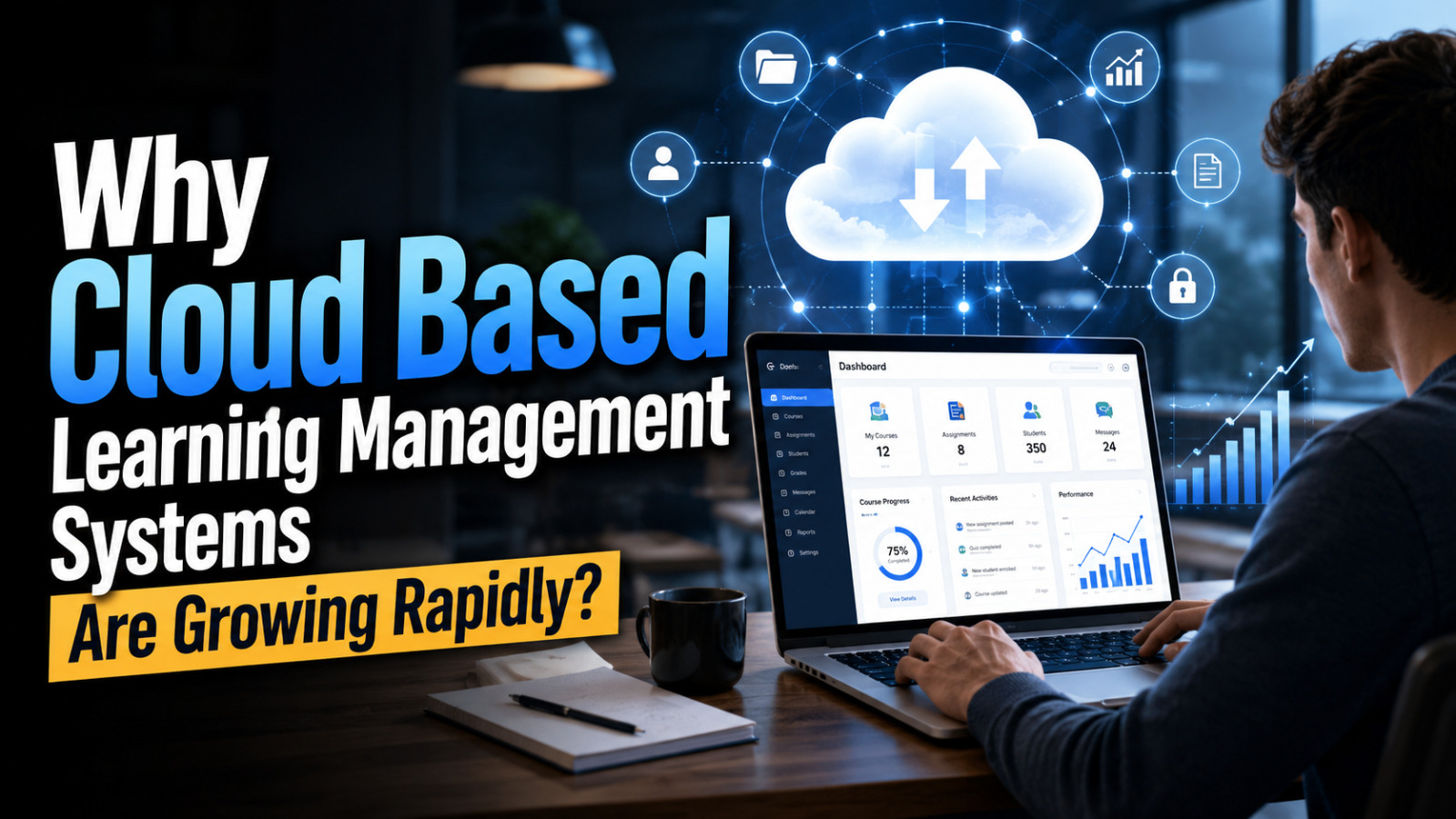
Cloud-based Learning Management Systems (LMS) have become one of the most important technologies in modern education and corporate training. Schools, universities, businesses, and training providers are moving away from traditional learning platforms because cloud technology offers greater flexibility, lower costs, and better accessibility. Users can access learning materials anytime and from almost any device with an internet connection. As digital transformation continues worldwide, the demand for cloud-based LMS solutions is growing faster than ever.
WHAT IS A CLOUD BASED LEARNING MANAGEMENT SYSTEM?
A Cloud Based Learning Management System is an online platform that allows organizations to create, manage, deliver, and monitor educational or training content without installing software on local servers. Everything is hosted in the cloud, making the platform accessible through a web browser or mobile application. This approach reduces the need for expensive hardware and complex IT maintenance.
Cloud technology also enables automatic software updates, stronger data security, and reliable backups. Administrators can manage courses, track learner progress, and generate reports from a centralized dashboard. Students and employees benefit from a smooth learning experience because they can continue their courses wherever they are.
WHY CLOUD BASED LMS PLATFORMS ARE GAINING POPULARITY
One of the biggest reasons behind the rapid growth of cloud-based LMS platforms is accessibility. Learners are no longer limited to classrooms or office computers because they can study from home, during travel, or from any remote location. This flexibility supports modern learning habits and hybrid working environments.
Another important factor is cost efficiency. Organizations do not need to purchase expensive servers or hire large IT teams to maintain the system. Cloud providers handle infrastructure, updates, and security, allowing institutions to focus more on delivering quality education instead of managing technical issues.
KEY BENEFITS OF CLOUD BASED LEARNING MANAGEMENT SYSTEMS
A cloud-based LMS offers automatic updates, ensuring users always have access to the latest features without manual installation. It also provides high scalability, allowing organizations to add thousands of new users without major infrastructure changes. This makes the platform suitable for both small businesses and large enterprises.
Another significant advantage is real-time collaboration. Teachers, trainers, and learners can communicate through discussion forums, live classes, messaging tools, and shared resources. Built-in analytics also help instructors identify learner performance, making it easier to improve training effectiveness.
HOW CLOUD TECHNOLOGY IMPROVES ONLINE LEARNING
Cloud technology creates a more engaging learning experience by supporting multimedia content such as videos, interactive quizzes, downloadable documents, and live webinars. Learners can switch between devices without losing their progress because all information is synchronized automatically.
Modern cloud platforms also integrate with many third-party applications, including video conferencing software, HR systems, CRM platforms, and productivity tools. This integration creates a seamless digital ecosystem where learning becomes part of everyday work and education.
WHY BUSINESSES AND SCHOOLS PREFER CLOUD LMS
Businesses increasingly choose cloud LMS solutions because employee training has become a continuous process. New skills, compliance regulations, and technological changes require organizations to update learning materials frequently. Cloud systems make these updates quick and accessible to every employee.
Educational institutions also benefit from simplified course management and improved communication between teachers and students. Assignment submissions, grading, attendance tracking, and performance monitoring can all be handled through one centralized platform, reducing administrative workload significantly.
FUTURE TRENDS OF CLOUD BASED LEARNING MANAGEMENT SYSTEMS
The future of cloud-based LMS platforms is expected to become even more advanced with the integration of Artificial Intelligence, Learning Analytics, and personalized learning. AI can recommend suitable courses, provide automated feedback, and help learners progress at their own pace based on their performance.
Cloud platforms are also expected to support more immersive learning through virtual reality, augmented reality, and adaptive learning technologies. As internet connectivity improves worldwide, cloud-based education will become more accessible, interactive, and effective for learners of all ages.
CONCLUSION
The rapid growth of Cloud Based Learning Management Systems reflects the changing needs of education and workplace training. Their flexibility, affordability, scalability, and ease of access make them a preferred solution for organizations around the world. As technology continues to evolve, cloud LMS platforms will play an even greater role in delivering efficient, engaging, and personalized learning experiences. Investing in a cloud-based LMS today is not only a practical decision but also a strategic step toward the future of digital learning.
Tentang Penulis
Gusti Ayu Tita P
Penulis — Universitas STEKOM
Penulis aktif yang berfokus pada isu-isu akademik, teknologi pendidikan, dan pengembangan sumber daya manusia di lingkungan kampus.