Why Do Middle Children Often Feel Less Attention From Parents?
Gusti Ayu Tita P
8 September 2026
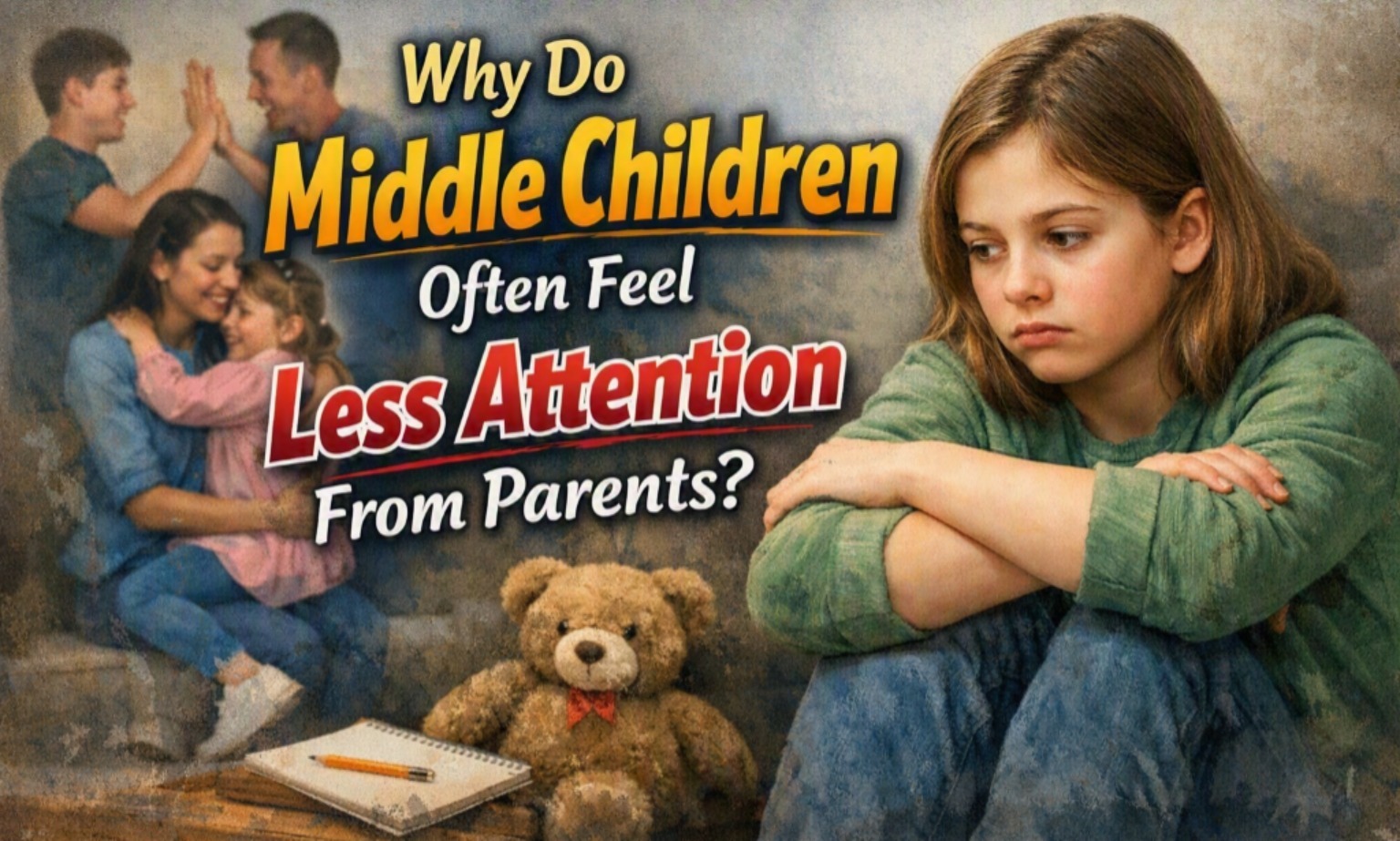
Middle children are often described as independent, adaptable, and good at understanding other people. However, some middle children may also feel that they receive less attention from their parents compared with their older or younger siblings. This feeling does not necessarily mean that parents love them less. Instead, it can develop from differences in family roles, parental expectations, age gaps, and everyday interactions. Understanding these factors can help families create a more balanced and supportive environment for every child.
THE MIDDLE CHILD POSITION CAN FEEL DIFFERENT
A middle child often grows up between an older sibling who receives attention for reaching new milestones and a younger sibling who may need more direct care. The oldest child may attract parental attention because parents are experiencing important stages for the first time. Meanwhile, the youngest child can receive extra help because they are still considered the baby of the family. As a result, the middle child may sometimes feel that their achievements receive less recognition. This experience can become stronger when parents unintentionally compare siblings.
The feeling of being overlooked is not the same in every family. Some middle children receive plenty of attention and have very close relationships with their parents. Family size, sibling age differences, parenting styles, and individual personalities can all influence how attention is shared. Therefore, birth order alone does not determine a child's emotional experience.
PARENTS MAY EXPECT MORE INDEPENDENCE
Middle children are sometimes expected to manage certain things on their own because their parents have already gained experience raising an older child. Parents may assume that the middle child understands family routines and needs less assistance. This can encourage independence and responsibility, but it can also make the child feel that their needs are less important. When this happens repeatedly, the child may stop asking for help even when they actually need support.
Another factor is that parents may have limited time and energy when managing several children at different developmental stages. Attention often goes toward the child who has an urgent need at that moment. A middle child who appears calm or capable may receive less immediate attention simply because they seem to be doing well. Being capable does not mean a child needs less emotional connection.
OLDER AND YOUNGER SIBLINGS MAY RECEIVE DIFFERENT ATTENTION
Parents naturally respond differently to children depending on their age and developmental needs. An older child may receive attention related to school, career preparation, independence, or major life decisions. A younger child may need more help with basic routines, schoolwork, or daily activities. The middle child can therefore experience a situation where both siblings have visible reasons for receiving parental attention.
This difference can create a perception of unequal treatment, especially when special events or achievements are involved. For example, a middle child's success may seem less significant if the family is simultaneously focused on an older sibling's graduation or a younger sibling's important milestone. Even when parents do not intend to neglect anyone, the middle child may interpret the situation as being less valued. Regularly acknowledging each child's individual achievements can help reduce this feeling.
COMPARISON CAN MAKE THE FEELING STRONGER
Sibling comparison is another reason some middle children feel overlooked. Statements such as "Your older sibling could do this at your age" or "You should help your younger sibling" can give a child the impression that their role is mainly to follow or support others. Over time, this may affect self-esteem and family belonging. The child may begin to believe that they must compete for recognition or avoid creating additional problems for their parents.
However, comparison is not always intentional. Parents may use siblings as examples because they are familiar with each child's behavior and development. The problem occurs when comparisons become frequent or make one child feel inferior. Parents can instead focus on individual progress, recognizing that every child has different strengths, challenges, interests, and developmental timelines.
MIDDLE CHILDREN MAY BECOME THE FAMILY MEDIATORS
Because they are positioned between siblings, some middle children may become comfortable adapting to different personalities and expectations. They may learn to negotiate, listen, and avoid unnecessary conflict. These skills can make them appear mature and easy to manage. However, being the family mediator can sometimes cause their own emotions to receive less attention.
A child should not be expected to constantly keep peace between siblings. Parents need to make sure that the middle child can express anger, disappointment, sadness, and personal needs without feeling responsible for everyone's emotions. Giving them individual time with parents can also create opportunities for honest conversations. Listening without immediately giving advice can help a middle child feel heard and valued.
CONCLUSION
Parents do not need to divide attention perfectly equally at every moment. Instead, the goal should be to make each child feel seen, heard, and supported according to their individual needs. Simple actions such as spending one-on-one time together, asking about their interests, and celebrating personal achievements can make a meaningful difference. Parents can also avoid assuming that a quiet or independent child has no emotional needs.
Most importantly, parents should recognize that every child's experience is different. If a middle child says they feel ignored, the response should not immediately be, "That is not true." Instead, parents can ask what situations make them feel that way and listen carefully to the answer. Open communication and consistent affection can strengthen the child's sense of security. With attention that is intentional rather than based only on who needs help most urgently, every child can have a stronger feeling of belonging within the family.
Tentang Penulis
Gusti Ayu Tita P
Penulis — Universitas STEKOM
Penulis aktif yang berfokus pada isu-isu akademik, teknologi pendidikan, dan pengembangan sumber daya manusia di lingkungan kampus.