Why Is Abstaining From Voting Becoming More Common?
Gusti Ayu Tita P
16 Oktober 2026
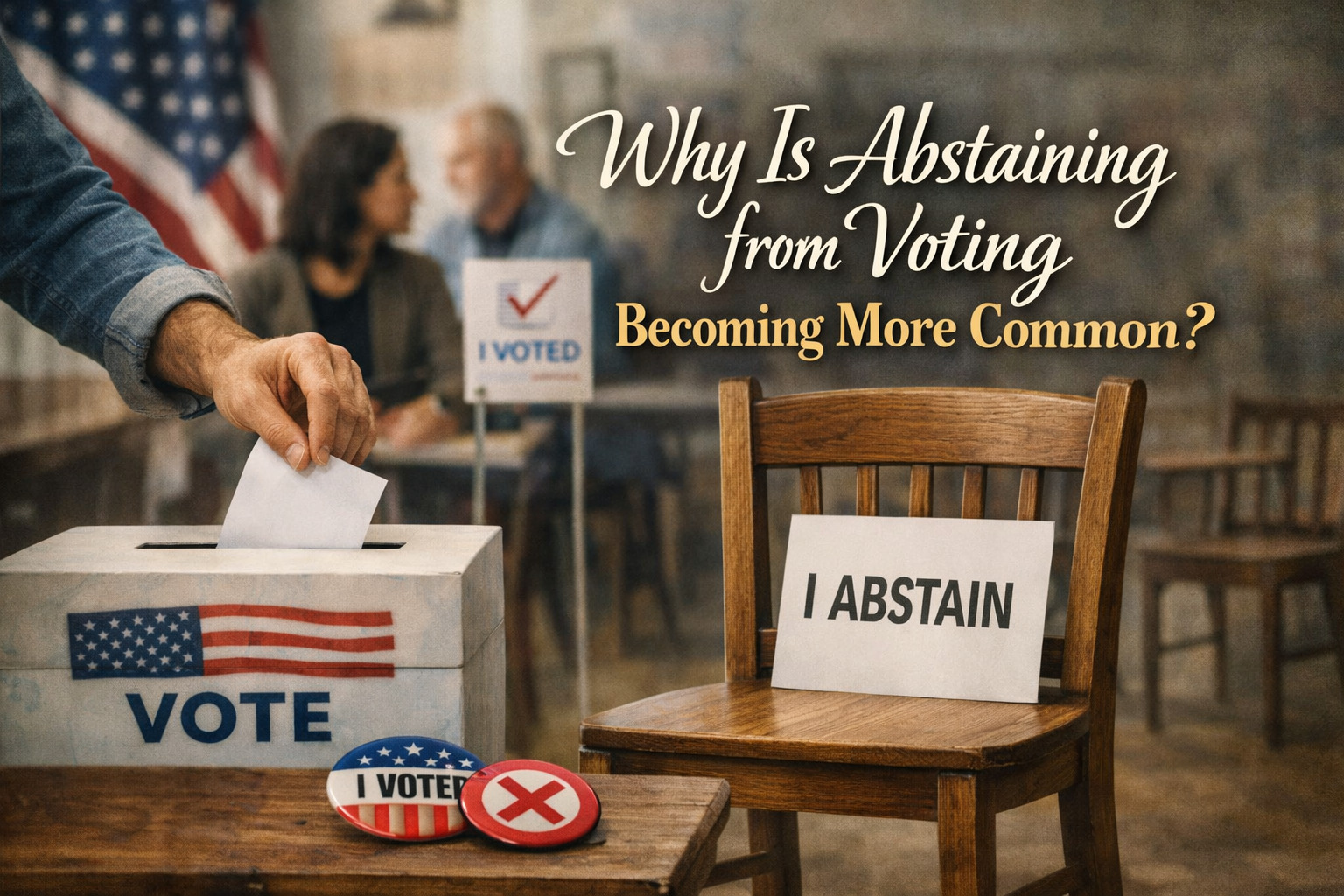
Abstaining from voting has become a growing concern in many democratic countries. More eligible citizens, especially young people, choose not to participate in elections for various reasons. This trend can affect the quality of democracy because lower voter turnout means fewer voices are represented in the election process. Understanding why abstaining from voting is becoming more common is the first step toward encouraging greater democratic participation and strengthening public trust in elections.
DECLINING TRUST IN POLITICAL INSTITUTIONS
One major reason people choose abstaining voting is a decline in election trust and confidence in political institutions. Some citizens believe that elected leaders do not fulfill their promises after taking office. Others feel that government policies often fail to address public concerns or improve daily life. As a result, many voters become disappointed and question whether participating in elections will make a real difference.
When trust decreases, people may lose motivation to vote even though elections remain an essential part of democracy. Rebuilding public confidence requires transparency, accountability, and honest communication between leaders and citizens. Strong democratic institutions depend on public trust and active participation.
LACK OF POLITICAL KNOWLEDGE AND AWARENESS
Limited political awareness is another important factor contributing to voter abstention. Many citizens do not fully understand how elections work, why voting matters, or how government decisions affect their lives. Without sufficient civic education, some people believe their vote has little value or influence.
Access to accurate political information helps citizens become more confident voters. Schools, universities, and community organizations can play an important role in teaching democratic values and civic responsibilities. Better political education encourages informed participation instead of political indifference.
THE IMPACT OF MISINFORMATION AND SOCIAL MEDIA
The rapid growth of social media has changed how people receive political information. While digital platforms make information easier to access, they also spread misinformation, rumors, and misleading political content. False information can create confusion, increase public distrust, and discourage citizens from participating in elections.
People who cannot distinguish between reliable and unreliable sources may become frustrated or skeptical about politics. Verifying information through official election authorities and trusted news organizations helps reduce the influence of misinformation. Developing critical thinking skills is essential in today's digital environment.
POLITICAL APATHY AMONG YOUNG VOTERS
Many young voters experience political apathy because they feel disconnected from political issues. Some believe that politicians do not represent their interests or address challenges faced by younger generations. Others focus more on education, careers, or personal goals than on civic participation.
Encouraging youth involvement through civic education, public discussions, and community engagement can increase interest in politics. Young people should understand that today's political decisions directly affect their future opportunities, education, employment, and quality of life. Active participation helps ensure that their voices are represented.
HOW TO REDUCE VOTER ABSTENTION?
Reducing abstaining voting requires cooperation between governments, educational institutions, media organizations, and citizens. Providing transparent elections, accurate political information, and accessible voting procedures can improve voter turnout. Public campaigns that explain the importance of voting also help increase civic engagement.
Citizens should actively seek reliable information before making political decisions. Open discussions, respectful debates, and fact-based analysis encourage greater democratic participation. When people understand the value of their vote, they are more likely to participate in future elections.
CONCLUSION
Abstaining from voting is becoming more common due to declining election trust, limited political awareness, misinformation, and political apathy. Although these challenges are significant, they can be addressed through better civic education, transparent democratic institutions, and improved access to reliable information. Increasing voter turnout strengthens democracy by ensuring that more citizens participate in choosing their leaders. Every vote contributes to a more representative, accountable, and inclusive democratic system.
Tentang Penulis
Gusti Ayu Tita P
Penulis — Universitas STEKOM
Penulis aktif yang berfokus pada isu-isu akademik, teknologi pendidikan, dan pengembangan sumber daya manusia di lingkungan kampus.