Why Is Entrepreneurship Becoming a Popular Trend Among Students?
Gusti Ayu Tita P
28 September 2026
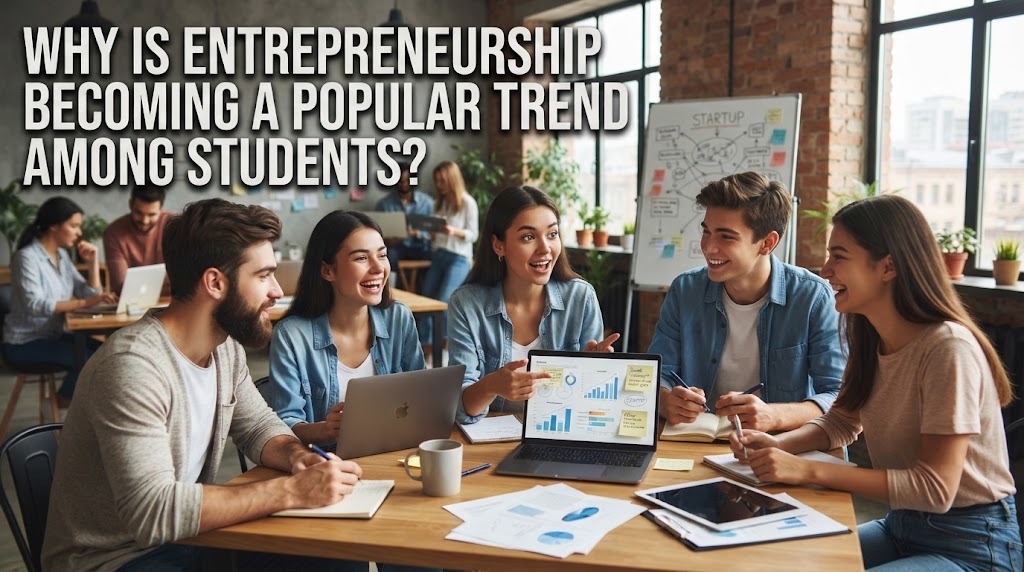
The digital era has changed many aspects of college life. Technology is now closely connected to how students study, communicate, access information, develop skills, and prepare for careers. College students need to adapt to these changes so they can use technology effectively while maintaining good academic and personal habits.
Digital adaptation is not only about owning smartphones or using social media. Students also need to understand how to use digital tools productively, evaluate information, communicate responsibly, and protect their personal data. Digital skills have become an important part of student development in modern education.
STUDENTS ARE USING DIGITAL TOOLS FOR LEARNING
One of the clearest changes can be seen in the way students study. Students can access digital books, online courses, educational videos, academic platforms, and other learning resources from different devices. These tools allow students to find additional explanations and learning materials more easily.
Students can also use applications to organize notes, manage assignments, and practice difficult subjects. Online learning platforms provide flexibility because students can review certain materials when needed. Technology can therefore support more independent and flexible learning habits.
STUDENTS ARE DEVELOPING DIGITAL SKILLS
The digital era encourages students to develop skills that are useful beyond traditional academic knowledge. These skills can include using productivity software, creating digital content, analyzing information, communicating online, and working with collaborative platforms. Digital skills can support both academic activities and future professional responsibilities.
Students can develop these abilities through courses, projects, organizations, internships, and independent practice. They do not always need to wait for formal classes to learn new technology. Continuous learning can help students remain adaptable as digital tools continue to change.
STUDENTS ARE USING AI AND OTHER TECHNOLOGIES
Artificial intelligence has become another technology that students are exploring. AI tools can assist with brainstorming, summarizing information, language practice, research organization, and other academic activities. Students need to understand how to use these tools as learning support rather than simply depending on them.
Responsible use is important because digital tools can produce inaccurate or incomplete information. Students should verify important information and continue developing their own reasoning and writing abilities. Combining technology with critical thinking can make digital learning more effective.
DIGITAL COMMUNICATION IS BECOMING PART OF CAMPUS LIFE
Communication between students and academic communities increasingly takes place through digital platforms. Students use messaging applications, email, video meetings, and online groups to discuss assignments, coordinate projects, and share information. Digital communication makes collaboration faster and more flexible.
Students also need to understand appropriate online communication. Clear messages, respectful language, timely responses, and professional behavior can make digital interactions more effective. Good digital communication is useful not only at university but also in future workplaces.
STUDENTS ARE BUILDING ONLINE PROFESSIONAL IDENTITIES
The digital era has also changed how students prepare for careers. Students can create online portfolios, share projects, participate in professional communities, and build a professional presence through digital platforms. An online professional identity can help students communicate their skills and interests before graduation.
Students should also pay attention to their digital footprints. Public posts, comments, and shared content can influence how others perceive their online presence. Responsible digital behavior can support a more professional image while students develop their careers.
STUDENTS ARE BECOMING MORE AWARE OF DIGITAL INFORMATION
The large amount of information available online creates both opportunities and challenges. Students can quickly find information for assignments and research, but not every online source is reliable. Digital literacy helps students evaluate information before using or sharing it.
Students can compare sources, check publication details, examine supporting evidence, and avoid immediately accepting information simply because it is popular online. Critical evaluation is an essential habit in the digital era because students encounter information from many different sources every day.
STUDENTS NEED TO BALANCE TECHNOLOGY WITH REAL LIFE
Adapting to the digital era does not mean spending all day online. Excessive screen time and constant notifications can affect concentration, rest, and social interaction. Students need to create a healthy balance between digital activities and offline experiences.
Setting study periods, limiting unnecessary notifications, taking screen breaks, and making time for exercise or face-to-face interaction can support healthier routines. Technology should remain a useful tool rather than becoming a constant source of distraction.
CONCLUSION
College students are adapting to the digital era by using digital learning tools, developing technology skills, exploring AI, communicating through online platforms, building professional identities, and improving digital literacy. These changes have made technology an important part of modern student life.
However, successful digital adaptation requires more than technical ability. Students also need critical thinking, responsible communication, information awareness, and healthy technology habits. By combining digital skills with academic knowledge and personal development, students can become better prepared for the changing demands of education and the professional world.
Tentang Penulis
Gusti Ayu Tita P
Penulis — Universitas STEKOM
Penulis aktif yang berfokus pada isu-isu akademik, teknologi pendidikan, dan pengembangan sumber daya manusia di lingkungan kampus.