
Why Is Packaging Important for a Home Business?
Gusti Ayu Tita P
19 September 2026
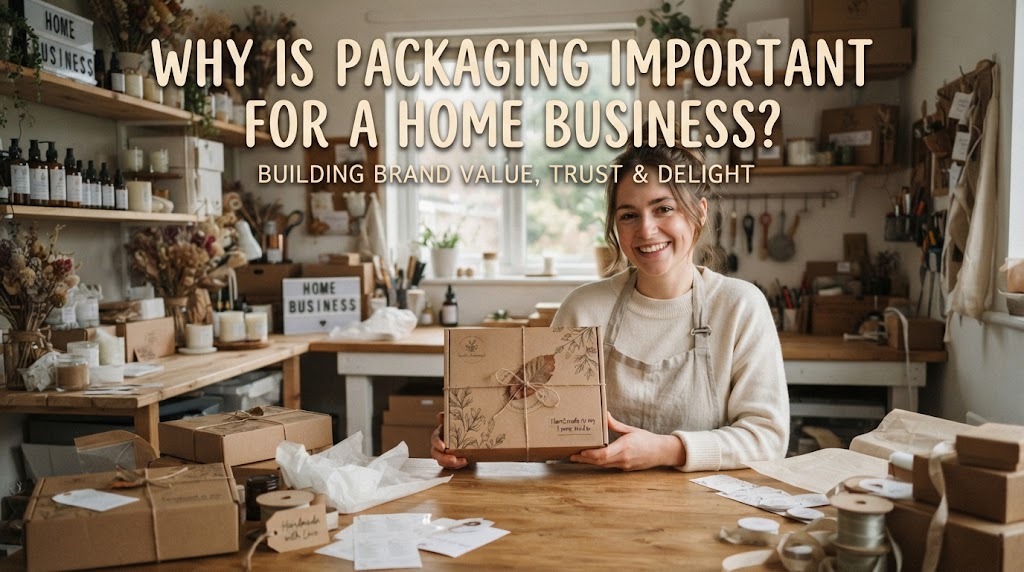
Packaging is an important part of a home business because it protects products while also influencing how customers view them. Good packaging can help prevent damage, contamination, leakage, or other problems during storage and delivery. It can also make a product look more professional and easier to recognize. For small businesses, packaging can become part of the product experience and brand identity.
PROTECT THE PRODUCT
The primary function of packaging is to protect the product from damage. Suitable packaging can help protect food, handmade products, cosmetics, household items, and other goods from dust, moisture, impact, or contamination, depending on the product. The packaging should be selected according to the product's physical characteristics and storage requirements. A package that is too weak may increase the risk of damaged goods reaching customers.
Protection is especially important for products that are delivered to customers. Sellers should consider how the package will be handled during transportation and choose appropriate materials. For food products, hygiene and suitable food contact materials are particularly important. Effective product protection can reduce complaints and replacement costs.
CREATE A PROFESSIONAL APPEARANCE
Packaging can influence a customer's first impression of a product. A clean, neat, and appropriately designed package can make a home business appear more professional. Simple elements such as a logo, product name, label, and consistent design can help create a recognizable appearance. However, attractive packaging does not need to be expensive.
The design should match the type of product and target customers. Excessive decoration may increase costs without providing meaningful benefits. Focus on clear information, practical design, and suitable materials. A professional product presentation can help customers feel more confident about their purchase.
SUPPORT BRAND RECOGNITION
Packaging can become an effective tool for building brand identity. Consistent use of a business name, logo, typography, or other visual elements can make products easier to recognize. Customers who repeatedly see the same packaging may become more familiar with the business. This can be particularly useful when products are promoted through social media.
Branding should remain consistent across packaging and other customer touchpoints when possible. The information should also be easy to read and not hidden by excessive design elements. A recognizable package can help distinguish a small business from similar products. Over time, consistent branding can support customer recognition.
PROVIDE IMPORTANT PRODUCT INFORMATION
Packaging can communicate information that customers need before using or purchasing a product. Depending on the product, this may include ingredients, weight, instructions, storage information, production details, warnings, or expiration information. Accurate information can help customers use products safely and appropriately. Certain products may also be subject to specific labeling or regulatory requirements.
Business owners should make sure the information is accurate and easy to read. Avoid making claims that cannot be supported by the product or applicable evidence. For food and other regulated products, owners should understand the labeling requirements that apply to their products and location. Clear product information can improve customer confidence.
CONTROL PACKAGING COSTS
Good packaging does not mean choosing the most expensive materials. Home business owners should consider product protection, material costs, practicality, storage, and customer expectations when selecting packaging. The cost of packaging should be included when calculating the product's selling price. Buying materials in suitable quantities may reduce unit costs, but excessive purchasing can create unnecessary inventory.
Businesses can also consider packaging materials that are efficient and appropriate for the product. Avoid using oversized packaging when smaller packaging can provide adequate protection. Review customer feedback to determine whether packaging is practical and secure. Effective packaging management can balance product quality with business costs.
CONCLUSION
Packaging is important for a home business because it protects products, improves presentation, supports branding, and provides useful information to customers. Good packaging should be appropriate for the product rather than simply attractive or expensive. Business owners should consider quality, safety, cost, practicality, and customer expectations when selecting packaging materials. Clear labels and consistent visual elements can also help strengthen customer trust and brand recognition. With thoughtful packaging choices, a home business can improve the overall customer experience while keeping operating costs under control.
Tentang Penulis
Gusti Ayu Tita P
Penulis — Universitas STEKOM
Penulis aktif yang berfokus pada isu-isu akademik, teknologi pendidikan, dan pengembangan sumber daya manusia di lingkungan kampus.















