Why Is the Hedonistic Lifestyle Becoming More Popular in the Social Media Era?
Gusti Ayu Tita P
8 September 2026
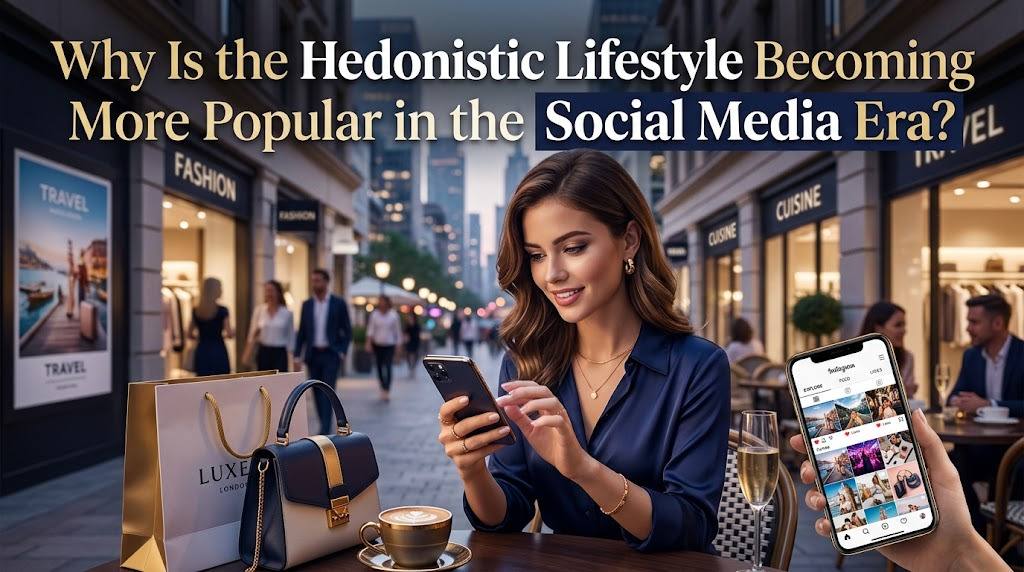
The hedonistic lifestyle has become increasingly visible among young people in the digital era. Social media allows people to see different lifestyles, trends, products, and entertainment almost instantly. This exposure can influence how individuals define happiness, success, and social acceptance. Although enjoying life is a natural part of being human, excessive focus on pleasure and consumption can create problems when it affects financial stability, priorities, and long-term goals.
UNDERSTANDING THE HEDONISTIC LIFESTYLE
A hedonistic lifestyle refers to a pattern of living in which pleasure, comfort, entertainment, and personal satisfaction receive significant attention. People may express this lifestyle through frequent shopping, expensive dining, traveling, entertainment, or regularly purchasing trending products. These activities are not necessarily negative because recreation and enjoyment are important parts of a balanced life. The concern begins when a person repeatedly prioritizes immediate pleasure over responsibilities and future needs.
In the social media era, hedonism can become more visible because people constantly share selected parts of their lives online. Photos of vacations, fashionable outfits, restaurants, concerts, and new gadgets can make certain lifestyles appear highly desirable. Young people may then compare their lives with what they see on social platforms. This can encourage consumer behavior based on appearance, trends, and social recognition rather than actual needs.
SOCIAL MEDIA MAKES LIFESTYLE TRENDS EASIER TO FOLLOW
One major reason the hedonistic lifestyle is becoming more popular is the rapid spread of lifestyle trends through social media. A restaurant, fashion item, travel destination, or entertainment activity can become popular within a short period because users share their experiences online. Young people can immediately discover what is considered attractive or fashionable by their social circles. This creates an environment where following trends may feel like an important part of modern social life.
Social media also reduces the distance between consumers and products. Users can discover a product in a video and purchase it through an online store within minutes. Short videos, recommendations, advertisements, and promotional content can make consumption feel entertaining rather than simply transactional. As a result, purchasing something can become part of the online experience itself, increasing the possibility of impulsive decisions.
THE INFLUENCE OF SOCIAL COMPARISON
Social comparison is another important factor behind the popularity of hedonistic behavior. People naturally compare themselves with others, but social media can increase the frequency of these comparisons. Users may repeatedly see friends, influencers, or public figures displaying attractive lifestyles. Even when the content represents only a small part of someone's real life, it can create the impression that others are happier, more successful, or more financially comfortable.
This situation can create pressure to maintain a similar appearance. Someone may purchase expensive clothes, visit popular locations, or spend more money on entertainment simply to avoid feeling left behind. The desire to appear successful can therefore influence spending habits. When personal value becomes connected to what someone owns or displays online, consumption can become a way of seeking social approval.
THE ROLE OF FOMO IN MODERN CONSUMPTION
FOMO or fear of missing out is strongly connected to modern social media behavior. When young people continuously see others participating in events, purchasing products, traveling, or following new trends, they may worry about missing an important experience. This feeling can encourage them to participate even when the activity is outside their budget or not genuinely important to them.
FOMO can also make temporary trends feel more urgent. Limited-time promotions, exclusive products, popular events, and viral challenges can create a sense that action must be taken immediately. This reduces the opportunity to consider whether a purchase is truly necessary. Over time, repeated FOMO-driven decisions can contribute to excessive spending and make it harder to maintain healthy financial habits.
DIGITAL TECHNOLOGY MAKES CONSUMPTION MORE CONVENIENT
The development of digital technology and online shopping has made consumer activities faster and easier. People no longer need to visit physical stores to purchase clothing, food, gadgets, or entertainment services. Mobile applications, digital payments, and personalized recommendations allow consumers to make transactions at almost any time. This convenience can be beneficial, but it may also encourage frequent purchases.
Another important factor is the use of digital marketing. Online platforms can display advertisements based on users' interests and previous activities. A person who frequently searches for fashion, travel, or electronic products may continue receiving related recommendations. Continuous exposure can increase product awareness and sometimes create new desires that did not exist before. Therefore, easy access and targeted marketing can contribute to the growth of hedonistic consumption.
THE IMPACT ON YOUNG PEOPLE'S FINANCIAL HABITS
The popularity of hedonistic behavior can influence financial management among young people. Spending money on entertainment and lifestyle experiences is reasonable when it fits within a person's income and financial plan. Problems can develop when spending becomes more frequent than saving or when people purchase things mainly because they are trending. Small purchases may seem harmless, but repeated spending can become significant over time.
Young people can reduce these risks by developing basic financial literacy. Creating a budget, separating needs from wants, setting savings goals, and considering future expenses can help maintain better financial control. It is also useful to pause before making an impulsive purchase and ask whether the item provides meaningful value. These simple habits allow people to enjoy modern lifestyles without allowing consumption to control their financial decisions.
CONCLUSION
The growing popularity of the hedonistic lifestyle in the social media era is influenced by several connected factors, including social comparison, FOMO, digital marketing, online shopping, and the rapid spread of lifestyle trends. Social media does not automatically make people hedonistic, but it can increase exposure to consumption-oriented lifestyles and make certain behaviors appear normal. The convenience of digital technology can further encourage frequent and spontaneous spending.
Enjoying life is not something that young people need to avoid. The important point is maintaining balance between present enjoyment and future responsibility. By developing financial awareness, controlling impulsive spending, and becoming more critical of social media content, young people can enjoy trends and experiences without sacrificing their financial goals. A healthy lifestyle is ultimately not about avoiding pleasure, but about making responsible choices that support both present happiness and future stability.
Tentang Penulis
Gusti Ayu Tita P
Penulis — Universitas STEKOM
Penulis aktif yang berfokus pada isu-isu akademik, teknologi pendidikan, dan pengembangan sumber daya manusia di lingkungan kampus.