Why Is Trail Condition Important for Hikers?
Gusti Ayu Tita P
1 September 2026
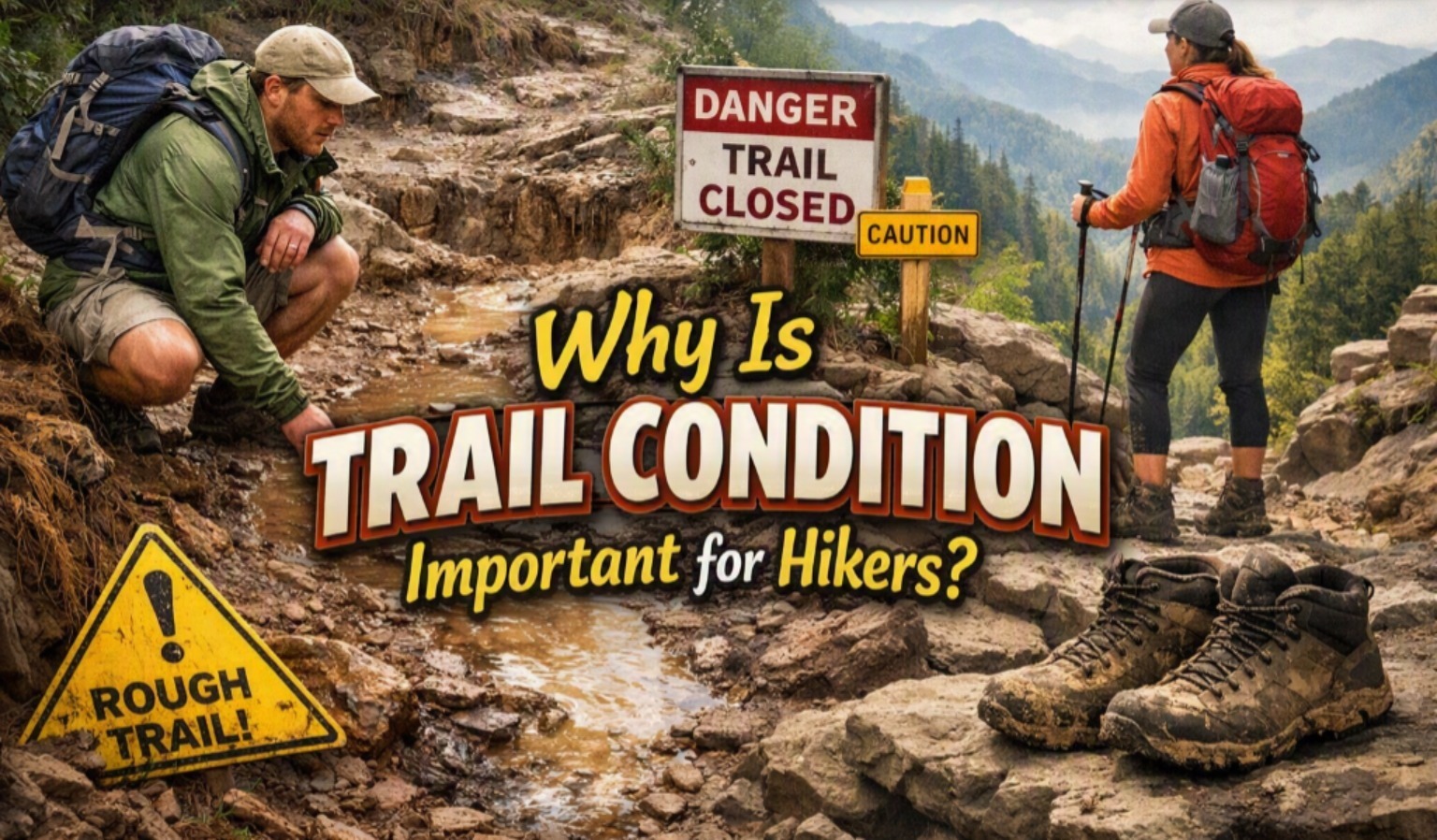
Trail condition is one of the most important factors hikers should consider before and during a hike. The condition of a trail can affect safety, walking difficulty, travel time, and overall hiking comfort. A path that looks easy in dry weather may become slippery, muddy, or dangerous after heavy rain. Understanding trail conditions helps hikers prepare properly and make better decisions in the mountains.
TRAIL CONDITION AFFECTS HIKING SAFETY
Trail condition directly affects hiker safety because different surfaces create different risks. A dry and stable path is generally easier to walk on, while muddy, rocky, wet, or uneven trails can increase the possibility of slipping and falling. Steep sections may also become more difficult when the ground is loose or covered with wet leaves. Hikers should therefore check the latest trail information before starting their journey.
Good preparation can reduce unnecessary risks on the trail. Hikers should wear appropriate footwear with good traction and adjust their walking speed according to the terrain. Using trekking poles can also provide additional balance on slippery or uneven sections. If trail conditions become too dangerous, turning back can be a safer decision than continuing toward the summit.
TRAIL CONDITIONS INFLUENCE HIKING DIFFICULTY
The same hiking route can feel very different depending on its current condition. A relatively easy trail can become challenging when there is heavy rain, mud, fallen trees, loose rocks, or damaged sections. These obstacles require more energy and concentration, especially on steep terrain. As a result, hikers may need more time to complete a route than the estimated duration under normal conditions.
Trail difficulty should not be judged only by distance. Elevation gain, surface quality, weather, and obstacles can significantly influence physical effort. Hikers should consider these factors when choosing a route, particularly if they are beginners. Selecting a trail that matches their fitness level and experience can make the hiking experience safer and more enjoyable.
WEATHER CAN CHANGE TRAIL CONDITIONS
Weather is one of the main factors that can change trail conditions quickly. Heavy rain can create mud, increase water flow, and make rocks and roots slippery. Strong winds may also cause branches or trees to fall across the trail, while dry periods can create dusty or loose surfaces. Because mountain weather can change rapidly, hikers should remain prepared for changing terrain throughout the journey.
Checking the weather forecast before hiking is an important part of preparation. However, hikers should also pay attention to recent weather conditions, because rainfall from previous hours or days may still affect the trail. When conditions deteriorate significantly, hikers should consider delaying the trip or choosing a safer route. This approach helps prevent avoidable accidents caused by unexpected terrain changes.
TRAIL CONDITION AFFECTS EQUIPMENT CHOICES
Knowing the trail condition allows hikers to choose equipment that matches the terrain. For muddy or wet trails, waterproof clothing and footwear with strong grip can provide better protection and stability. Rocky routes may require sturdy hiking shoes, while longer or more challenging trails may benefit from trekking poles and properly fitted backpacks. Carrying the right equipment can make movement more comfortable and reduce physical strain.
Equipment should also be selected according to the expected weather and duration of the hike. A rain jacket, extra clothing, sufficient water, navigation tools, and basic first aid supplies can be useful when conditions are uncertain. Hikers should avoid carrying unnecessary items because excessive weight can increase fatigue. Proper preparation means bringing equipment that supports safety without creating an excessive load.
CHECK TRAIL INFORMATION BEFORE HIKING
Hikers should gather up-to-date trail information before entering a hiking route. Information from park authorities, mountain management offices, local guides, or experienced hikers can provide useful details about closures, damaged paths, landslides, and current weather conditions. Some routes may also have temporary restrictions because of maintenance, natural hazards, or environmental protection measures. Checking official information is especially important for unfamiliar destinations.
It is also useful to understand the route before leaving. Hikers should know the distance, elevation gain, estimated hiking time, water sources, rest areas, and possible hazards. Sharing the hiking plan with someone who is not joining the trip can provide an additional safety measure. With better information, hikers can prepare realistically and avoid relying only on assumptions about the trail.
KNOW WHEN TO TURN BACK
Understanding trail conditions also helps hikers recognize when continuing is no longer safe. Severe weather, unstable ground, rising water, landslides, or serious physical exhaustion can all be reasons to stop or turn back. Reaching the summit should never be more important than personal safety. Experienced hikers understand that changing plans is sometimes the best decision.
Hikers should pay attention to warning signs from their surroundings and their own physical condition. If visibility becomes poor or the trail becomes difficult to identify, continuing without proper navigation can increase the risk of getting lost. Safety should always come before reaching a destination. A successful hike is not simply about completing the route but also about returning safely.
CONCLUSION
Trail condition is important for hikers because it directly influences safety, difficulty, equipment needs, and travel time. Conditions can change because of weather, natural events, and trail damage, so hikers should not rely only on information from previous trips. Checking current trail and weather information allows hikers to prepare more effectively. Choosing suitable equipment and adjusting walking speed can also reduce unnecessary risks.
Most importantly, hikers should remain flexible and responsible throughout the journey. Recognizing dangerous conditions and turning back when necessary is an essential part of safe hiking. By understanding trail conditions before and during a hike, both beginners and experienced hikers can enjoy the outdoors with greater confidence and awareness.
Tentang Penulis
Gusti Ayu Tita P
Penulis — Universitas STEKOM
Penulis aktif yang berfokus pada isu-isu akademik, teknologi pendidikan, dan pengembangan sumber daya manusia di lingkungan kampus.