
Why Is Understanding Fingerprint Technology Important for Digital Workers?
Gusti Ayu Tita P
14 September 2026
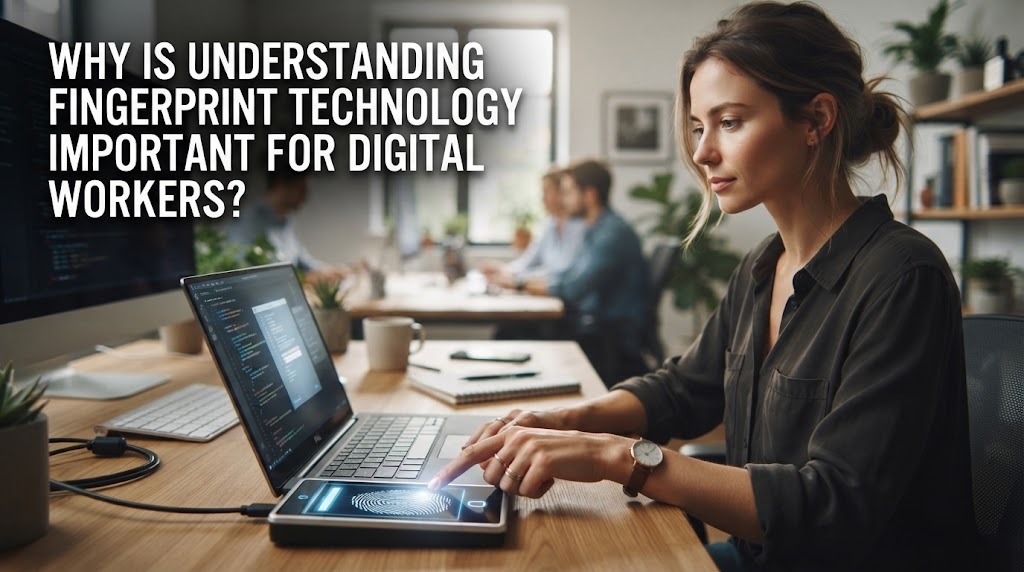
Technology plays an important role in modern workplaces, especially for people who work with digital systems. One technology that is increasingly used is fingerprint technology. It can support employee attendance, identity verification, access control, and workplace security. Digital Workers may interact with fingerprint systems as part of their daily activities. Understanding how this technology works can help employees use digital workplace tools more effectively and responsibly.
BASIC KNOWLEDGE OF FINGERPRINT TECHNOLOGY
Fingerprint technology uses unique patterns on a person's fingertips to identify or verify an individual. A fingerprint scanner captures the pattern and processes specific features for comparison. The system then checks the captured information against registered biometric data. If the information matches, the system can confirm the user's identity.
Understanding this basic process helps digital workers recognize how Biometric Technology is used in everyday workplace systems. Employees can learn why correct finger placement and proper scanning procedures are important. They can also understand why biometric information requires careful protection. Basic knowledge makes it easier for employees to use fingerprint systems correctly.
SUPPORTING DIGITAL ATTENDANCE
Many workplaces use fingerprint scanners to record employee attendance electronically. Employees can scan their registered fingers when arriving and leaving the workplace. The system records information such as the date and time of the successful scan. This process reduces the need for handwritten attendance records.
Digital workers who understand the system can record attendance more accurately. They will know how to position their fingers and what to do when a scan fails. They can also report technical problems to the appropriate staff instead of repeatedly attempting an unsuccessful scan. This can help maintain accurate attendance records and reduce administrative problems.
IMPROVING WORKPLACE SECURITY
Fingerprint technology can help protect offices and digital resources by controlling access. Certain rooms, computers, or systems may require biometric verification before access is granted. This allows organizations to restrict important resources to authorized users. Digital workers may encounter these security systems when accessing workplace facilities or equipment.
Understanding Fingerprint Security helps employees recognize the importance of following access procedures. They can become more aware of why biometric authentication is used instead of shared passwords or access cards. Employees should also avoid allowing unauthorized people to use their verified access. Good security habits can strengthen the protection provided by biometric systems.
PROTECTING BIOMETRIC INFORMATION
Fingerprint information is personal biometric data that requires responsible handling. Digital workers should understand that biometric information should not be shared carelessly with other people. Companies need to protect stored fingerprint data through appropriate security measures. Employees should also follow workplace policies regarding biometric data collection and use.
Biometric Data Protection is important because fingerprints are physical characteristics that cannot simply be changed like passwords. Unauthorized access to biometric information can create privacy and security concerns. Digital workers should therefore understand the importance of secure systems and limited data access. Responsible behavior can help protect both employees and organizations.
BUILDING DIGITAL WORK SKILLS
Understanding fingerprint technology can improve a digital worker's general technology awareness. Employees can become more familiar with biometric authentication, digital databases, sensors, and electronic security systems. This knowledge can be useful when working with other digital tools and workplace technologies. It also encourages employees to become more adaptable as technology continues to develop.
Digital Skills are increasingly important in modern working environments. Employees who understand basic digital systems can solve simple problems more confidently and communicate technical issues more clearly. Knowledge of fingerprint technology is one example of how workers can adapt to digital workplace requirements. Continuous learning can help employees remain prepared for future technological changes.
CONCLUSION
Understanding fingerprint technology is important for digital workers because it supports attendance, security, identity verification, and responsible use of biometric data. Knowledge of the technology can help employees operate fingerprint systems correctly and respond to common problems. It can also increase awareness of workplace security and personal data protection. Digital workers should continue developing their technology skills as workplaces become more dependent on digital systems. A good understanding of fingerprint technology can help employees work more efficiently, securely, and responsibly.
Tentang Penulis
Gusti Ayu Tita P
Penulis — Universitas STEKOM
Penulis aktif yang berfokus pada isu-isu akademik, teknologi pendidikan, dan pengembangan sumber daya manusia di lingkungan kampus.



