
Why Paying Vehicle Tax On Time Is Important?
Gusti Ayu Tita P
7 September 2026
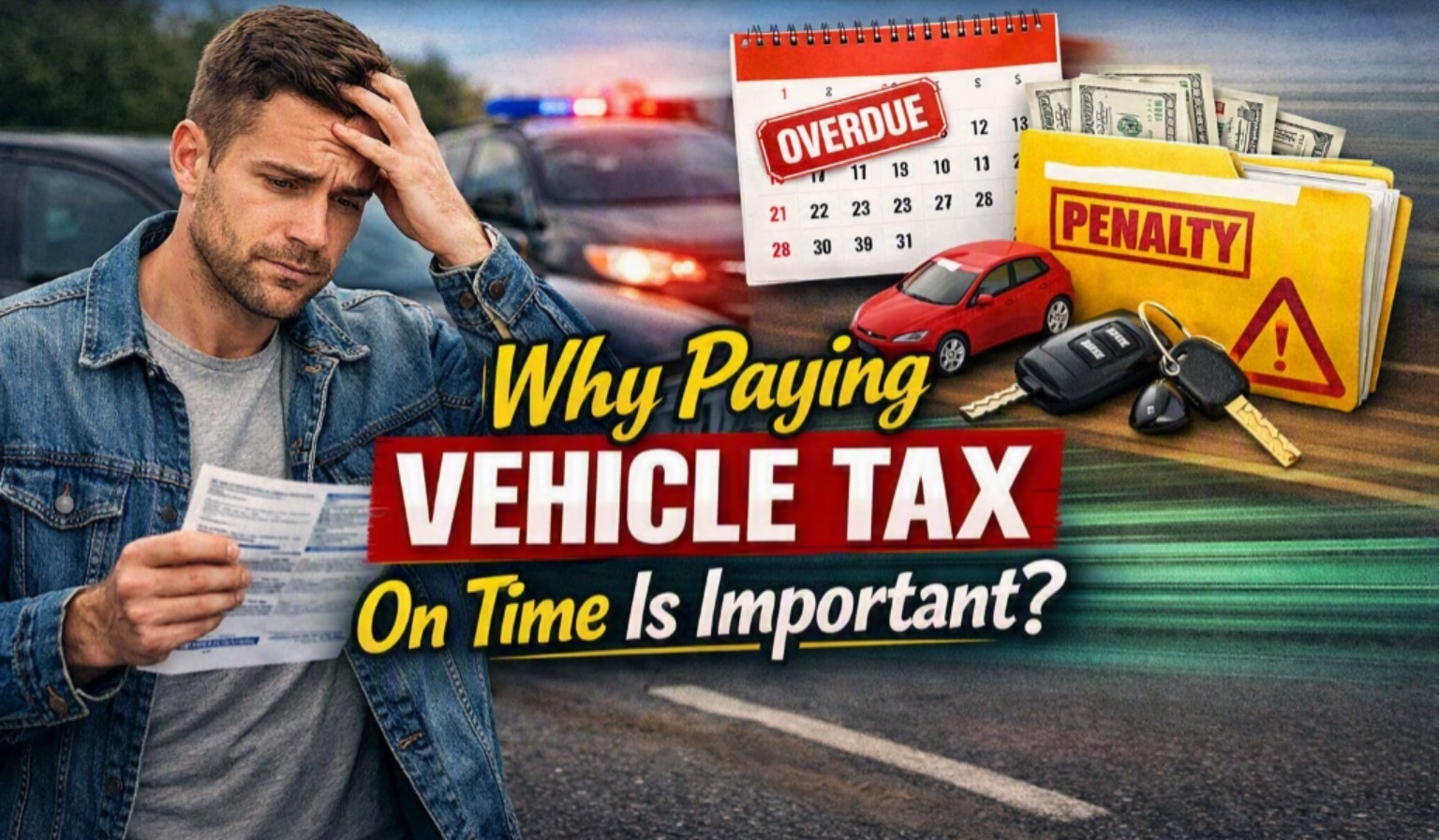
Vehicle tax is a legal obligation for many vehicle owners and must be paid according to the rules that apply in their area. Although the payment may seem like a routine expense, paying vehicle tax on time can help vehicle owners avoid several unnecessary problems. Late payment may result in penalties, additional costs, or administrative difficulties, depending on local regulations. Keeping tax payments up to date also makes it easier to maintain valid vehicle documents. For these reasons, understanding the importance of timely vehicle tax payment is an essential part of responsible vehicle ownership.
WHAT IS VEHICLE TAX?
Vehicle tax is a tax imposed on the ownership or use of a motor vehicle according to the laws and regulations of a particular jurisdiction. The amount and payment schedule can vary depending on factors such as the type of vehicle, vehicle value, engine capacity, location, and applicable regulations. Some regions may also require additional fees or charges alongside the main vehicle tax. Because tax systems differ between countries and regions, vehicle owners should check the requirements of the relevant government authority. Understanding these obligations helps prevent mistakes and missed payment deadlines.
Vehicle tax should also be distinguished from other vehicle-related costs. Registration fees, insurance premiums, inspection charges, and parking fees may be separate obligations and are not necessarily included in vehicle tax. Knowing the difference can help owners manage their transportation expenses more accurately. Vehicle owners should keep their payment receipts and official documents in a safe place. These records can be useful when completing future administrative processes.
PREVENTING LATE PAYMENT PENALTIES
One of the main reasons to pay vehicle tax on time is to avoid late payment penalties. When a tax deadline is missed, the relevant authority may impose an additional charge according to the applicable rules. Even a relatively small penalty can increase the total amount that a vehicle owner needs to pay. Repeatedly delaying payment can also make the financial burden more difficult to manage. Paying before the deadline helps owners avoid these unnecessary expenses.
Timely payment also makes financial planning easier. Vehicle owners can include their annual or periodic tax obligations in their regular budget instead of dealing with an unexpected additional charge. Setting a reminder before the due date is a simple way to prevent accidental delays. Digital calendars, banking applications, or official government services may help owners remember payment schedules where available. This small habit can make vehicle ownership more organized and predictable.
KEEPING VEHICLE DOCUMENTS UP TO DATE
Paying vehicle tax on time can help ensure that vehicle-related administrative records remain current. In many jurisdictions, tax payments are connected with vehicle registration or other official records. If an owner allows required payments to remain overdue, certain administrative processes may become more complicated. The exact consequences depend on the local system and should be confirmed with the responsible authority. Keeping payments current therefore supports smoother vehicle administration.
Up-to-date documents can be particularly useful when an owner needs to complete an official transaction involving the vehicle. Processes such as renewing registration, transferring ownership, or handling other vehicle documentation may require evidence that relevant obligations have been fulfilled. Requirements differ by jurisdiction, so vehicle owners should check the specific conditions before starting a transaction. Maintaining complete records can also reduce the risk of having to make additional visits or submit missing documents. Timely tax payment is therefore one part of maintaining proper vehicle documentation.
AVOIDING PROBLEMS DURING VEHICLE TRANSACTIONS
A vehicle with overdue tax obligations may create complications when the owner wants to sell, transfer, or update its official records. Depending on local regulations, outstanding payments may need to be settled before certain transactions can be completed. Buyers may also be more comfortable purchasing a vehicle when its tax and registration records are clear. This makes timely payment useful not only for current ownership but also for future plans involving the vehicle.
Before selling a vehicle, owners should check whether there are outstanding taxes, penalties, or other administrative obligations. Resolving these issues early can make the transaction more straightforward. Owners should also retain official proof of payment when required. Clear documentation can help demonstrate that relevant obligations have been handled properly. As a result, staying current with vehicle tax can support a smoother ownership transfer process.
SUPPORTING RESPONSIBLE VEHICLE OWNERSHIP
Paying vehicle tax on time reflects responsible vehicle ownership. Taxes collected by governments can contribute to public services and infrastructure according to the laws and budget systems of each jurisdiction. Vehicle owners therefore participate in the system by fulfilling their legal tax obligations. However, the specific use of vehicle tax revenue varies between regions and should not be assumed to be identical everywhere. The most important point is that owners meet their responsibilities according to the applicable law.
Responsible ownership also involves more than paying taxes. Vehicle owners should maintain their vehicles properly, keep required documents valid, follow traffic regulations, and maintain any legally required insurance. Regular maintenance and legal compliance can improve safety and reduce problems in the future. Treating tax payments as part of routine vehicle management makes ownership easier to organize. Good habits can also prevent avoidable costs caused by missed deadlines or incomplete documentation.
HOW TO MAKE VEHICLE TAX PAYMENTS EASIER?
Vehicle owners can make timely payment easier by checking the tax due date in advance. Instead of waiting until the deadline, owners can prepare the required documents and funds several days or weeks earlier. Where available, official online payment services can make the process more convenient. However, owners should use trusted government channels and verify the payment information before completing a transaction. Keeping the payment confirmation is also recommended for future reference.
Another useful approach is to create a vehicle tax reminder that repeats according to the required payment schedule. Owners can also set aside a small amount of money regularly so the tax does not become a sudden financial burden. If a payment deadline has already passed, it is better to check the official rules and settle the obligation as soon as possible. The owner should confirm the total amount due, including any applicable penalty or additional charge. These simple steps can reduce the risk of missed payments and administrative complications.
CONCLUSION
Paying vehicle tax on time is important because it helps vehicle owners avoid late penalties, maintain current records, and reduce administrative difficulties. It can also make future vehicle transactions easier when proof of tax compliance is required. Timely payment supports better financial planning because owners can prepare for the expense instead of facing unexpected additional charges. Since vehicle tax rules differ by country and region, owners should always follow information from the relevant official authority. By making tax payment a regular part of vehicle management, owners can maintain their obligations and enjoy a more organized ownership experience.
Tentang Penulis
Gusti Ayu Tita P
Penulis — Universitas STEKOM
Penulis aktif yang berfokus pada isu-isu akademik, teknologi pendidikan, dan pengembangan sumber daya manusia di lingkungan kampus.