Why Should Mountain Kids Understand Mountain Weather?
Gusti Ayu Tita P
22 September 2026
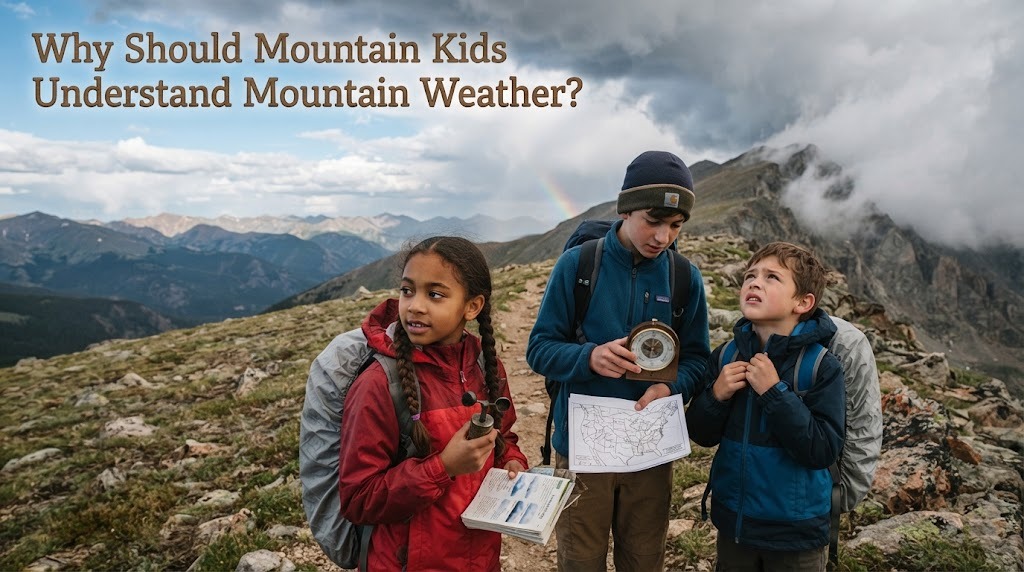
Mountain weather can be different from the weather in nearby lowland areas. For mountain kids, understanding mountain weather is important because conditions can change quickly during a hike. Rain, strong winds, low temperatures, fog, and reduced visibility can affect the safety and comfort of hikers. Knowing how to respond to changing conditions helps hikers make more responsible decisions.
WEATHER CAN CHANGE QUICKLY
One important reason to understand mountain weather is that conditions can change rapidly. A sunny morning can be followed by clouds, rain, or strong winds later in the day. Higher elevations may also have different conditions from areas at lower elevations. Because of these changes, hikers should not rely only on the weather they see when starting the journey.
Mountain kids should check a reliable weather forecast before hiking and continue paying attention to conditions during the trip. They should also consider warnings and local information when available. If the weather becomes significantly worse, changing the route or turning back may be necessary. Being prepared for change can reduce unnecessary risks.
MOUNTAIN WEATHER AFFECTS HIKING SAFETY
Weather conditions can directly affect trail safety. Rain can make rocks, roots, and soil slippery, while strong winds can make exposed areas more dangerous. Fog can reduce visibility and make navigation more difficult. Hot weather can also increase the risk of dehydration and exhaustion.
Understanding these conditions helps mountain kids decide how to adjust their hiking pace and plans. They may need to take more breaks, use additional protective clothing, or avoid certain exposed sections. If conditions become unsafe, hikers should prioritize getting to a safer location. Weather awareness is therefore an important part of responsible hiking.
RAIN CAN CREATE EXTRA RISKS
Rain is common in some mountain environments and can create several challenges. Wet trails may become slippery and muddy, making it harder to maintain balance. Heavy rainfall can also increase the possibility of falling branches, flowing water, or sudden changes in trail conditions. Hikers should be especially careful when crossing streams or walking near steep slopes.
Mountain kids should bring appropriate rain protection when wet weather is possible. They should protect important items such as phones, maps, and spare clothing from getting wet. If rainfall becomes heavy or conditions become dangerous, stopping or turning back may be safer. Continuing simply to reach the destination can increase unnecessary risk.
WIND AND COLD TEMPERATURES MATTER
Temperatures can become lower as elevation increases, and strong wind can make conditions feel even colder. Mountain kids should understand the importance of wearing suitable layers and protecting the body from cold conditions. Wet clothing can also make the body lose heat more quickly. These factors can become serious concerns during long hikes.
Hikers should bring clothing appropriate for the expected conditions and avoid underestimating the cold. Extra layers and weather protection can be useful when temperatures change unexpectedly. If someone begins showing signs of becoming dangerously cold, the group should respond promptly and seek appropriate safety measures. Understanding cold weather can help prevent avoidable problems.
FOG CAN REDUCE VISIBILITY
Fog is another weather condition that mountain kids should understand. Thick fog can make it difficult to see trail markers, signs, and surrounding terrain. This can increase the possibility of losing the route, especially in unfamiliar areas. Fog can also make steep or exposed sections harder to navigate safely.
When visibility becomes poor, hikers should slow down and stay together. They can use reliable navigation tools and avoid moving quickly through unfamiliar terrain. If the route cannot be followed safely, stopping in a suitable location or returning to a known point may be necessary. Good decisions become especially important when visibility is limited.
WEATHER AFFECTS EQUIPMENT CHOICES
Understanding mountain weather can help hikers choose the right equipment. For example, rainy conditions may require waterproof clothing, while colder temperatures may require additional layers. A headlamp can also be important if poor weather or delays affect daylight. The equipment needed depends on the route, season, expected conditions, and duration of the hike.
Mountain kids should check their equipment before leaving. They should make sure important items are protected from water and easy to access. Navigation tools, communication devices, first aid supplies, and emergency items should be packed carefully. Preparing equipment based on weather conditions can make unexpected situations easier to manage.
WEATHER HELPS HIKERS MAKE BETTER DECISIONS
Understanding weather is not only about knowing whether it will rain. It helps mountain kids make better decisions before and during the hike. They can choose an appropriate route, start at a suitable time, plan rest periods, and decide when conditions require a change of plan. This can make the entire hiking experience more organized.
Responsible hikers understand that turning back is sometimes the safest decision. Reaching a summit is not more important than protecting the health and safety of the group. Weather conditions can change beyond what was expected, even after careful preparation. Staying flexible allows hikers to respond more safely to unexpected conditions.
CONCLUSION
Mountain kids should understand mountain weather because it can affect safety, comfort, navigation, equipment, and hiking decisions. Rain, wind, cold temperatures, and fog can create different challenges that hikers need to recognize. Checking reliable forecasts and observing changing conditions can help hikers prepare and respond appropriately. With good weather awareness, mountain kids can enjoy outdoor activities while making safer and more responsible choices.
Tentang Penulis
Gusti Ayu Tita P
Penulis — Universitas STEKOM
Penulis aktif yang berfokus pada isu-isu akademik, teknologi pendidikan, dan pengembangan sumber daya manusia di lingkungan kampus.