
Why Should Public Facilities Be Safe And Comfortable?
Gusti Ayu Tita P
18 September 2026
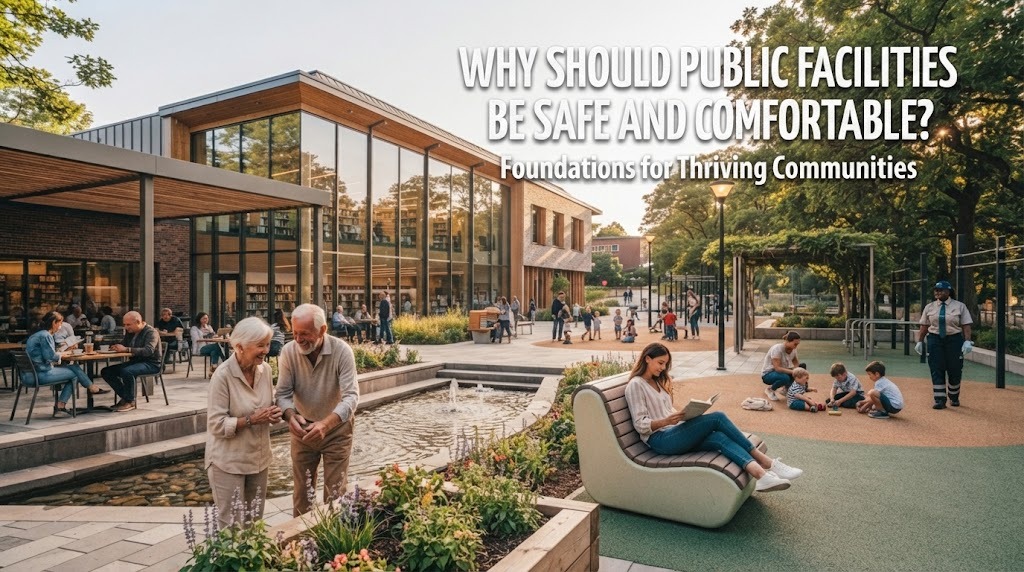
Public facilities are used by many people every day for different purposes. Roads, sidewalks, public transportation, parks, toilets, schools, and healthcare facilities should provide a safe and comfortable environment for their users. When these facilities are in good condition, people can complete their daily activities with fewer difficulties. Safe and comfortable facilities can also reduce unnecessary risks and create a better experience for the community. Therefore, safety and comfort are important qualities of well-managed public facilities.
PROTECTING USERS FROM ACCIDENTS
Public facilities need to be safe because they are used by people with different ages and physical abilities. Damaged sidewalks, slippery floors, broken stairs, or poorly maintained equipment can create risks of falls, injuries, and other accidents. Regular inspections can help identify problems before they cause harm. Facility managers should repair damaged areas and provide suitable safety signs when necessary. A safe facility helps users carry out their activities with fewer avoidable risks.
PROVIDING COMFORT FOR DAILY ACTIVITIES
Comfort makes public facilities easier and more pleasant to use. Clean spaces, suitable seating, good lighting, proper ventilation, and clear pathways can improve the experience of visitors. People may spend considerable time in places such as transportation stations, healthcare facilities, parks, and public service offices. If these spaces are uncomfortable, users may have difficulty completing their activities. For this reason, comfort should be considered together with basic safety when facilities are planned and maintained.
SUPPORTING EASY ACCESS
Public facilities should be accessible to as many people as possible. Ramps, safe sidewalks, handrails, accessible toilets, and suitable entrances can help people with different needs use shared spaces more independently. Older adults, children, and people with disabilities may face barriers when public facilities are difficult to access. Good accessibility can also make transportation, education, healthcare, and public services easier to reach. Accessible facilities create a more inclusive environment for the wider community.
MAINTAINING CLEANLINESS AND HYGIENE
Cleanliness is closely connected to comfort and public health. Clean toilets, waste bins, floors, seating areas, and shared equipment can create a more pleasant environment for users. Regular cleaning is especially important in places where many people gather or frequently touch the same surfaces. Facility managers should establish suitable cleaning and maintenance routines. At the same time, users should avoid littering and help keep shared areas clean. Clean public facilities provide a healthier and more comfortable environment for everyone.
BUILDING PUBLIC TRUST
The condition of public facilities can influence how people view their surroundings and public services. When facilities are safe, clean, functional, and well-maintained, users can feel that their needs are being considered. Broken or neglected facilities may create frustration and reduce people's willingness to use certain public spaces. Regular maintenance shows that shared infrastructure is being managed responsibly. Therefore, good facility management can contribute to greater public confidence in shared services and spaces.
SUPPORTING PRODUCTIVE ACTIVITIES
Safe and comfortable facilities can help people focus on their activities. Students need suitable learning environments, workers need reliable transportation, and patients need comfortable healthcare spaces. Well-functioning facilities reduce unnecessary obstacles that could interrupt these activities. Public spaces can also provide suitable places for exercise, recreation, and community activities. As a result, good facilities can support a more active and productive community.
EXTENDING FACILITY LIFESPAN
Safety and comfort are also connected to regular maintenance. Small problems can become more serious when they are ignored for a long time. Routine inspections, cleaning, repairs, and replacement of damaged parts can help facilities remain functional. Proper maintenance may also reduce the need for major repairs or early replacement. By taking care of facilities consistently, communities can protect public infrastructure and keep it useful for a longer period.
CREATING INCLUSIVE PUBLIC SPACES
A public facility should be designed with different users in mind. Children, older adults, people with disabilities, and other community members may have different requirements for safety and accessibility. Features such as clear signs, accessible pathways, adequate lighting, and suitable seating can help accommodate these differences. Inclusive facilities allow more people to participate in public life without facing unnecessary barriers. A comfortable public space should be welcoming and usable for a wide range of people.
CONCLUSION
Public facilities should be safe and comfortable because they support many important activities in community life. Safety reduces avoidable risks, while comfort makes facilities easier and more pleasant to use. Accessibility, cleanliness, regular maintenance, and inclusive design are also important elements of quality public facilities. Facility managers and users both have responsibilities in keeping shared spaces functional and well cared for. When public facilities are safe, comfortable, clean, and accessible, communities can benefit from a better environment for everyday life.
Tentang Penulis
Gusti Ayu Tita P
Penulis — Universitas STEKOM
Penulis aktif yang berfokus pada isu-isu akademik, teknologi pendidikan, dan pengembangan sumber daya manusia di lingkungan kampus.