Why Should Students Prepare Their Careers Before Graduation?
Gusti Ayu Tita P
3 September 2026
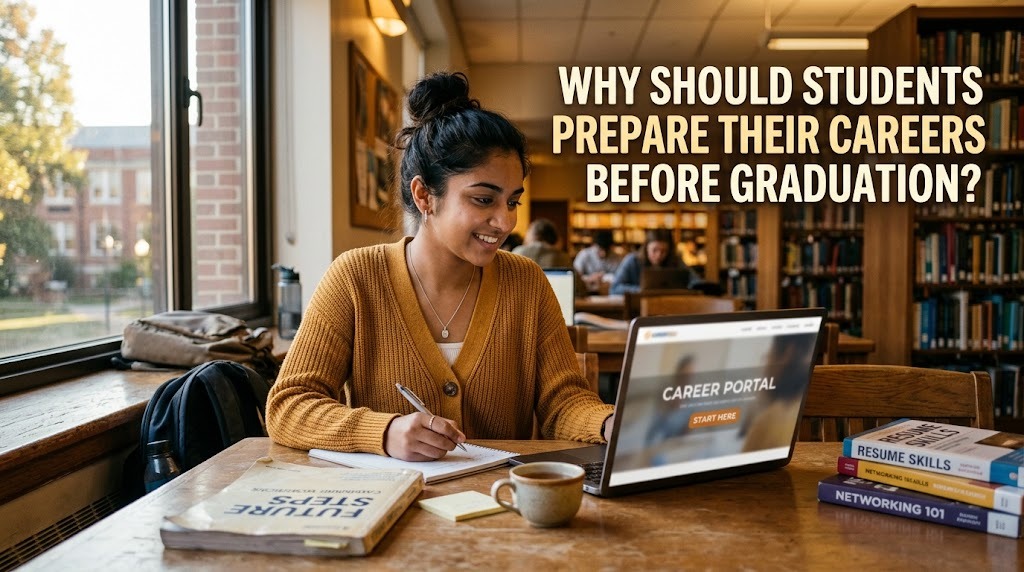
Preparing for a career before graduation can give students a stronger foundation for entering the professional world. Many students focus mainly on completing assignments and getting good grades, but career preparation involves more than academic achievement. Students also need to understand their interests, develop relevant skills, gain experience, and learn about potential career opportunities. Starting early gives them more time to discover what they want and improve areas that still need development. Therefore, career preparation before graduation can help students become more confident and ready for future employment.
HELPS STUDENTS UNDERSTAND THEIR CAREER GOALS
Career preparation allows students to identify the type of work they may want to pursue after graduation. They can explore different professions by researching industries, attending career events, talking with professionals, or participating in relevant activities. This process helps students understand whether their interests and abilities match their preferred career path. Clear career goals can also make it easier to decide which skills and experiences should be prioritized.
Students do not need to have their entire career planned at a young age. Career goals can change as students gain new knowledge and experiences. What matters is having a general direction and being willing to adjust it when necessary. Early exploration gives students more opportunities to make informed decisions instead of choosing a career without sufficient information.
BUILDS RELEVANT PROFESSIONAL SKILLS
The workplace requires a combination of technical and interpersonal abilities. Students can use their time before graduation to develop communication, teamwork, problem solving, digital, and time management skills. These abilities can be practiced through academic projects, student organizations, competitions, internships, and other activities. Developing skills gradually can make the transition from education to employment easier.
Students should focus on skills that are relevant to their desired careers. For example, students interested in marketing may benefit from learning about digital marketing, customer communication, content creation, and data analysis. Skill development becomes more effective when students combine theoretical knowledge with practical activities. This approach can also help them identify which abilities they enjoy using.
PROVIDES VALUABLE PRACTICAL EXPERIENCE
Practical experience can help students understand how professional environments actually work. Internships, part-time jobs, volunteer activities, freelance projects, and organizational experiences can provide opportunities to apply classroom knowledge. Students can learn about deadlines, workplace communication, teamwork, responsibility, and professional expectations. These experiences can also help students become more comfortable handling real tasks.
Practical experience can strengthen a student's resume and provide useful examples for job interviews. Instead of simply stating that they have certain skills, students can explain how they used those skills in actual situations. Relevant experience can demonstrate initiative and readiness to potential employers. Even small projects can be valuable if students can clearly describe what they learned and contributed.
HELPS STUDENTS BUILD A PROFESSIONAL NETWORK
Building professional relationships before graduation can create opportunities for learning and career development. Students can connect with teachers, mentors, industry professionals, alumni, and other people working in their areas of interest. Professional networking does not simply mean asking people for jobs. It involves developing genuine relationships, exchanging information, and learning from other people's experiences.
Students can build their network by attending seminars, workshops, career fairs, internships, and professional events. They can also maintain appropriate professional communication through online platforms. A strong network may provide information about industry trends, career opportunities, internships, or useful learning resources. Starting networking early gives students more time to develop meaningful professional relationships.
MAKES JOB APPLICATIONS EASIER
Preparing a career before graduation allows students to organize important documents and information in advance. They can create a professional resume, portfolio, cover letter, and professional profile based on their skills and experiences. Preparing these materials early gives students time to improve them rather than rushing when a job opportunity appears. They can also adjust their application documents to match different positions.
Students can also practice answering common interview questions before graduation. Interview preparation can help reduce nervousness and improve the ability to explain strengths, experiences, and career goals. Students should learn how to describe their achievements honestly and provide clear examples of their abilities. Being prepared can make the job application process more organized and manageable.
INCREASES CONFIDENCE AFTER GRADUATION
Entering the job market can feel difficult when students are uncertain about their abilities. Career preparation can help reduce this uncertainty by giving students skills, knowledge, experience, and a clearer career direction. When students know what they can offer, they may feel more comfortable applying for suitable positions. Confidence can also improve how they communicate during interviews and professional interactions.
However, professional confidence should not mean believing that there is nothing left to learn. Students should remain open to feedback and recognize areas where they need improvement. Confidence combined with a willingness to learn can help graduates adapt to new responsibilities. This mindset is especially useful during the early stages of a career.
HELPS STUDENTS ADAPT TO WORKPLACE CHANGES
The professional world continues to change because of technology, economic conditions, customer expectations, and new business practices. Students who prepare early can develop adaptability and continuous learning habits before entering full-time employment. They can learn new technologies, follow developments in their chosen industries, and improve their skills over time. These habits can make it easier to respond to changes in the workplace.
Students should also understand that their first job does not necessarily determine their entire career. Career paths can develop in different directions as people gain experience and discover new interests. Flexibility is an important part of career development because opportunities and professional goals can change. Preparing early helps students build a foundation that can support future adjustments.
REDUCES THE RISK OF UNPREPAREDNESS
Graduating without career preparation can make the transition to employment more challenging. Students may not know which positions match their abilities, lack practical experience, or feel unsure about how to present themselves to employers. Starting preparation before graduation gives students time to identify weaknesses and address them gradually. They can seek training, gain experience, and improve their application materials before actively looking for work.
Early preparation also allows students to learn from mistakes while they still have access to educational resources and guidance. They can ask teachers, mentors, or career advisors for feedback on their plans. Preparation creates opportunities to improve before facing real recruitment situations. As a result, students can approach the job market with better knowledge and greater readiness.
CONCLUSION
Students should prepare their careers before graduation because early preparation provides more time to develop skills, experience, professional networks, and career awareness. It can help students understand their goals while allowing them to explore different possibilities before making important decisions. Practical experience and professional preparation can also make job applications and interviews easier. Most importantly, students can build confidence while learning how to adapt to changes in the professional world. By starting early and improving consistently, students can make the transition from education to employment smoother and more purposeful.
Tentang Penulis
Gusti Ayu Tita P
Penulis — Universitas STEKOM
Penulis aktif yang berfokus pada isu-isu akademik, teknologi pendidikan, dan pengembangan sumber daya manusia di lingkungan kampus.