Why Tolerance Will Be One of the Most Important Values for the Future?
Gusti Ayu Tita P
14 Oktober 2026
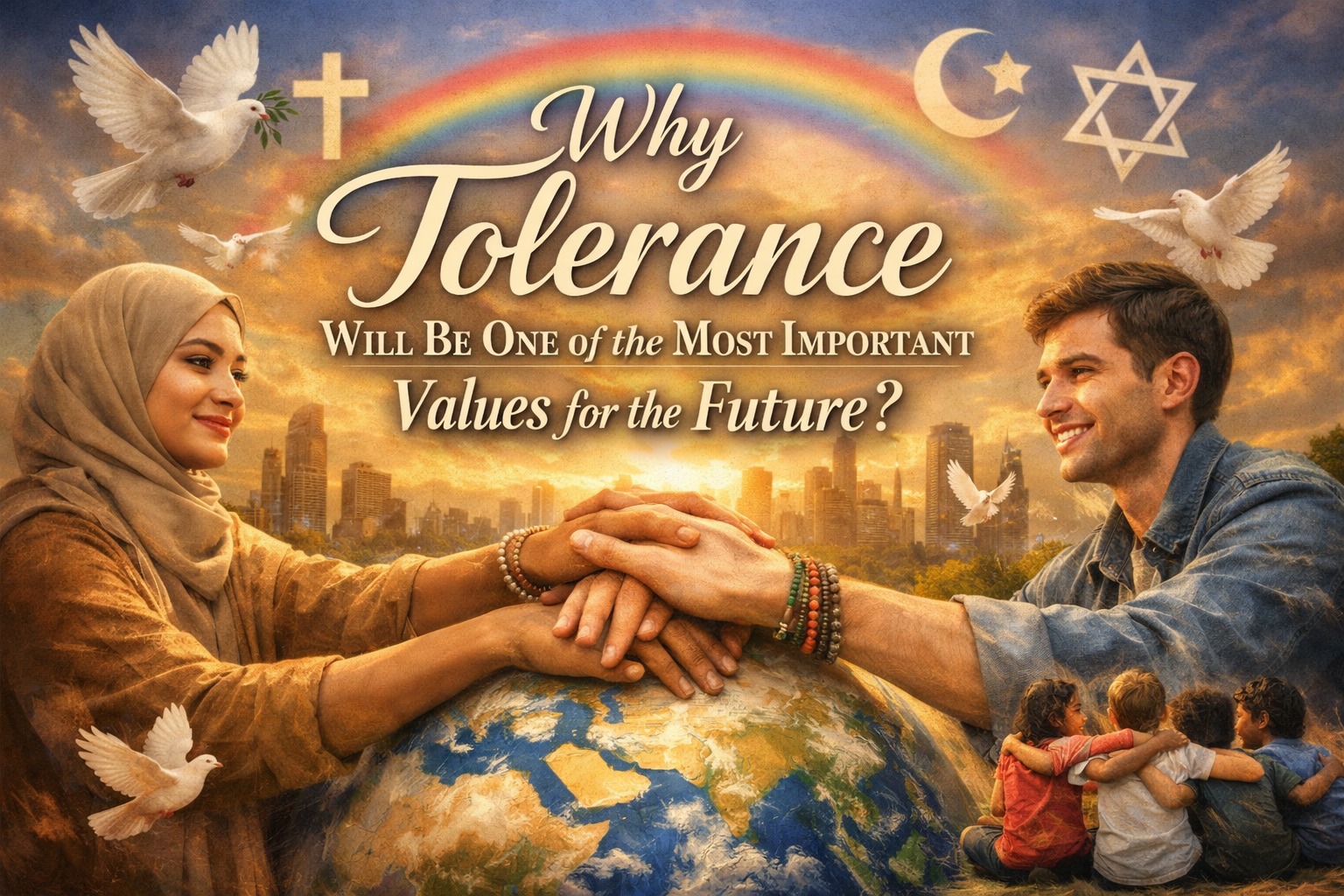
In an increasingly connected world, tolerance is becoming one of the most valuable qualities individuals and communities can develop. People from different cultures, beliefs, and backgrounds interact every day through technology, education, business, and travel. While these connections create new opportunities, they also increase the possibility of misunderstanding and conflict. This is why respect, acceptance, and open-mindedness are essential for building a better future.
Developing tolerance does not mean agreeing with every opinion or giving up personal values. Instead, it means recognizing the rights of others to have different perspectives while maintaining mutual respect. As societies continue to become more diverse, tolerance will play a crucial role in creating peaceful relationships, encouraging innovation, and supporting sustainable development.
THE GROWING IMPORTANCE OF TOLERANCE
The future will bring even greater interaction among people from different cultures, religions, and lifestyles. Digital communication has already removed many geographical barriers, allowing people to collaborate across continents. As a result, the ability to understand and appreciate differences has become a valuable life skill. Without tolerance, misunderstandings can easily grow into conflicts that affect both individuals and communities.
In schools, workplaces, and social environments, people who demonstrate respectful communication often build stronger relationships and gain greater trust. Tolerance creates an environment where everyone feels valued and heard. This positive atmosphere encourages cooperation instead of division. As diversity continues to grow worldwide, tolerance will become even more important for maintaining social harmony.
HOW TOLERANCE DRIVES INNOVATION?
Innovation thrives when people with different experiences and perspectives work together. Diverse teams often produce more creative ideas because they approach challenges from multiple viewpoints. Tolerance allows individuals to exchange opinions without fear of discrimination or unfair judgment. This encourages healthy discussions that lead to better solutions.
Companies, universities, and organizations increasingly recognize the value of inclusive environments. Employees and students who feel respected are more willing to share ideas and participate actively. This leads to higher productivity, stronger teamwork, and continuous improvement. In the future, organizations that promote tolerance will likely achieve greater long-term success.
TOLERANCE IN EDUCATION AND PERSONAL GROWTH
Education is one of the strongest foundations for developing tolerance. Students who learn about different cultures, histories, and perspectives become more capable of understanding others. This knowledge helps reduce stereotypes and encourages critical thinking. Learning to appreciate differences also prepares young people for global careers and multicultural environments.
On a personal level, tolerance strengthens emotional intelligence. People become better listeners, improve their communication skills, and manage disagreements more effectively. These qualities support healthier friendships, stronger families, and successful professional relationships. Personal growth becomes easier when individuals remain open to learning from others.
THE ROLE OF TECHNOLOGY IN BUILDING TOLERANCE
Technology has transformed the way people communicate across the world. Social media, online learning platforms, and virtual workplaces allow millions of people to connect every day. While these tools create valuable opportunities, they also expose users to different opinions that may challenge their beliefs. Tolerance helps people respond thoughtfully instead of reacting with hostility.
Digital literacy and responsible online behavior are becoming essential skills. Respectful discussions, fact-based conversations, and empathy can reduce online conflicts and misinformation. By practicing tolerance in digital spaces, individuals contribute to healthier online communities. The future of technology will depend not only on innovation but also on how people treat one another.
PRACTICAL WAYS TO DEVELOP TOLERANCE
Building tolerance begins with simple daily habits. Listening carefully before responding, asking respectful questions, and avoiding quick judgments help create better communication. Spending time with people from different backgrounds also broadens understanding and reduces prejudice. Small actions repeated consistently can create meaningful long-term change.
Another important step is developing empathy. Trying to understand another person's experiences does not require agreement, but it promotes compassion and mutual respect. Reading diverse books, participating in community activities, and learning about different traditions also strengthen tolerance. These habits prepare individuals to succeed in an increasingly interconnected world.
CONCLUSION
The future will require people to cooperate across cultures, industries, and national borders more than ever before. Tolerance provides the foundation for peaceful relationships, stronger collaboration, and sustainable progress. It supports innovation, improves education, strengthens workplaces, and encourages personal development. By practicing tolerance every day, individuals can help build a more inclusive, respectful, and successful future for everyone.
Tentang Penulis
Gusti Ayu Tita P
Penulis — Universitas STEKOM
Penulis aktif yang berfokus pada isu-isu akademik, teknologi pendidikan, dan pengembangan sumber daya manusia di lingkungan kampus.