
Yoga As A Physical Activity For Maintaining A Healthy Body
Gusti Ayu Tita P
1 September 2026
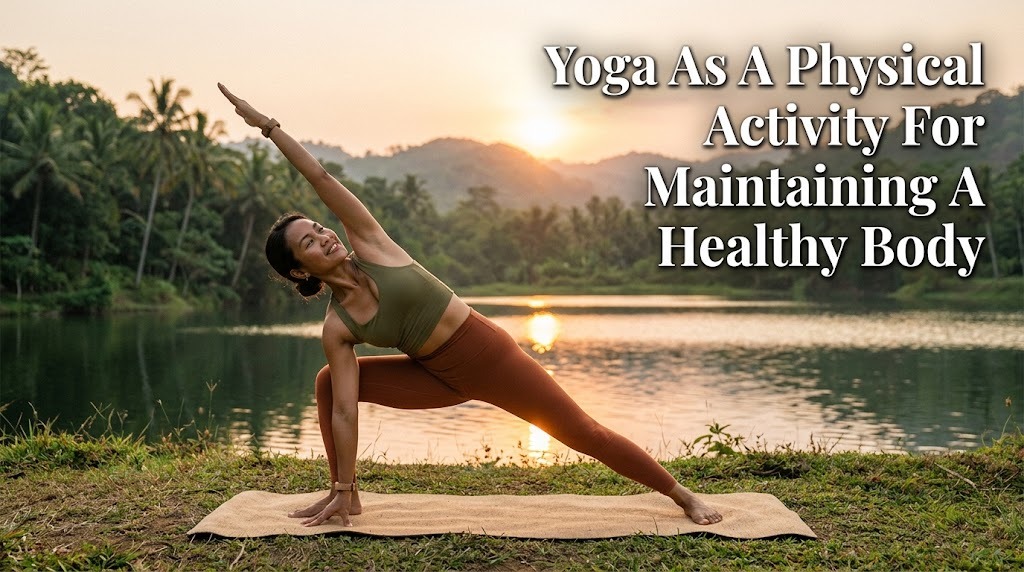
Yoga is a physical activity that combines body movements, breathing techniques, balance, flexibility, and body awareness. Unlike some forms of exercise that focus mainly on intensity, yoga can provide both physical and mental benefits. It can be practiced by people with different fitness levels by adjusting the movements to their abilities. When practiced regularly and correctly, yoga can become part of a healthy and active lifestyle.
Yoga does not always require complicated equipment or a large training space. Many basic movements can be practiced at home using a comfortable mat and suitable clothing. The intensity can also be adjusted according to individual needs and goals. Consistency, proper technique, and respect for the body's limits are important for making yoga a safe and useful physical activity.
YOGA AS A SIMPLE PHYSICAL ACTIVITY
Yoga can be an accessible way to keep the body moving during a busy day. Many yoga poses involve stretching, supporting body weight, and maintaining controlled positions. These movements can engage different muscle groups while improving body control. Regular physical activity is important for maintaining overall health and fitness.
One advantage of yoga is its flexibility in terms of time and location. A short session can be performed at home, while longer sessions can be included in a regular exercise routine. People can choose gentle or more active forms of yoga depending on their abilities. This makes yoga a practical option for people who want to stay physically active.
IMPROVING FLEXIBILITY AND RANGE OF MOTION
One of the commonly recognized physical benefits of yoga is its ability to support flexibility. Many poses involve controlled stretching of muscles and movement through different ranges of motion. Practicing these movements consistently may help the body move more comfortably. Flexibility develops gradually, so it is important not to force the body into difficult positions.
Improved flexibility can also support everyday movements such as bending, reaching, and changing positions. However, the goal should not be to achieve an advanced pose as quickly as possible. Each person has different physical characteristics and limitations. Slow and controlled stretching is generally more appropriate than forcing a deep stretch.
SUPPORTING MUSCLE STRENGTH
Although yoga is often associated with stretching, some poses can also challenge the muscles. Positions that require the body to support its own weight can engage the arms, legs, abdomen, back, and other muscle groups. More active styles of yoga may provide greater physical challenges. Muscle engagement and body control are important parts of many yoga practices.
The level of strength required depends on the type of yoga and the poses being performed. Beginners can start with basic positions before progressing to more demanding movements. Rest is also important because muscles need time to recover after physical activity. Combining yoga with other forms of strength training can provide a more complete fitness routine.
HELPING IMPROVE BALANCE AND COORDINATION
Balance is another physical ability that can be practiced through yoga. Standing poses often require a person to control their body position while maintaining stability. These exercises can encourage greater awareness of posture and movement. Balance and coordination are useful skills in many everyday activities.
Beginners may initially find balance poses difficult, and that is completely normal. Using a wall or another stable support can provide additional confidence while learning. The difficulty can gradually be increased as control improves. Progress should be based on individual ability, rather than comparison with other people.
SUPPORTING HEALTHY POSTURE
Daily habits such as sitting for long periods can affect how a person holds their body. Yoga encourages awareness of the position of the spine, shoulders, hips, and other body parts. Certain movements can strengthen supporting muscles and encourage better body awareness. Good posture can make everyday movements more comfortable.
However, yoga should not be viewed as a guaranteed solution for every posture-related problem. Persistent pain or significant movement difficulties may require professional assessment. Yoga movements should always be performed within a comfortable range. Proper alignment and controlled movement are more important than copying the exact appearance of a pose.
HELPING THE BODY STAY ACTIVE
A sedentary lifestyle can reduce the amount of movement a person gets throughout the day. Yoga provides an opportunity to break up long periods of sitting and introduce purposeful movement. Even gentle sessions can encourage people to move different parts of the body. Staying active regularly is an important part of maintaining physical health.
Yoga can also be combined with other activities such as walking, cycling, swimming, or strength training. Different forms of exercise provide different physical benefits. Therefore, yoga does not necessarily need to replace other activities. Instead, it can become one component of a balanced physical activity routine.
SUPPORTING RELAXATION AND STRESS MANAGEMENT
Physical health is closely connected with how a person manages daily stress. Yoga often combines movement with slow and controlled breathing, creating an opportunity to pause and focus on the present moment. This can make some yoga sessions feel calming and relaxing. Breathing and body awareness are important elements of this experience.
Gentle yoga may be especially suitable for people who prefer a slower form of exercise. However, yoga should not be considered a replacement for professional mental health care when someone needs specialized support. It can instead be used as one healthy activity alongside adequate rest, social support, and other healthy habits.
YOGA AND A HEALTHY DAILY ROUTINE
Yoga can become more effective as a healthy habit when it is practiced consistently. A person does not need to exercise for a long time every day to begin building a routine. Starting with manageable sessions can make it easier to maintain the habit. A realistic routine is more sustainable than an overly demanding schedule.
Choose a time that fits naturally into your daily activities. Some people may prefer morning sessions, while others may find evening practice more convenient. The important thing is to select a schedule that can be maintained comfortably. Combining yoga with healthy nutrition, adequate sleep, and other physical activities can further support overall well-being.
COMMON MISTAKES TO AVOID
One common mistake is forcing the body to reach a position beyond its current ability. Another is ignoring proper breathing or rushing through movements. Exercising without adequate preparation can also make the session less comfortable. Listening to the body is essential during yoga practice.
Pain should not be treated as a sign that a pose is working effectively. If a movement causes sharp, unusual, or persistent pain, stop the exercise and allow the body to recover. Beginners should learn basic techniques before attempting advanced poses. Safety should always come before performance.
TIPS FOR PRACTICING YOGA SAFELY
Start with simple movements and gradually increase the difficulty as your body becomes more familiar with the practice. Use a stable, non-slip surface and wear clothing that allows comfortable movement. Keep the practice area clear of objects that could cause accidents. Proper preparation can make the exercise more comfortable and controlled.
Pay attention to breathing throughout the session and avoid competing with other people. If you have an injury or a health condition, consider asking a qualified health professional whether certain activities are appropriate for you. A qualified yoga instructor can also help explain modifications for different ability levels. Safe and consistent practice is more valuable than attempting difficult poses too quickly.
CONCLUSION
Yoga as a physical activity for maintaining a healthy body offers a practical way to support flexibility, strength, balance, coordination, and body awareness. Its movements can be adjusted to suit different fitness levels and personal goals. Yoga can also provide a relaxing break from daily routines through controlled breathing and mindful movement. However, its benefits are best supported when it becomes part of a broader healthy lifestyle.
For the best experience, choose exercises that match your current ability and increase the intensity gradually. Avoid forcing difficult poses and pay attention to any unusual pain or discomfort. Consistency, proper technique, adequate rest, and a balanced lifestyle are key factors in making yoga a sustainable physical activity. With a safe and realistic approach, yoga can be a valuable part of everyday fitness.
Tentang Penulis
Gusti Ayu Tita P
Penulis — Universitas STEKOM
Penulis aktif yang berfokus pada isu-isu akademik, teknologi pendidikan, dan pengembangan sumber daya manusia di lingkungan kampus.



