Yoga For Improving Concentration And Focus In Daily Activities
Gusti Ayu Tita P
1 September 2026
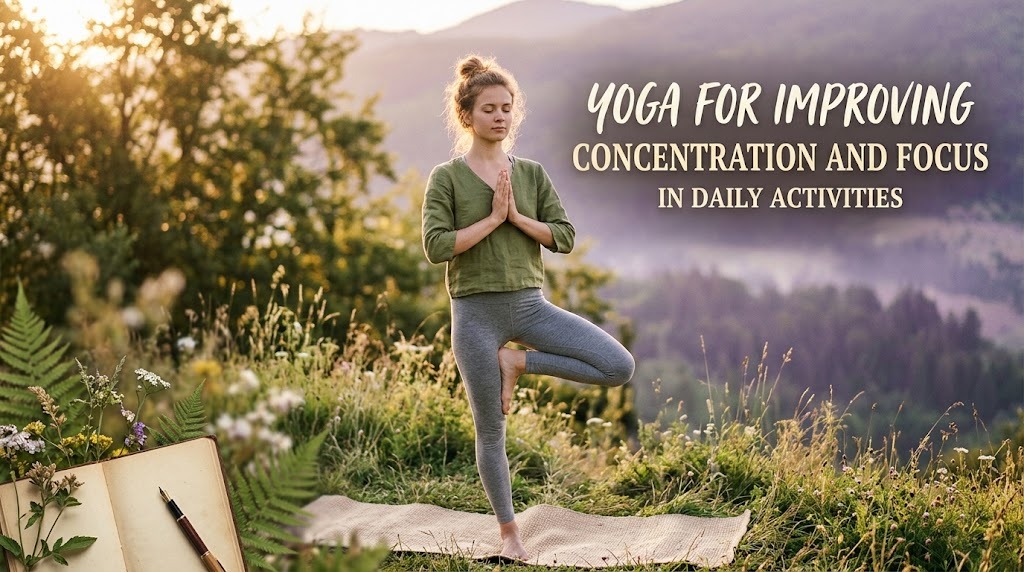
Concentration and focus are important skills for completing daily activities effectively. Students need them when studying, while workers rely on them to finish tasks and make decisions. However, distractions, stress, tiredness, and excessive multitasking can make it difficult to stay focused. Yoga can be one practical activity that supports better concentration by combining physical movement, breathing, and mindful attention.
Yoga is not a guaranteed solution for every concentration problem. However, regular practice may help people become more aware of their breathing, body sensations, and present activity. This awareness can be useful when dealing with everyday distractions. When combined with adequate sleep, regular physical activity, and healthy routines, yoga may support overall mental and physical well-being.
HOW YOGA CAN SUPPORT CONCENTRATION
Yoga requires attention to body position, movement, and breathing. During a session, practitioners are encouraged to focus on what they are doing instead of constantly thinking about other things. This practice can help develop present-moment awareness, which is closely related to maintaining attention. Over time, repeatedly returning attention to the practice may help build better concentration habits.
The effect does not mean that yoga immediately makes someone highly focused. Concentration is a skill that can develop gradually through consistent practice. Even a short session can provide an opportunity to step away from distractions and reset attention. The most important factor is creating a routine that can be maintained comfortably.
THE ROLE OF BREATHING IN FOCUS
Breathing is an essential part of many yoga practices. Paying attention to slow and comfortable breathing gives the mind a simple point of focus. When attention moves toward other thoughts, practitioners can gently bring it back to their breathing. Breath awareness can therefore become a useful exercise in directing attention.
Beginners do not need complicated breathing techniques. Simply noticing the natural rhythm of breathing can be a good starting point. Breathing should remain comfortable and should not be forced or held for too long. If a breathing exercise causes dizziness or discomfort, it should be stopped.
YOGA AND MINDFUL AWARENESS
Mindfulness involves paying attention to the present experience without becoming overly distracted by thoughts. Yoga can encourage this awareness through controlled movement and focused breathing. During a pose, practitioners may notice their posture, balance, muscle sensations, and breathing pattern. This combination of movement and awareness can make the practice mentally engaging.
Mindful yoga may also help people recognize when their attention begins to wander. Instead of becoming frustrated, they can calmly return their attention to the current movement or breath. This approach can be useful outside the yoga session as well. For example, someone may apply the same habit when studying, reading, working, or listening to another person.
YOGA POSES THAT CAN TRAIN ATTENTION
Certain yoga poses require balance and controlled movement, making them useful for practicing focused attention. Tree Pose is one example because maintaining balance requires awareness of body position and stability. Mountain Pose can also encourage attention to posture and breathing. Seated poses may provide a calmer environment for focusing on breath and body sensations.
Beginners should not force themselves into difficult positions. The goal is not to perform an advanced pose perfectly but to maintain comfortable and controlled attention. Using a wall or other appropriate support can make balance poses safer. Proper technique and body awareness should always come before difficulty.
YOGA FOR REDUCING DAILY DISTRACTIONS
Modern daily activities often involve constant notifications, social media, messages, and multiple tasks. These distractions can make it difficult to maintain attention for extended periods. A short yoga session can provide a temporary break from digital stimulation and other interruptions. Creating distraction-free practice time may help the mind settle before returning to other activities.
For example, a person can practice yoga for several minutes before studying or beginning an important task. Turning off unnecessary notifications during the session can make the practice more focused. Afterward, it may be easier to approach the next activity with a clearer routine. Yoga should not be viewed as a replacement for practical strategies such as organizing tasks and managing digital distractions.
HOW REGULAR YOGA PRACTICE MAY HELP
Consistency is important when using yoga as part of a concentration routine. Practicing once and expecting immediate changes is unrealistic. Instead, regular sessions can create repeated opportunities to practice attention and body awareness. A consistent routine is generally more useful than occasional intense sessions.
The ideal frequency can vary from person to person. Some people may prefer short sessions several times a week, while others may enjoy gentle yoga more frequently. The routine should fit the individual's schedule and physical ability. If the practice becomes too demanding, reducing the duration or intensity can make it easier to continue.
YOGA FOR STUDY AND WORK ROUTINES
Students can use simple yoga movements as a short activity between study sessions. Gentle stretching may provide a physical break after sitting for a long time. Breathing exercises can also help create a moment of calm before returning to academic tasks. Short movement breaks can make a study routine feel less physically demanding.
Workers can apply a similar approach during breaks. Simple stretches and mindful breathing can be performed without requiring a large space or complicated equipment. The purpose is not to replace productive work but to create a healthy pause. A balanced routine that includes movement, rest, and focused work can support overall daily well-being.
OTHER HABITS THAT SUPPORT BETTER FOCUS
Yoga is only one part of maintaining concentration. Adequate sleep, regular physical activity, balanced nutrition, hydration, and effective time management can also influence daily energy and attention. Reducing unnecessary multitasking may help people give more attention to important tasks. A quiet and organized environment can further reduce avoidable distractions.
It is also helpful to set realistic goals. Trying to concentrate continuously for many hours without breaks can be difficult. Dividing work into manageable periods and taking appropriate breaks may make tasks easier to handle. Combining these strategies with yoga can create a more complete approach to improving daily focus.
TIPS FOR USING YOGA TO IMPROVE FOCUS
Start with a simple routine that lasts only a few minutes if you are new to yoga. Choose a quiet space and remove unnecessary distractions before beginning. Focus on your breathing and perform each movement slowly and comfortably. Do not worry about achieving perfect poses, because the main purpose is to develop awareness and consistency.
As you become more comfortable, you can gradually explore different poses and routines. Pay attention to how your body and mind respond during and after practice. Avoid forcing stretches or continuing movements that cause pain. With patience, yoga can become a practical part of a daily routine that supports concentration and mindful attention.
CONCLUSION
Yoga for improving concentration and focus in daily activities can be useful because it combines movement, breathing, balance, and present-moment awareness. These elements encourage practitioners to repeatedly direct their attention toward a specific activity. Regular practice may help develop better awareness of the body and breathing, which can also be applied to everyday tasks.
For the best results, yoga should be combined with healthy sleep, regular movement, proper nutrition, organized routines, and effective distraction management. Start with simple exercises and gradually build consistency according to your ability. Yoga does not need to be complicated to become useful. A practical and sustainable routine can make it easier to support both physical well-being and daily concentration.
Tentang Penulis
Gusti Ayu Tita P
Penulis — Universitas STEKOM
Penulis aktif yang berfokus pada isu-isu akademik, teknologi pendidikan, dan pengembangan sumber daya manusia di lingkungan kampus.