Yoga For Reducing Stress And Promoting Mental Relaxation
Gusti Ayu Tita P
1 September 2026
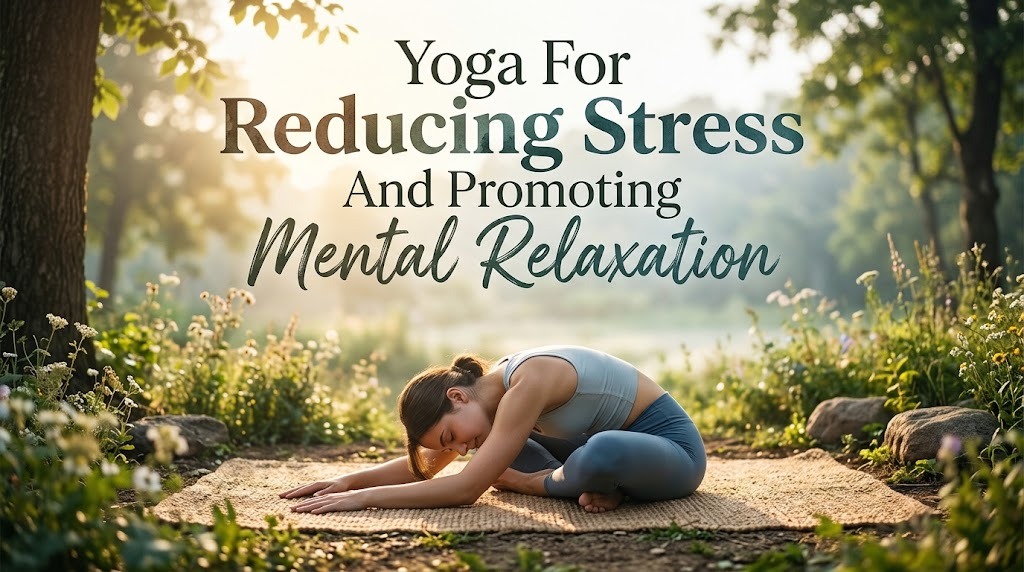
Yoga is a physical activity that combines body movement, breathing exercises, concentration, and relaxation. Many people practice yoga not only to improve physical fitness but also to create a calmer state of mind. The combination of controlled movements and focused breathing can provide a useful break from busy daily activities. With regular practice, yoga can become part of a healthy approach to managing everyday stress.
Yoga does not require advanced skills to provide a relaxing experience. Beginners can start with simple movements and gradually become familiar with different poses. The practice can be adjusted to suit individual abilities, available time, and personal preferences. Consistency and comfort are more important than performing difficult poses.
HOW YOGA CAN HELP MANAGE STRESS
Stress can occur when people face demanding situations, responsibilities, or significant changes in their daily lives. Yoga provides an opportunity to slow down and focus attention on the body and breathing. Gentle movements may help release physical tension that can build up during stressful periods. Controlled breathing and mindful movement are central elements of many yoga practices.
Regular physical activity is also generally beneficial for overall well-being. Yoga can be one practical activity that people use alongside other healthy stress-management strategies. It should not be considered a replacement for professional support when stress becomes severe or difficult to manage. Instead, yoga can complement healthy habits such as sufficient sleep, social connection, and regular exercise.
THE ROLE OF BREATHING IN RELAXATION
Breathing is an important part of yoga because it helps connect physical movement with focused attention. Slow and controlled breathing can encourage a person to pay attention to the present moment instead of constantly thinking about other concerns. This can make a yoga session feel calmer and more structured. Breath awareness is especially useful during gentle and restorative practices.
Beginners do not need to use complicated breathing techniques. Simply paying attention to slow, comfortable breaths can be a good starting point. Breathing should never be forced or held for an uncomfortable amount of time. The goal is to create a natural and comfortable breathing pattern during the practice.
YOGA AND MINDFULNESS
Yoga can encourage mindfulness by directing attention toward current physical sensations and breathing. During a pose, practitioners may focus on body position, muscle movement, and the rhythm of their breath. This approach can reduce distractions during the exercise session. Mindful yoga therefore combines physical activity with greater awareness of the present experience.
Mindfulness does not mean completely eliminating thoughts. Instead, it involves noticing thoughts and returning attention to the current activity. This skill can be practiced gradually through regular yoga sessions. Over time, some people may find that this focused approach helps them respond more calmly to everyday situations.
GENTLE YOGA FOR MENTAL RELAXATION
Not every yoga session needs to be physically demanding. Restorative yoga, yin yoga, and gentle yoga generally use slower movements and longer periods of comfortable positioning. These styles can be suitable for people who want to focus more on relaxation than intense physical activity. The slower pace can provide an opportunity to rest both physically and mentally.
Comfort should remain a priority during gentle yoga. A person can use cushions, blankets, or yoga blocks to support certain positions when appropriate. There is no need to force the body into a deep stretch. Relaxation should feel comfortable, not painful or exhausting.
YOGA AS PART OF A DAILY ROUTINE
Making yoga part of a regular routine can make it easier to maintain its potential benefits. A short session can be enough to create a dedicated period for movement and relaxation. People with busy schedules can choose a convenient time, such as in the morning or before bed. A realistic routine is more sustainable than setting an unrealistic daily target.
Consistency does not mean practicing for long hours. What matters is finding a schedule that fits comfortably into everyday life. Some people may prefer several short sessions each week, while others may enjoy longer practices. The best routine is one that can be maintained without creating additional pressure.
YOGA AND BETTER SLEEP
Stress and mental tension can sometimes make it difficult to relax before bedtime. A gentle yoga session may help create a calming transition from daytime activities to rest. Slow movements, comfortable stretching, and controlled breathing can become part of a relaxing evening routine. A peaceful bedtime practice may help some people prepare mentally for sleep.
However, healthy sleep depends on more than yoga alone. Maintaining a regular sleep schedule, reducing excessive screen use before bed, and creating a comfortable sleeping environment can also be helpful. People experiencing persistent or serious sleep problems should consider seeking professional advice.
SIMPLE YOGA POSES FOR RELAXATION
Several simple poses can be incorporated into a relaxation-focused yoga session. Child's Pose can provide a gentle resting position for many people when performed comfortably. Cat-Cow Pose can encourage controlled movement of the spine while coordinating movement with breathing. Legs Up the Wall Pose is another gentle position often used during relaxation practices.
The suitability of each pose depends on an individual's physical condition. Use modifications or supportive equipment when necessary. Avoid any position that causes sharp pain, numbness, or unusual discomfort. Simple movements performed comfortably are often more appropriate for relaxation than challenging poses.
COMMON MISTAKES WHEN USING YOGA FOR STRESS RELIEF
One common mistake is treating yoga as another task that must be completed perfectly. Trying to achieve difficult poses or comparing personal performance with others can create unnecessary pressure. Another mistake is moving too quickly during a session intended for relaxation. The purpose of a calming practice is to reduce pressure, not add more.
Ignoring physical discomfort is also inappropriate. Yoga should be adjusted when a pose feels painful or unsuitable. Beginners should learn basic techniques before attempting advanced movements. By focusing on breathing, comfort, and gradual progress, yoga can become a more enjoyable experience.
TIPS FOR A MORE RELAXING YOGA SESSION
Choose a quiet and comfortable place where distractions are limited. Wear clothing that allows easy movement and prepare a stable surface for practice. Begin with a few minutes of comfortable breathing before moving into simple poses. A calm environment can make it easier to focus during the session.
Avoid rushing through the practice because relaxation requires time and attention. Finish with a few minutes of quiet breathing or gentle movement. If you feel tired, reduce the intensity rather than forcing yourself to continue. Listening to your body and maintaining a comfortable pace can make the practice more beneficial and sustainable.
CONCLUSION
Yoga for reducing stress and promoting mental relaxation can be a practical addition to a healthy daily routine. Its combination of movement, breathing, and focused attention can create an opportunity to slow down and become more aware of the present moment. Gentle yoga may be particularly useful for people who prefer a calm form of physical activity. However, yoga works best as part of a broader approach to well-being.
The key is to practice regularly without creating additional pressure. Start with simple movements, use comfortable breathing, and choose a routine that matches your ability and schedule. Consistency, mindfulness, comfort, and proper technique can help make yoga a sustainable relaxation practice. When stress becomes overwhelming or persistent, professional support should be considered alongside healthy activities such as yoga.
Tentang Penulis
Gusti Ayu Tita P
Penulis — Universitas STEKOM
Penulis aktif yang berfokus pada isu-isu akademik, teknologi pendidikan, dan pengembangan sumber daya manusia di lingkungan kampus.