
Building Academic Resilience To Support Student Success Amid University Challenges
Gusti Ayu Tita P
24 Agustus 2026
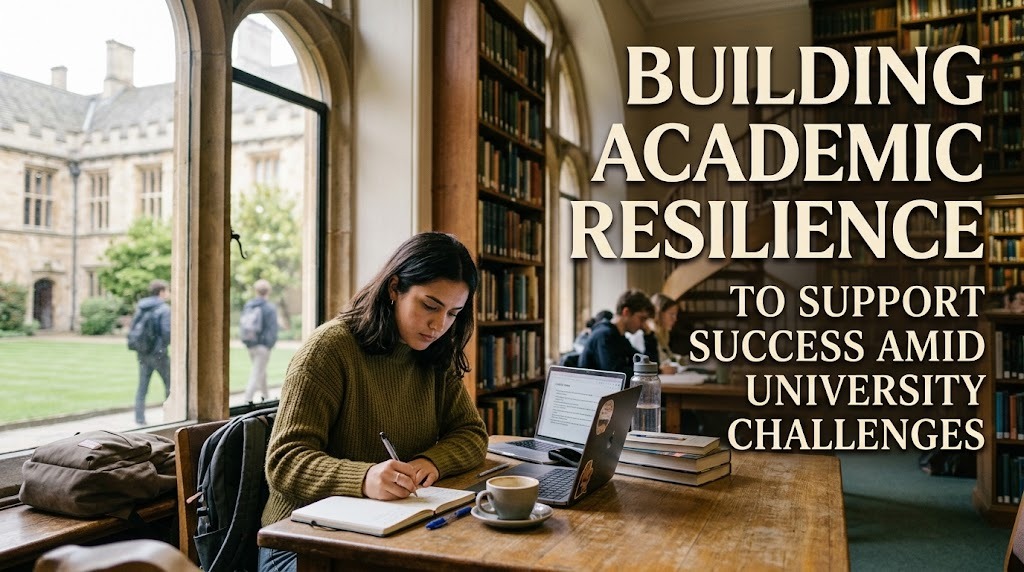
University life can be exciting, but it also brings academic pressure, difficult assignments, tight deadlines, and changing expectations. Students may experience setbacks such as low grades, failed examinations, or difficulty adapting to new learning environments. These challenges do not necessarily determine future success. Academic resilience helps students respond positively to difficulties, learn from mistakes, and continue working toward their goals. Building this ability can make students more prepared to face both academic and personal challenges.
UNDERSTANDING ACADEMIC RESILIENCE
Academic resilience is the ability to remain motivated and continue learning when facing academic difficulties. It does not mean that students never experience failure, stress, or disappointment. Instead, resilient students learn how to manage challenges and recover after setbacks. They understand that one poor result does not define their entire academic ability. This mindset encourages students to focus on improvement rather than giving up.
Resilience can develop through experience and consistent practice. Students can become more adaptable by evaluating what went wrong and identifying better strategies for the future. Self-confidence, persistence, flexibility, and problem-solving skills are important elements of academic resilience. These qualities can help students handle demanding university situations more effectively. Over time, students may become more comfortable facing challenges that initially seem overwhelming.
WHY UNIVERSITY CHALLENGES CAN BE DIFFICULT
University students often face challenges that are different from those experienced in school. They may need to manage several assignments, examinations, projects, and presentations at the same time. Academic expectations can also require students to study independently and take greater responsibility for their learning. For some students, adjusting to this level of independence can be difficult. Poor time management and excessive academic pressure may make these challenges even harder.
Social and personal factors can also influence academic performance. Students may have financial responsibilities, organizational activities, part-time jobs, or family commitments. At the same time, adapting to new friends and unfamiliar environments can require emotional energy. When several challenges occur together, students may feel discouraged or lose concentration. Developing resilience can help them respond to these situations without immediately abandoning their academic goals.
DEVELOPING A POSITIVE LEARNING MINDSET
A positive learning mindset can strengthen students' ability to overcome academic difficulties. Instead of viewing mistakes as proof of failure, students can treat them as opportunities to identify areas that need improvement. For example, receiving a low examination score can encourage a student to review their study methods and weaknesses. A growth-oriented mindset focuses on progress rather than perfection. This approach allows students to see learning as a continuous process.
Students should also avoid comparing their academic journey too closely with others. Every student has different abilities, learning styles, experiences, and circumstances. Comparing grades constantly can reduce confidence and create unnecessary pressure. Setting realistic personal goals can provide a clearer sense of progress. Small improvements can eventually contribute to significant academic development.
IMPROVING TIME MANAGEMENT AND STUDY HABITS
Effective time management is one of the practical ways to build academic resilience. Students can create weekly schedules that include classes, study sessions, assignments, rest, and personal activities. Breaking large assignments into smaller tasks can make difficult workloads feel more manageable. Prioritizing important tasks also helps students avoid completing everything at the last minute. A consistent routine can reduce unnecessary stress and improve concentration.
Good study habits are equally important. Students can experiment with methods such as active recall, practice questions, structured notes, or group discussions. The most effective method may differ from one student to another. Students should evaluate which strategies help them understand and remember information most effectively. Consistent study habits are generally more useful than relying on intense last-minute preparation.
LEARNING FROM FAILURE AND SETBACKS
Failure can be an important part of the learning process. Students may receive disappointing grades, misunderstand course material, or fail to complete an assignment as expected. Instead of treating these experiences as permanent defeats, they can analyze the causes and develop a plan for improvement. Asking lecturers for feedback can provide useful information about areas that need attention. Reflection turns setbacks into valuable learning experiences.
It is also important for students to recognize what they can and cannot control. They cannot change an examination result that has already been published, but they can improve their preparation for the next assessment. This perspective helps students direct their energy toward constructive actions. Resilient students focus on solutions rather than remaining trapped by past mistakes. With repeated practice, this response can become a stronger academic habit.
BUILDING SUPPORTIVE RELATIONSHIPS
Students do not have to handle every university challenge alone. Support from lecturers, classmates, academic advisors, friends, and family can provide encouragement and practical assistance. Discussing difficult coursework with classmates may reveal new ways to understand a topic. Lecturers can also clarify academic expectations and provide feedback when students need guidance. Seeking help is not a sign of weakness but a responsible approach to learning.
A supportive environment can also improve motivation. Students who feel connected to others may be more willing to discuss their difficulties and search for solutions. Study groups can provide both academic assistance and accountability. However, students should choose supportive relationships that encourage healthy learning rather than unhealthy competition. A strong support system can make difficult academic periods easier to manage.
MAINTAINING BALANCE AND WELL BEING
Academic success should not require students to ignore their physical and emotional needs. Adequate sleep, regular physical activity, nutritious meals, and sufficient breaks can support concentration and energy. Students who continuously study without rest may experience exhaustion and reduced productivity. Healthy routines can help students maintain sustainable academic performance. Taking breaks should therefore be viewed as part of effective learning rather than wasted time.
Students should also recognize signs that their workload may be becoming difficult to manage. Persistent exhaustion, loss of motivation, or difficulty concentrating may indicate that adjustments are needed. Creating realistic schedules and discussing concerns with trusted people can help students respond earlier. University success involves more than achieving high grades. Maintaining well-being is an important part of long-term academic resilience.
CONCLUSION
Building academic resilience is essential for student success amid university challenges. Students may face low grades, demanding coursework, time pressure, and personal difficulties, but these experiences do not have to prevent them from reaching their goals. Developing a positive mindset, improving study habits, managing time effectively, learning from failure, and seeking support can strengthen resilience. Students should understand that academic progress is not always a straight path. The ability to recover, adapt, and keep learning can be just as important as academic achievement itself.
About the Author
Gusti Ayu Tita P
Author — STEKOM University
An active author focused on academic issues, educational technology, and human resource development in the campus environment.