Common Mistakes to Avoid During Elections
Gusti Ayu Tita P
10 Oktober 2026
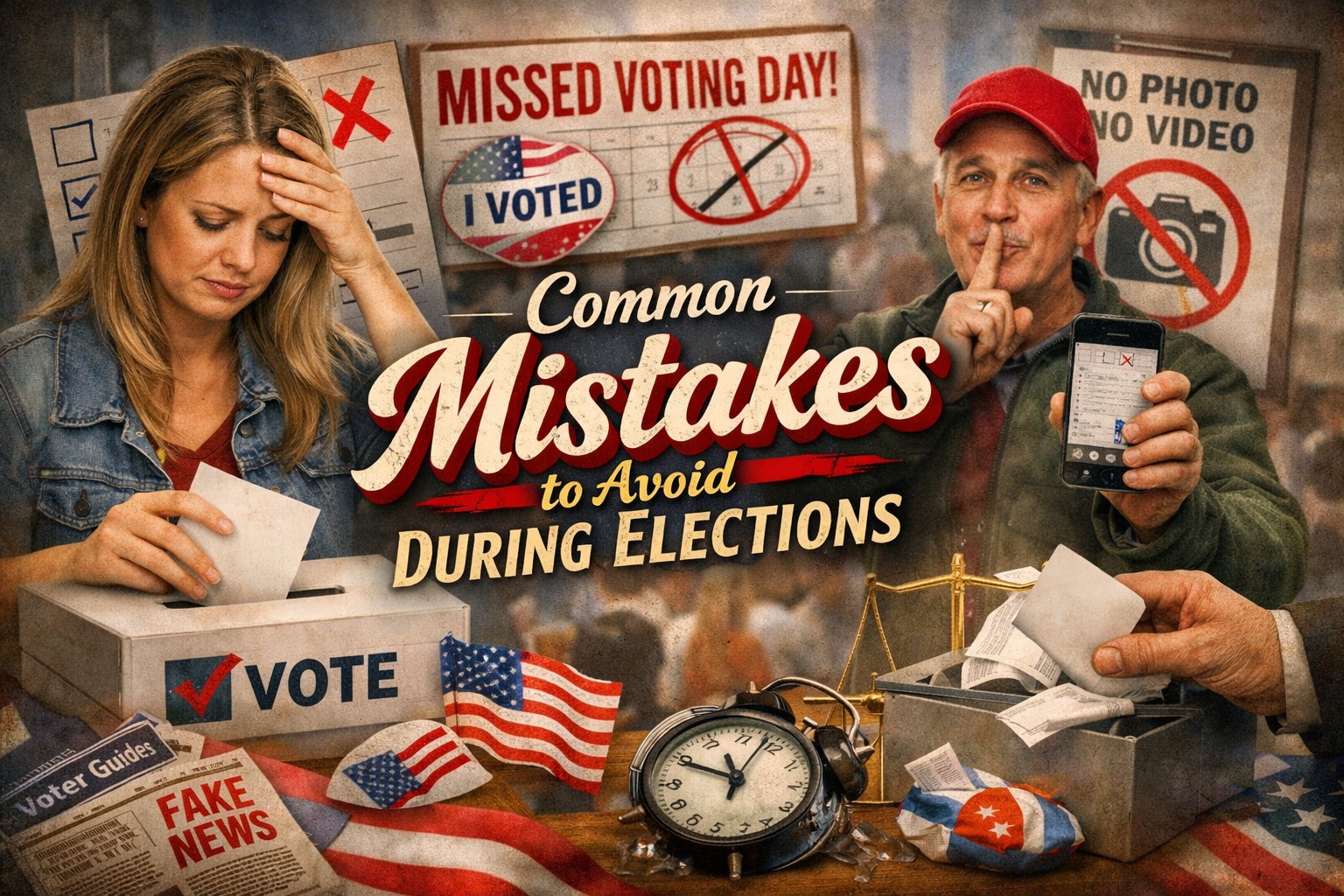
Elections are an essential part of every democratic society, giving citizens the opportunity to choose leaders who will shape the future of their nation. However, the quality of an election depends not only on fair procedures but also on the behavior and decisions of voters. Many people make avoidable mistakes that can weaken democratic values and reduce the effectiveness of the electoral process. Understanding these common mistakes helps citizens make informed choices and participate responsibly. By avoiding these errors, every voter can contribute to fair elections, stronger democracy, and better governance.
LACK OF KNOWLEDGE ABOUT THE ELECTION PROCESS
One of the most common mistakes is participating in an election without understanding the election process. Some voters are unfamiliar with voter registration requirements, polling locations, or voting procedures. This lack of knowledge may result in confusion or missed opportunities to vote. Learning about the election timeline and official procedures helps citizens participate with confidence. Proper preparation supports a smoother voting experience.
Citizens should regularly check official election announcements and trusted sources for updated information. Understanding election rules also reduces the risk of making procedural mistakes on voting day. Public education programs can improve voter awareness and participation. Informed voters strengthen democratic systems through responsible engagement.
BELIEVING MISINFORMATION AND FAKE NEWS
The rapid spread of misinformation is one of the biggest challenges in modern elections. False political claims and misleading social media posts can influence public opinion unfairly. Many voters make decisions based on unverified information rather than reliable facts. This weakens public trust and creates unnecessary confusion. Critical thinking is essential for protecting democratic integrity.
Before sharing or believing election-related information, citizens should verify it through official election authorities and trusted news organizations. Comparing multiple reliable sources also improves accuracy. Responsible information sharing helps reduce the spread of false content. Well-informed communities create healthier democratic environments.
CHOOSING CANDIDATES WITHOUT RESEARCH
A responsible voter should never select a candidate based solely on popularity, emotional campaigns, or recommendations from others. Every candidate should be evaluated according to qualifications, experience, leadership ability, and policy proposals. Understanding each candidate's background allows voters to make objective decisions. Careful research improves the overall quality of election outcomes. Informed choices benefit both citizens and the nation.
Watching public debates, reading official campaign materials, and reviewing credible news reports provide valuable insights. Voters should compare different perspectives before making a final decision. Objective evaluation reduces emotional bias. Knowledge leads to more responsible voting behavior.
ACCEPTING VOTE BUYING OR UNETHICAL PRACTICES
One of the most harmful election mistakes is accepting vote buying or participating in unethical political activities. Vote buying damages democracy because decisions are influenced by financial incentives instead of public interest. This practice may encourage corruption and weaken government accountability after the election. Ethical voting protects the integrity of democratic institutions. Every citizen should reject any attempt to influence votes illegally.
Citizens should report suspicious activities through official legal channels whenever possible. Communities that oppose corruption help create cleaner and more transparent elections. Honest participation strengthens public trust in democratic systems. Integrity remains a key principle of quality elections.
IGNORING THE IMPORTANCE OF VOTING
Some eligible citizens decide not to vote because they believe their individual vote does not matter. This misconception reduces voter participation and weakens democratic representation. Every vote contributes to the final election result and helps determine future government policies. High voter turnout reflects active civic engagement and stronger democratic legitimacy. Participating in elections is both a right and a civic responsibility.
Citizens who vote actively contribute to peaceful leadership transitions and accountable governance. Encouraging family members and communities to participate also increases democratic awareness. Every responsible vote supports national progress. Democracy grows stronger when more citizens become involved.
FAILING TO RESPECT DIFFERENT POLITICAL OPINIONS
Healthy democracies encourage open discussion while respecting different political beliefs. One common mistake is engaging in personal attacks, hate speech, or hostile behavior because of political differences. Such actions increase social division and weaken democratic values. Respectful dialogue creates opportunities for constructive discussion. Mutual understanding promotes national unity.
Citizens should focus on exchanging ideas rather than attacking individuals. Listening to different perspectives encourages balanced thinking and informed decision-making. Respectful political participation strengthens democratic culture. Peaceful communication benefits society long after elections are over.
CONCLUSION
Avoiding common election mistakes is essential for maintaining fair elections and strengthening democratic institutions. Citizens should understand election procedures, verify information, research candidates carefully, reject vote buying, participate actively, and respect different political opinions. These responsible actions improve election quality and increase public confidence in democratic systems. Every informed voter plays an important role in protecting election integrity and promoting accountable leadership. By making thoughtful decisions, citizens help build a stronger, more transparent, and more successful democracy.
About the Author
Gusti Ayu Tita P
Author — STEKOM University
An active author focused on academic issues, educational technology, and human resource development in the campus environment.