The Future of Democracy Through Free and Fair Elections
Gusti Ayu Tita P
10 Oktober 2026
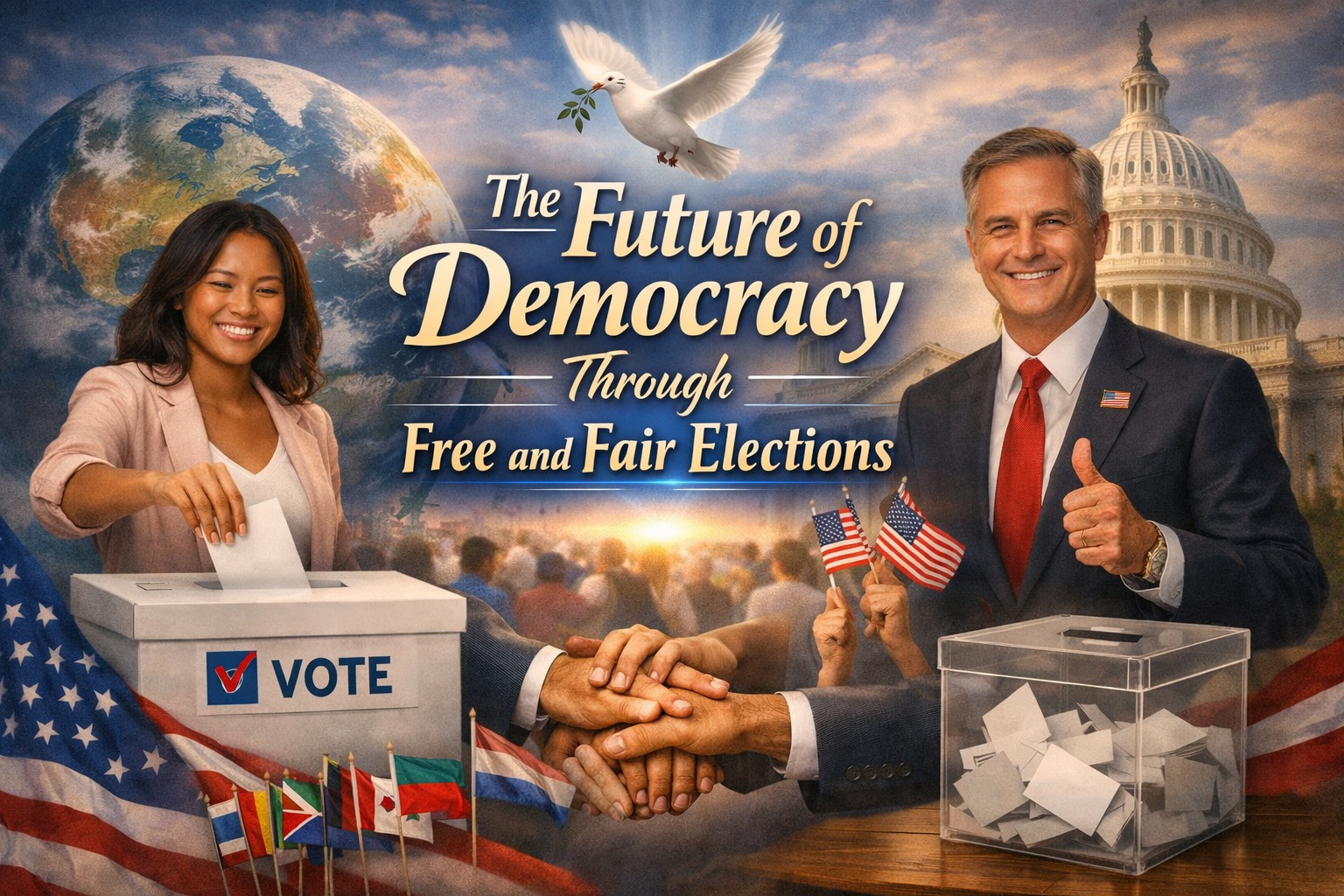
Democracy thrives when citizens have the freedom to choose their leaders through free and fair elections. Elections are more than a political process; they are a reflection of public participation, equality, and the protection of citizens' rights. Through transparent and credible elections, people can influence government policies, hold leaders accountable, and shape the direction of their nation. As societies continue to evolve, the future of democracy will depend greatly on maintaining electoral systems that are honest, inclusive, and accessible to all.
In a rapidly changing world, democracy faces new opportunities and challenges. Technological advancements, increasing political awareness, and global connectivity can strengthen democratic participation. At the same time, misinformation, political polarization, and electoral manipulation can threaten democratic values. Protecting free and fair elections is essential to ensuring a stable and prosperous future.
THE IMPORTANCE OF FREE AND FAIR ELECTIONS
Free and fair elections are the foundation of a strong democratic system. They ensure that every eligible citizen has an equal opportunity to vote without intimidation, coercion, or discrimination. When elections are conducted transparently, the results accurately reflect the will of the people. This strengthens public trust in government institutions and democratic processes.
Fair elections also encourage political competition based on ideas, policies, and leadership qualities rather than unethical practices. Candidates must earn public support through their vision, competence, and commitment to serving society. As a result, democratic systems become more accountable and responsive to citizens' needs.
HOW ELECTIONS SHAPE THE FUTURE OF DEMOCRACY?
The quality of elections has a direct impact on the future of democratic governance. Leaders chosen through transparent elections are more likely to represent public interests and implement policies that benefit society. Their decisions influence economic development, education, healthcare, environmental sustainability, and national security. Every election helps determine the direction of future generations.
In addition, elections provide citizens with a peaceful and legal method for influencing political change. Instead of relying on conflict or instability, democratic societies use elections to transfer power responsibly. This process promotes long-term political stability and strengthens democratic institutions.
THE ROLE OF CITIZENS IN STRENGTHENING DEMOCRACY
Citizens are at the heart of every successful democracy. Active voter participation ensures that elected leaders truly represent the population. Voting is one of the most powerful ways individuals can contribute to national development and public accountability. Higher voter turnout also increases the legitimacy of election results.
Beyond voting, citizens can support democracy by staying informed, participating in public discussions, and encouraging others to engage in civic activities. Responsible citizenship strengthens democratic culture and helps protect the integrity of electoral processes. A well-informed population is essential for the future success of democracy.
CHALLENGES FACING MODERN DEMOCRATIC ELECTIONS
Despite their importance, elections face several challenges in the modern era. The spread of misinformation through digital platforms can mislead voters and influence public opinion unfairly. Political polarization may also create divisions that weaken public trust in democratic institutions. These challenges require continuous efforts to protect electoral integrity.
Another concern is the possibility of electoral fraud, vote buying, and other unethical practices. Governments, election authorities, media organizations, and citizens must work together to prevent these threats. Strong laws, transparent procedures, and independent monitoring help ensure fair election outcomes.
THE IMPACT OF TECHNOLOGY ON FUTURE ELECTIONS
Technology is transforming the way elections are conducted and how citizens access political information. Digital platforms allow election authorities to communicate with voters more efficiently and provide educational resources about voting procedures. Online tools can increase accessibility and encourage greater public engagement. Technology also makes it easier for citizens to stay informed about political developments.
However, technology must be managed responsibly. Cybersecurity risks, data privacy concerns, and the rapid spread of false information can undermine public confidence if not addressed properly. Strengthening digital literacy and investing in secure election systems are essential steps toward protecting democracy in the future.
BUILDING A STRONGER DEMOCRATIC FUTURE
The future of democracy depends on maintaining transparent elections, protecting human rights, and encouraging public participation. Governments should continue improving election systems to ensure accessibility, fairness, and accountability. Civic education programs can help citizens better understand their democratic rights and responsibilities. These efforts create stronger democratic institutions and more engaged communities.
International cooperation and the sharing of best practices can also improve election management worldwide. By learning from successful democratic systems, countries can strengthen their own electoral processes. A commitment to democratic values ensures that future generations inherit stable and representative governments.
CONCLUSION
The future of democracy is closely linked to the quality of free and fair elections. Transparent electoral systems allow citizens to choose their leaders, influence public policy, and hold governments accountable. Strong elections promote political stability, public trust, and long-term national development.
By protecting electoral integrity, encouraging voter participation, and embracing responsible innovation, societies can strengthen democracy for generations to come. Free and fair elections remain one of the most powerful tools for creating a just, inclusive, and prosperous future.
About the Author
Gusti Ayu Tita P
Author — STEKOM University
An active author focused on academic issues, educational technology, and human resource development in the campus environment.