Common Mistakes To Avoid When Applying For A Visa
Gusti Ayu Tita P
24 Agustus 2026
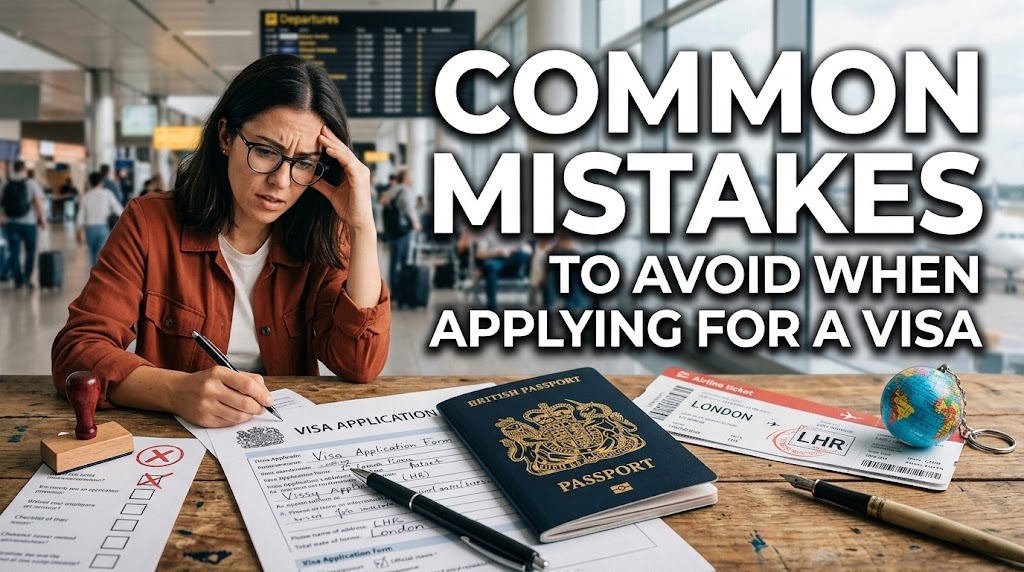
Applying for a visa is an important step before traveling to another country. The process may require careful preparation because each destination has its own visa requirements, documents, fees, and application procedures. Small mistakes can cause delays, additional requests for documents, or even rejection. Therefore, applicants should understand the most common mistakes before submitting their applications. With proper preparation and accurate information, the visa application process can become more organized and manageable.
NOT CHECKING THE LATEST VISA REQUIREMENTS
One of the most common mistakes is failing to check the latest visa requirements before applying. Immigration policies can change, including required documents, application methods, fees, and processing procedures. Information from an old article, social media post, or another traveler may no longer be accurate. Applicants should check the official website of the destination country, embassy, or authorized visa service before preparing their documents. This step helps ensure that the application follows the rules currently in effect.
CHOOSING THE WRONG VISA TYPE
Applicants should select a visa based on their actual purpose of travel. Tourist, student, business, work, and family-related visas can have different conditions and permitted activities. Choosing a visa simply because it appears easier to obtain can create problems if the planned activities do not match its conditions. For example, a visa intended for tourism may not permit employment or long-term study. Understanding the purpose and restrictions of each visa category is therefore essential before submitting an application.
PROVIDING INCOMPLETE DOCUMENTS
Another common mistake is submitting an application without all the required supporting documents. Depending on the destination and visa category, applicants may need a valid passport, application form, photographs, financial evidence, accommodation information, travel plans, or other supporting documents. Missing one important document can delay the assessment or result in a request for additional information. Applicants should create a checklist based on the official requirements. Checking every document before submission can reduce avoidable errors.
ENTERING INCORRECT INFORMATION
Applicants must make sure that all information in their visa application is accurate and consistent. Mistakes in names, dates of birth, passport numbers, travel dates, or other personal details can cause complications. Information should also match the applicant’s supporting documents. Applicants should carefully review the entire form before submitting it rather than rushing through the process. Providing false or misleading information can have much more serious consequences than an ordinary typing mistake.
IGNORING PASSPORT REQUIREMENTS
A passport is a fundamental document for international travel, but applicants sometimes fail to check whether it meets the destination country’s requirements. Some countries require a passport to remain valid for a certain period beyond the intended stay. There may also be requirements concerning blank pages or other passport conditions. Applicants should check the specific rules that apply to their destination. Checking passport validity early is especially useful because renewing a passport can take additional time.
SUBMITTING THE APPLICATION TOO LATE
Waiting until shortly before departure is another mistake that travelers should avoid. Visa processing times vary depending on the destination, visa category, application volume, and individual circumstances. Some applications may require interviews, additional documents, or further administrative processing. Applicants should therefore allow sufficient time between submitting the application and their planned departure. It is also wise to avoid making non-refundable travel arrangements based solely on the expectation that a visa will be approved.
IGNORING FINANCIAL REQUIREMENTS
Some visa categories require applicants to demonstrate that they can financially support themselves during their stay. Applicants may be asked to provide bank statements, income evidence, sponsorship documents, or other proof of financial support, depending on the relevant rules. A common mistake is submitting financial documents that are incomplete, outdated, or inconsistent with the information provided in the application. Applicants should carefully follow the official requirements for financial evidence. They should also avoid presenting documents that cannot be verified.
GIVING INCONSISTENT INFORMATION
Information across the application form and supporting documents should generally tell a clear and consistent story. For example, travel dates should make sense in relation to flight reservations and accommodation details when such evidence is required. Differences between documents may lead to questions about the application. Applicants should review names, dates, addresses, employment information, and travel purposes carefully. Consistency helps make the application easier to understand and assess.
FAILING TO PREPARE FOR AN INTERVIEW
Some visa applications include an interview or appointment as part of the process. Applicants who are required to attend should understand their travel purpose, planned activities, accommodation, and financial arrangements. Answers should be honest, clear, and consistent with the submitted documents. Memorizing complicated answers is unnecessary and can make communication less natural. The most important preparation is understanding the application and being able to explain the intended trip truthfully.
NOT REVIEWING THE APPLICATION BEFORE SUBMISSION
Rushing to submit a visa application can lead to simple mistakes that could have been avoided. Applicants should review every field, document, photograph, signature, payment detail, and appointment requirement before final submission. They should also confirm that files are readable if the application is submitted online. A final review provides an opportunity to correct errors before the application is processed. Careful checking is one of the simplest ways to improve application quality.
CONCLUSION
Avoiding common visa application mistakes requires careful preparation, accurate information, and attention to official requirements. Applicants should choose the correct visa type, prepare complete documents, provide truthful information, and check their passport validity. They should also submit applications early enough to accommodate possible processing delays. Because visa rules differ between countries, travelers should always rely on current information from the relevant official authorities. With a careful approach, applicants can reduce avoidable problems and make the visa application process more organized.
About the Author
Gusti Ayu Tita P
Author — STEKOM University
An active author focused on academic issues, educational technology, and human resource development in the campus environment.