Complete Guide to Elections for Understanding the Democratic Process
Gusti Ayu Tita P
10 Oktober 2026
Elections are one of the most important pillars of a democratic system. They give citizens the opportunity to choose leaders who will represent their interests and shape the future of their country. A fair and transparent election strengthens public trust in government while encouraging active civic participation. Understanding how elections work is essential for becoming a responsible voter and supporting democratic values. This complete guide to elections explains the democratic process, the roles of voters, and the importance of free and fair elections in simple and easy-to-understand language.
WHAT ARE ELECTIONS AND WHY DO THEY MATTER?
Elections are formal processes through which eligible citizens vote to choose public officials or decide on specific political matters. They are designed to ensure that leadership is determined by the will of the people rather than by force or privilege. In democratic countries, elections are conducted regularly according to constitutional rules. This process allows citizens to influence government policies through their voting decisions. As a result, elections help maintain accountability and public confidence in democratic institutions.
A well-organized election also protects the rights of every voter by providing equal opportunities to participate. It creates a peaceful way to transfer political power while reducing the risk of conflict. When elections are conducted honestly and fairly, the outcome reflects the true voice of the people. This makes democracy stronger and more stable over time.
HOW THE DEMOCRATIC PROCESS WORKS?
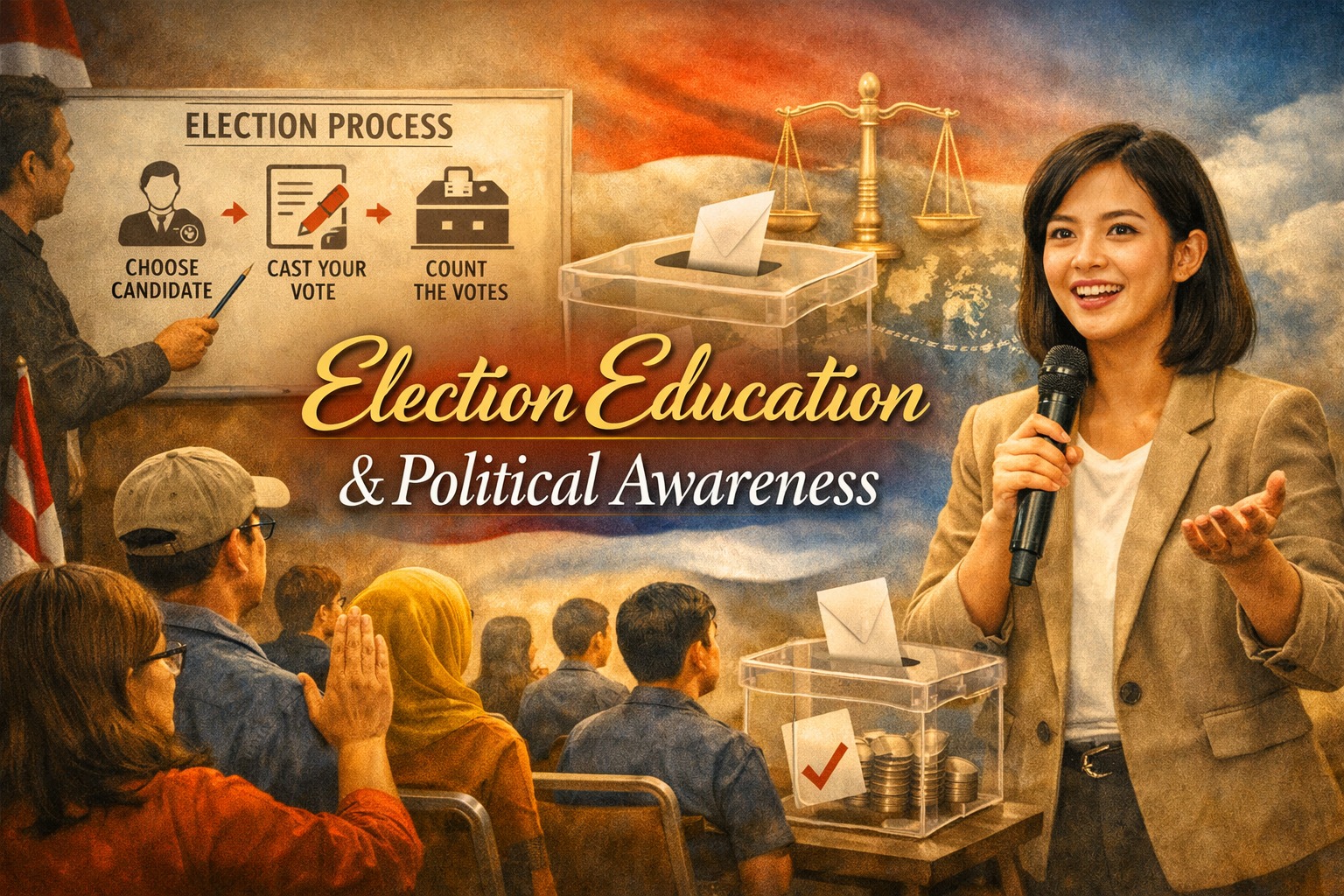
The democratic process begins long before election day. It starts with voter registration, candidate nominations, and campaign activities that allow candidates to present their ideas and policies. Election authorities prepare polling stations, educate voters, and ensure that voting procedures follow legal standards. Every stage is designed to promote fairness and transparency.
On election day, eligible citizens cast their votes through secure voting methods established by law. After voting ends, ballots are counted carefully under official supervision. The results are verified before being announced to the public. This transparent process helps ensure that every valid vote is counted accurately and fairly.
THE RIGHTS AND RESPONSIBILITIES OF VOTERS
Every eligible citizen has the right to vote without discrimination, intimidation, or unnecessary restrictions. Voters also have the right to receive accurate information about candidates and election procedures. These rights allow people to make informed decisions based on facts rather than misinformation. Equal voting rights are fundamental to every democratic society.
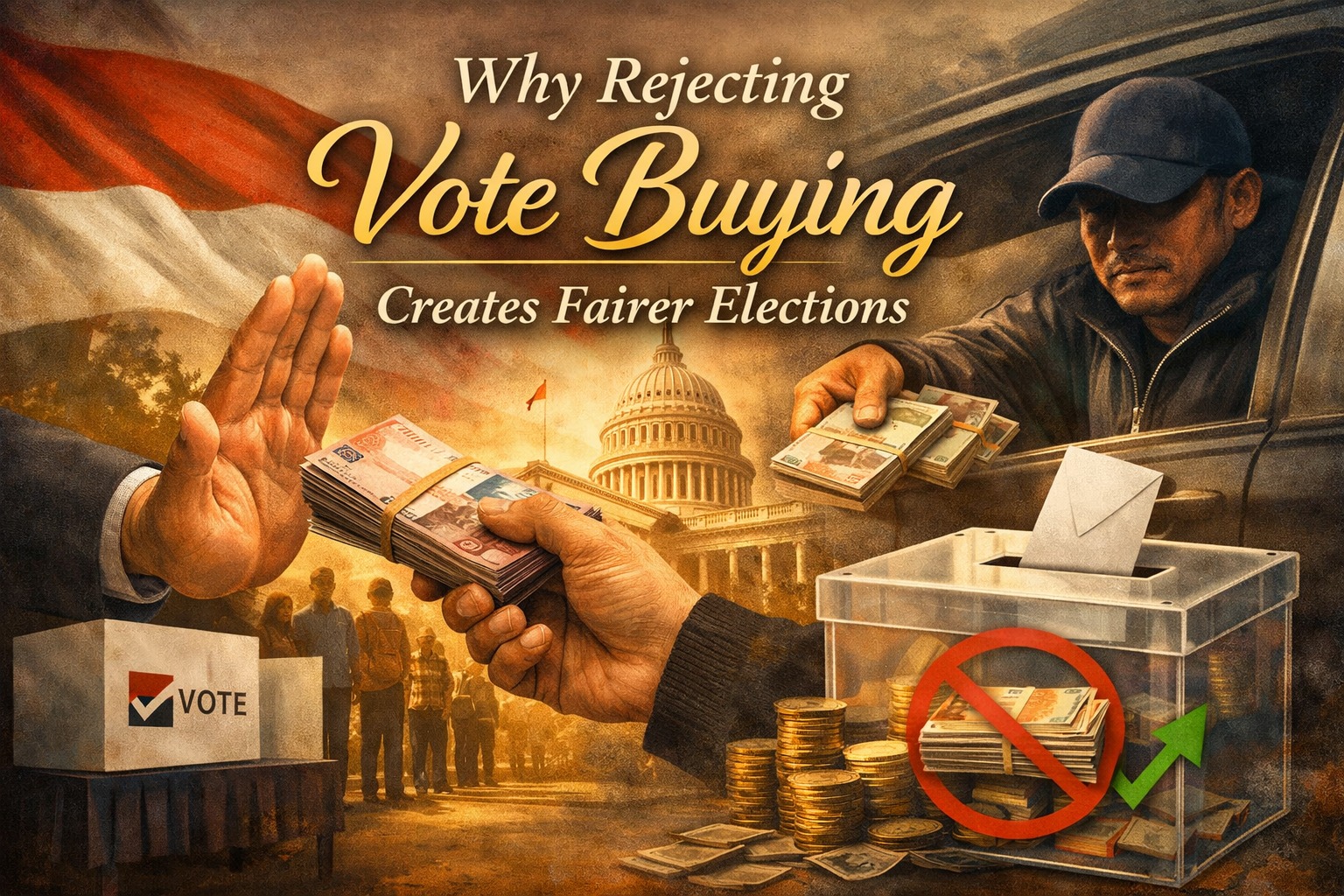
Along with these rights come important responsibilities. Citizens should study candidates' qualifications, respect different political opinions, and avoid spreading false information. Responsible voters also reject vote-buying and other unethical practices. By fulfilling these responsibilities, citizens contribute to fair elections and stronger democratic institutions.
COMMON CHALLENGES DURING ELECTIONS
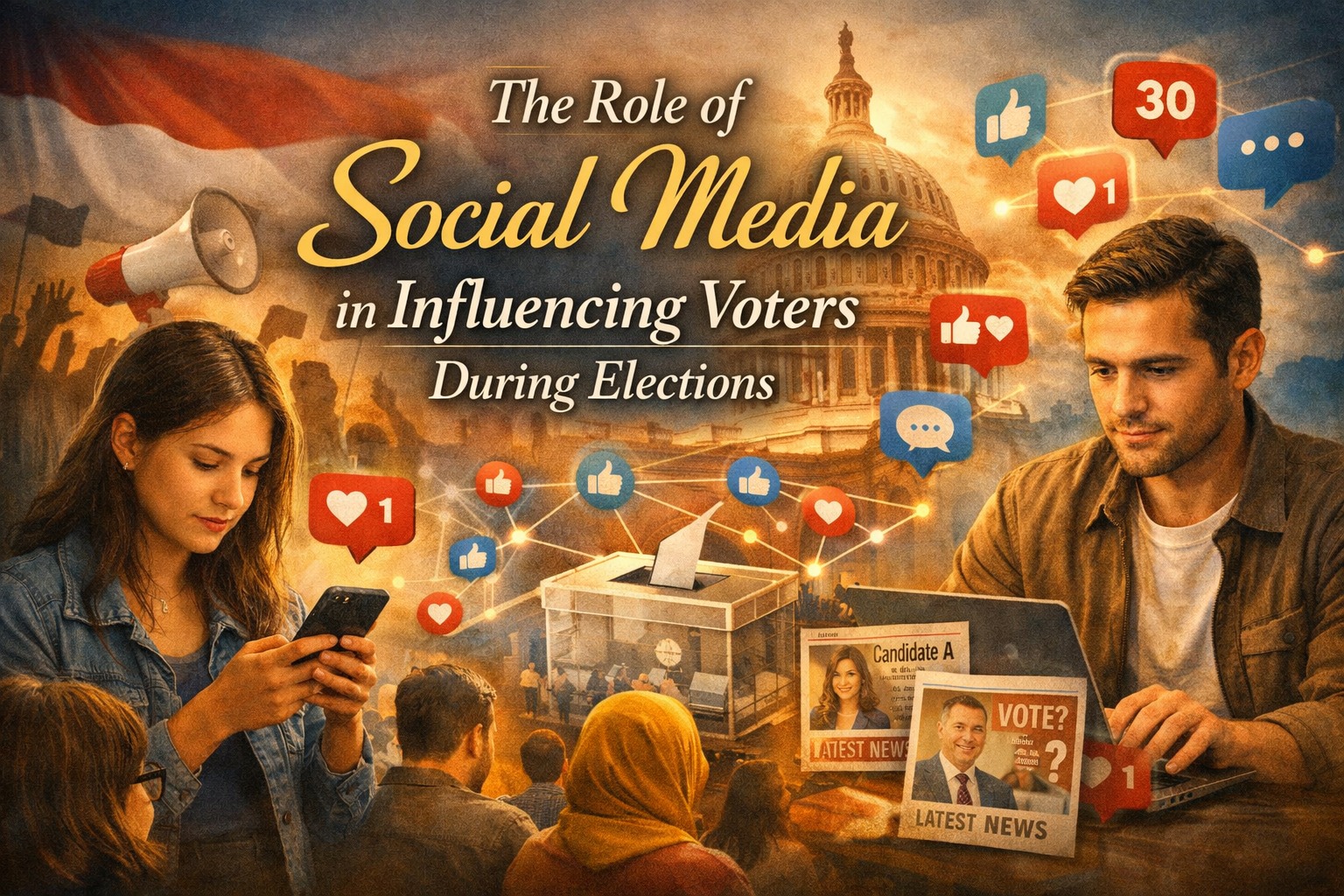
Modern elections face several challenges that can affect public trust. One major issue is the spread of misinformation through social media and online platforms. False information may confuse voters or influence public opinion unfairly. Therefore, people should verify news using reliable and official sources before sharing it.
Another challenge is voter apathy, where eligible citizens choose not to participate in elections. Low voter turnout can weaken democratic representation because fewer voices are included in the final outcome. Political polarization and election-related conflicts may also create tension within communities. Addressing these challenges requires education, transparency, and responsible civic engagement.
THE IMPORTANCE OF FREE AND FAIR ELECTIONS
A free and fair election ensures that every citizen has an equal opportunity to vote without pressure or manipulation. It guarantees that all candidates compete under the same legal conditions. Independent election management and transparent vote counting help maintain public confidence in the results. These principles are essential for protecting democracy.
Fair elections also strengthen government legitimacy because elected leaders truly represent the people's choice. Citizens are more likely to respect election outcomes when the process is transparent and credible. This trust encourages political stability and supports long-term national development. As a result, free and fair elections benefit both governments and society.
HOW TO BECOME A RESPONSIBLE VOTER?
Becoming a responsible voter starts with learning about the election process and understanding each candidate's policies. Always gather information from trustworthy sources instead of relying on rumors or misleading social media posts. Comparing different viewpoints helps voters make balanced and informed decisions. Knowledge is one of the strongest tools for protecting democracy.
Responsible voters also participate respectfully in political discussions and accept different opinions. They reject corruption, vote-buying, and any attempt to influence elections illegally. Participating peacefully and ethically contributes to stronger democratic values. Every responsible vote plays a meaningful role in shaping a better future.
CONCLUSION
Understanding the democratic process helps citizens recognize the importance of elections in building a fair and representative government. Elections are not only about choosing leaders but also about protecting democratic values through active public participation. Every voter has both rights and responsibilities that contribute to transparent and accountable governance. By supporting free and fair elections, rejecting misinformation, and making informed choices, citizens strengthen democracy for future generations. A well-informed society is the foundation of a successful and lasting democratic system.
About the Author
Gusti Ayu Tita P
Author — STEKOM University
An active author focused on academic issues, educational technology, and human resource development in the campus environment.