Ethics And Integrity In Carrying Out Structural Positions
Gusti Ayu Tita P
12 Agustus 2026
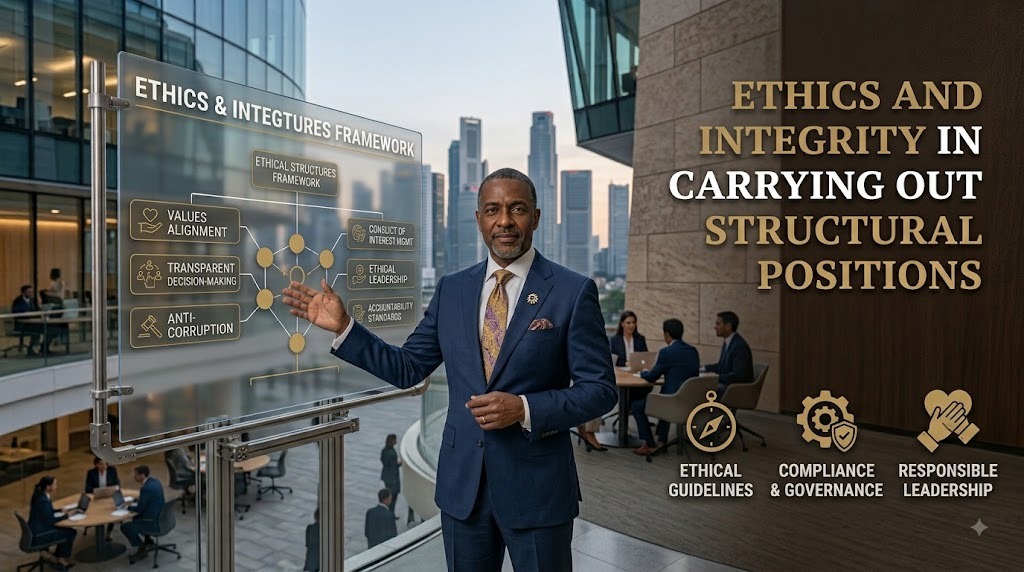
Ethics and integrity are essential foundations for individuals who hold structural positions in an organization. Structural leaders have authority to make decisions, manage resources, supervise employees, and influence organizational policies. Because their decisions can affect many people, they must use their authority responsibly and fairly. Ethical leadership and integrity help ensure that structural positions are carried out according to professional standards and organizational values.
A leader may have strong managerial skills, but these skills can create problems when they are not supported by ethical principles. Leaders must be able to distinguish between personal interests and organizational responsibilities. They should also demonstrate honesty, fairness, accountability, and respect in everyday activities. Strong ethics and integrity can create trust, transparency, and a professional organizational culture.
UNDERSTANDING ETHICS IN STRUCTURAL POSITIONS
Ethics refers to principles that guide individuals in determining appropriate and responsible behavior. In structural positions, ethical principles influence how leaders make decisions, treat employees, use resources, and respond to problems. Leaders should consider not only whether an action is effective but also whether it is fair and appropriate. Ethical decision making helps prevent actions that may harm employees or the organization.
Ethical behavior should be applied consistently rather than only when situations are easy. Leaders may face difficult choices involving competing interests, limited resources, or pressure from stakeholders. In such situations, organizational rules and professional values can provide important guidance. A strong ethical foundation supports responsible leadership and organizational credibility.
AVOIDING CONFLICTS OF INTEREST
A conflict of interest can occur when personal interests interfere with professional responsibilities. Structural leaders should recognize situations where their private relationships, financial interests, or other considerations could influence decisions. They should disclose relevant conflicts according to organizational policies and applicable requirements. Conflict of interest management helps protect the fairness of organizational decisions.
Leaders should not use their positions to provide inappropriate benefits to themselves, relatives, friends, or other parties. Procurement, recruitment, promotions, and allocation of organizational resources require particular attention. Clear procedures can reduce opportunities for personal interests to influence decisions. Preventing conflicts of interest strengthens transparency and institutional credibility.
PROMOTING TRANSPARENCY AND ACCOUNTABILITY
Transparency means providing appropriate and accurate information about organizational decisions and activities. Structural leaders should ensure that relevant processes can be reviewed and understood by authorized stakeholders. Transparency does not mean revealing confidential information without permission. Instead, it involves providing information responsibly according to applicable rules.
Accountability requires leaders to take responsibility for their actions and decisions. Leaders should be prepared to explain how resources were used and why particular decisions were made. Monitoring and reporting systems can help organizations identify weaknesses and correct problems. Transparency and accountability strengthen organizational trust.
MAINTAINING FAIRNESS IN EMPLOYEE MANAGEMENT
Structural leaders have an important influence on employee treatment. Employees should receive fair consideration in areas such as task distribution, performance evaluation, professional development, and recognition. Personal relationships should not become the basis for preferential treatment. Fair employee management can improve motivation and workplace trust.
Leaders should also provide employees with opportunities to express concerns and receive constructive feedback. When workplace problems occur, leaders should investigate them objectively before taking action. Consistent application of organizational standards helps employees understand that rules apply fairly. This creates respect, cooperation, and professional workplace relationships.
MANAGING ORGANIZATIONAL RESOURCES ETHICALLY
Structural leaders may have responsibility for financial resources, equipment, facilities, information, and human resources. These resources should be used for legitimate organizational purposes. Leaders must prevent waste, misuse, and unauthorized personal use. Ethical resource management supports organizational efficiency and accountability.
Resource decisions should be based on organizational priorities and clearly defined needs. Leaders should monitor how resources are allocated and identify potential risks. Proper documentation and reporting can make resource management easier to review. Responsible resource use demonstrates integrity and commitment to organizational objectives.
BUILDING AN ETHICAL ORGANIZATIONAL CULTURE
Leaders influence organizational culture through their daily behavior. Employees often observe how managers respond to mistakes, conflicts, rules, and ethical problems. If leaders consistently demonstrate honesty and fairness, employees may be encouraged to adopt similar behavior. Ethical leadership can therefore influence organizational culture beyond individual decisions.
An ethical culture also requires clear standards and appropriate mechanisms for reporting concerns. Employees should understand what behavior is acceptable and how potential misconduct can be reported through proper channels. Leaders should respond to concerns fairly and protect appropriate confidentiality. A strong ethical culture promotes trust, responsibility, and professional conduct.
LEADING BY EXAMPLE
Leaders cannot effectively promote integrity if their own behavior contradicts organizational values. Leading by example means demonstrating the standards expected from employees through everyday actions. Leaders should respect procedures, communicate honestly, and treat employees professionally. Their behavior can influence how employees understand organizational ethics.
Leaders should also acknowledge mistakes rather than attempting to hide them. Accepting responsibility can demonstrate maturity and encourage employees to be honest about problems. This approach can create an environment where problems are addressed rather than concealed. Leading by example strengthens ethical awareness and organizational trust.
HANDLING ETHICAL DILEMMAS
Structural leaders may encounter situations where two or more important interests appear to conflict. For example, a leader may need to balance organizational efficiency with fairness to employees or public expectations with limited resources. Such situations require careful consideration rather than immediate decisions. Ethical reasoning can help leaders identify the most responsible course of action.
Leaders should review relevant rules, gather reliable information, consider affected stakeholders, and evaluate potential consequences. Consultation with appropriate colleagues or ethics functions may also be useful when the situation is complex. Decisions should be documented when necessary. A careful approach helps leaders maintain fairness, responsibility, and professional judgment.
DEVELOPING ETHICAL LEADERSHIP COMPETENCE
Ethical leadership can be strengthened through continuous learning and professional development. Training can help leaders understand organizational policies, professional standards, conflict of interest principles, and responsible decision making. Practical case discussions can also prepare leaders for difficult situations. Ethics training should be connected to real workplace responsibilities.
Organizations should evaluate whether ethical standards are being applied consistently. Feedback, internal monitoring, and performance evaluations can identify areas that need improvement. Leaders should remain open to learning from mistakes and changing practices when necessary. Continuous development supports stronger ethical leadership and organizational resilience.
CONCLUSION
Ethics and integrity in carrying out structural positions are essential for maintaining trust, fairness, accountability, and organizational credibility. Leaders have authority over people, resources, and decisions, so they must use that authority responsibly. Ethical behavior should be reflected in decision making, employee management, resource use, communication, and conflict handling.
Strong ethics cannot be built through rules alone. Organizations need leaders who consistently demonstrate integrity, transparency, fairness, accountability, and responsible leadership. By leading through example, managing conflicts of interest, evaluating decisions objectively, and developing ethical competencies, structural leaders can create a professional culture that supports sustainable organizational performance.
About the Author
Gusti Ayu Tita P
Author — STEKOM University
An active author focused on academic issues, educational technology, and human resource development in the campus environment.