
How To Choose The Right Visa For Your Travel Purpose?
Gusti Ayu Tita P
24 Agustus 2026
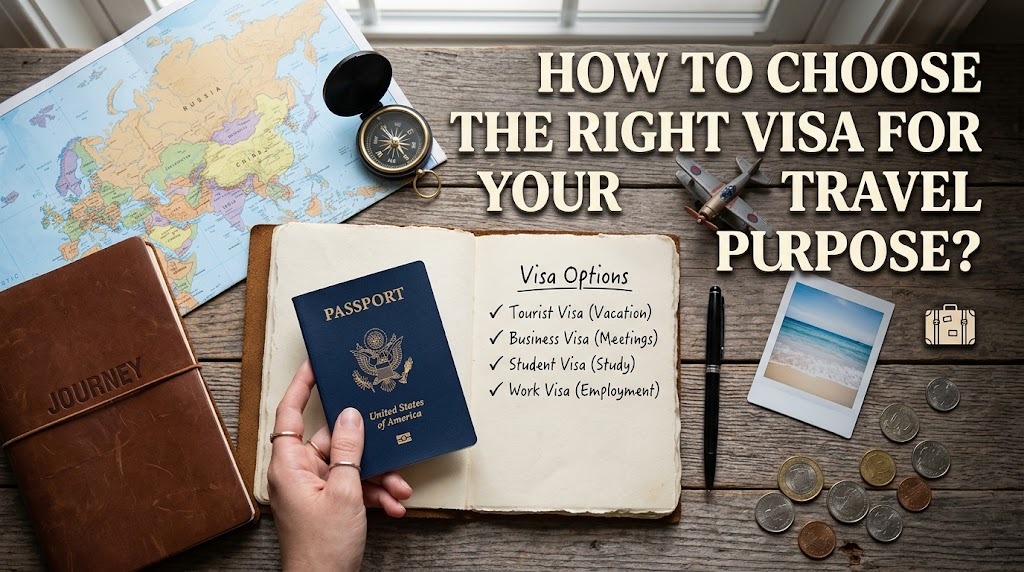
Choosing the right visa is an important part of preparing for international travel. Visa requirements depend on the purpose of the trip, the destination country, the traveler’s nationality, and the planned length of stay. A visa intended for tourism may not allow a traveler to study or work legally. Understanding the available options before applying can help travelers avoid mistakes, delays, or visa rejection.
UNDERSTAND YOUR TRAVEL PURPOSE
The first step in choosing the right visa is identifying why you are traveling. Common purposes include tourism, education, business, employment, visiting family, or participating in specific activities. Each purpose can have different immigration requirements and restrictions. Travelers should choose a visa category that accurately reflects what they intend to do in the destination country.
For example, someone traveling for a short holiday may need a tourist visa, while a person planning to attend a university program may require a student visa. A traveler attending meetings or conferences may need a business-related visa depending on the destination's rules. Clearly defining the purpose of travel makes it easier to identify the appropriate visa category.
CHECK THE VISA OPTIONS
After identifying the purpose of travel, travelers should research the visa categories available for their destination. Some countries have several categories that appear similar but have different conditions. The permitted activities, duration of stay, number of entries, and application requirements may vary between categories.
Travelers should use official immigration or embassy information as their primary source. Visa rules can change, and information from unofficial websites may become outdated. Checking the latest requirements before applying helps ensure that the selected visa matches the intended trip.
CHOOSE A TOURIST VISA FOR HOLIDAYS
A tourist visa is generally designed for travelers visiting a country for leisure, sightseeing, or other permitted short-term visitor activities. It may allow travelers to explore attractions, visit friends, or take a holiday. However, tourist visas commonly restrict activities such as employment or long-term study. The exact rules depend on the destination country.
Before applying, travelers should check the permitted length of stay and entry conditions. Some tourist visas allow one entry, while others may permit multiple entries during a specified validity period. Travelers should also confirm whether their nationality qualifies for visa-free entry, an electronic travel authorization, or another simplified procedure.
CONSIDER A STUDENT VISA FOR EDUCATION
Students planning to study abroad for an eligible program may need a student visa or another education-related immigration permission. The requirements can include an admission letter from an educational institution, proof of financial support, health-related documents, and other supporting evidence. The exact requirements depend on the destination and the type and duration of the study program.
A student visa may provide rights and conditions that differ significantly from those of a tourist visa. Studying on a tourist visa may not be permitted, particularly for long-term or formal education. Students should therefore confirm the appropriate immigration category with both the educational institution and the destination country's official authorities.
UNDERSTAND BUSINESS AND WORK VISAS
Travelers visiting another country for professional activities should determine whether they need a business visa or work authorization. Business visas may cover activities such as attending meetings, conferences, or negotiations, depending on local regulations. They generally do not automatically provide permission to take up employment.
A work visa or work permit may be required when a person intends to perform paid employment in the destination country. Working without the correct authorization can lead to immigration or legal problems. Travelers should carefully distinguish between attending business activities and actually working for an employer in the destination country.
CHECK THE LENGTH OF STAY
The planned length of the trip is another important factor when selecting a visa. Some visas are designed for short-term visits, while others support longer stays under specific conditions. The visa validity period and permitted duration of stay may also be different. Travelers should understand both before finalizing their plans.
For example, a visa can remain valid for several months while allowing only a limited number of days in the destination country. Visa validity does not always equal permitted stay. Checking these details carefully can help travelers avoid overstaying and potential immigration consequences.
CHECK ENTRY AND EXIT CONDITIONS
Travelers should also determine whether they need a single-entry or multiple-entry visa. A single-entry visa may generally be used for one entry, while a multiple-entry visa can allow several entries during its validity period, subject to the visa conditions. This distinction becomes particularly important for travelers planning trips to several countries or returning to the same destination.
Travelers should also check whether there are specific exit requirements or restrictions connected to their visa. Leaving and re-entering a country may affect the validity or use of certain visas. Understanding these conditions before booking transportation can prevent unexpected problems during a trip.
PREPARE THE REQUIRED DOCUMENTS
Once the correct visa category has been identified, travelers should create a visa document checklist. Common documents can include a valid passport, application form, photographs, proof of accommodation, financial evidence, travel plans, and supporting documents related to the purpose of travel. However, requirements vary depending on the country and visa category.
Applicants should make sure that all information is accurate and consistent. Differences between the application form, passport, financial documents, and travel plans can lead to additional questions or delays. Documents that require translation or certification should also follow the destination country's specific instructions.
AVOID CHOOSING A VISA BASED ONLY ON CONVENIENCE
Choosing a visa simply because it appears easier to obtain can create problems later. The visa must match the actual purpose of the trip, even if another category seems more convenient. Immigration authorities can impose restrictions on activities that travelers may perform under each visa type.
For example, using a tourist visa to undertake activities that require work authorization may violate immigration rules. Similarly, using a short-term visitor category for a long-term educational program may not be appropriate. The safest approach is to choose the category that legally corresponds to the planned activities.
CHECK OFFICIAL INFORMATION BEFORE APPLYING
Before submitting an application, travelers should verify the requirements through the official website of the destination country's immigration authority, embassy, or consulate. These sources can provide current information about visa categories, fees, processing procedures, and supporting documents. They can also explain whether citizens of a particular nationality need a visa.
Travelers should avoid assuming that requirements are identical between countries. Visa policies differ from one destination to another and can change over time. Checking official information shortly before applying can reduce the risk of using outdated requirements.
CONCLUSION
Choosing the right visa starts with understanding the purpose, duration, and activities of the planned trip. Tourist, student, business, and work visas have different functions and conditions, so selecting the correct category is essential. Travelers should also consider the number of entries, permitted stay, passport requirements, and supporting documents. Careful preparation can make the application process more organized.
Most importantly, travelers should rely on current official immigration information rather than assumptions or outdated advice. A visa that is suitable for one traveler may not be suitable for another because requirements can depend on nationality and individual circumstances. By matching the visa to the actual travel purpose, applicants can reduce avoidable mistakes and prepare more confidently for international travel.
About the Author
Gusti Ayu Tita P
Author — STEKOM University
An active author focused on academic issues, educational technology, and human resource development in the campus environment.