How to Find Job Opportunities Quickly at a Job Fair?
Gusti Ayu Tita P
27 Agustus 2026
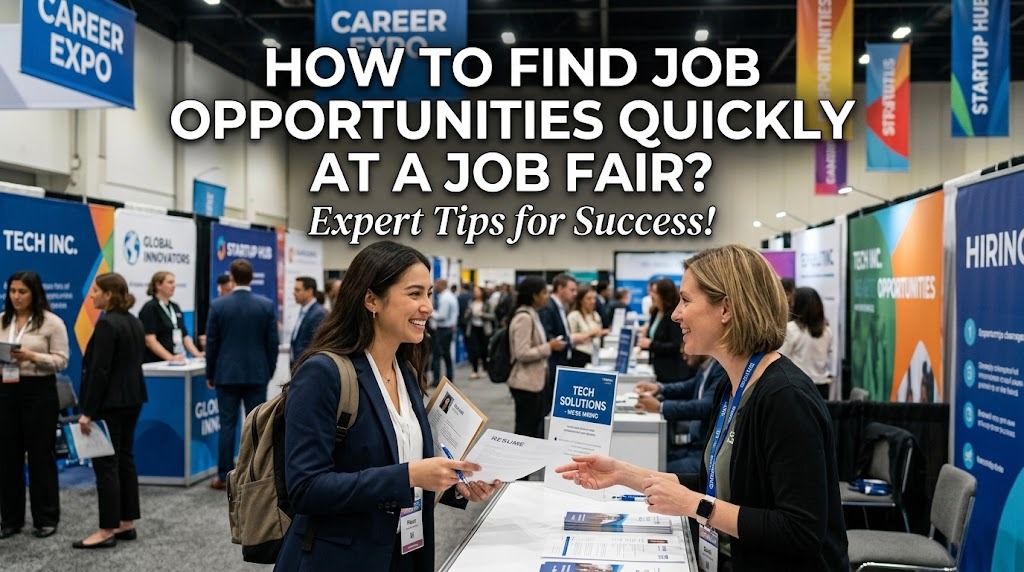
A job fair can be an effective way to discover multiple employment opportunities in one place. Instead of searching for companies one by one, job seekers can meet recruiters, learn about available positions, and submit applications during the same event. However, a busy job fair can also feel overwhelming when many companies and candidates are present. Having the right strategy can help you save time and focus on the opportunities that match your career goals.
RESEARCH COMPANIES BEFORE THE EVENT
The first step to finding job opportunities quickly is researching the companies that will attend the job fair. Check the official event information and make a list of employers offering positions related to your education, skills, and career interests. Read their job descriptions carefully and note the qualifications required for each position. Rank companies according to how closely their vacancies match your profile. This preparation helps you avoid spending too much time at booths that are not relevant to your goals.
You should also learn basic information about your priority companies. Understanding their business, industry, and work culture can make your conversation with recruiters more meaningful. It also shows that you are genuinely interested rather than simply collecting job advertisements. Prepare a few relevant questions before attending the event. This approach allows you to move through the job fair more efficiently.
PREPARE AN UPDATED CV
An updated CV is essential when attending a job fair. Make sure your education, work experience, internships, projects, skills, certifications, and contact details are accurate. Highlight experiences that are relevant to the positions you want to pursue. Keep the layout clean and easy to read so recruiters can quickly identify important information. If you are applying for different types of positions, consider preparing more than one version of your CV.
Digital copies are also useful because some companies may accept applications through online forms or QR codes. Save your CV in a professional file format and use a clear file name. Check the document carefully for spelling errors before the event. Having both printed and digital versions gives you more flexibility. Good preparation can make the application process much faster.
CREATE A PRIORITY LIST
A priority list can help you manage your time when many companies are participating in the job fair. Place companies with the most suitable vacancies at the top of your list. Consider factors such as job responsibilities, qualifications, career development, work location, and industry. Visit your highest priority booths first, especially if the event is expected to be crowded. After completing your main targets, you can explore other companies that may offer suitable opportunities.
Avoid trying to visit every booth without a clear plan. Spending too much time at one booth can prevent you from discovering other relevant vacancies. Keep conversations focused while remaining polite and professional. Take brief notes after speaking with each recruiter. This system makes it easier to remember which opportunities deserve further attention.
ARRIVE EARLY
Arriving early can give you an advantage at a busy job fair. Crowds and queues are often more manageable at the beginning of an event. You may have more time to speak with recruiters and ask questions without feeling rushed. Early arrival also allows you to locate important areas such as registration desks, recruitment booths, interview rooms, and information counters. Use the extra time to review your priority list before starting.
Being early also gives you time to prepare mentally. Make sure your phone is charged, your documents are ready, and your appearance is professional. A calm start can help you communicate more confidently with recruiters. You can then follow your planned route instead of reacting to the crowd. Good time management can make the entire job fair experience more productive.
SPEAK DIRECTLY WITH RECRUITERS
One of the biggest advantages of a job fair is the opportunity to meet recruiters directly. Use this opportunity to introduce yourself briefly and explain the type of position you are looking for. Mention one or two relevant skills or experiences that make you a potential candidate. Ask about the position, recruitment process, and qualifications if the information is not already available. Keep the conversation concise but meaningful.
Prepare a short personal introduction before the event so you do not have to think about every word on the spot. Avoid memorizing a long speech because natural communication is more effective. Listen carefully to the recruiter's response and answer questions honestly. If a position is not suitable, ask whether the company has other entry level or relevant opportunities. A professional conversation can sometimes reveal opportunities beyond the vacancy you initially noticed.
USE DIGITAL APPLICATIONS
Many modern job fairs use digital registration systems to speed up recruitment. Companies may provide QR codes, online application forms, recruitment platforms, or digital career portals. Keep your smartphone ready and make sure your internet connection works properly. Complete online applications carefully and check all information before submitting them. Save confirmation messages or application details when available.
Digital applications can help you apply to several suitable positions without carrying large amounts of paperwork. However, do not submit applications randomly just to increase the number of applications. Focus on positions that match your qualifications and career direction. If the recruiter gives specific instructions, follow them carefully. Completing the correct application process can prevent your submission from being overlooked.
ASK RELEVANT QUESTIONS
Asking thoughtful questions can help you understand whether a position is right for you. You can ask about the main responsibilities, required skills, recruitment stages, training opportunities, or career development. Avoid asking questions whose answers are already clearly provided in the job description. Instead, use the conversation to learn information that is not immediately available. This also demonstrates that you have prepared before approaching the company.
Your questions should remain professional and relevant to the position. If the recruiter explains something important, listen carefully and make a short note afterward. Do not dominate the conversation or interrupt while the recruiter is speaking. A balanced conversation creates a better impression. It can also help you decide whether the opportunity deserves further consideration.
RECORD EVERY PROMISING OPPORTUNITY
Job fairs can involve many conversations, making it easy to forget important details. After visiting a booth, record the company name, position, application method, recruiter instructions, and any deadlines mentioned. If the company provides an official contact or recruitment channel, save the information carefully. You can use these notes to compare opportunities after the event. Organized records also reduce the risk of missing an important follow up.
Do not rely entirely on memory, especially if you visit many companies. A simple note on your phone can be enough. Separate high priority opportunities from positions that are only potential alternatives. This makes the next stage of your job search more organized. Good documentation can save time and prevent confusion.
FOLLOW UP AFTER THE JOB FAIR
Your job search should not end when the job fair closes. Review your notes and complete any additional application steps requested by the companies. If you were asked to apply through an official website or recruitment platform, do so within the stated deadline. Check your email and other relevant communication channels regularly for updates. Follow the company's instructions instead of sending repeated messages without a clear purpose.
A professional follow up should be concise and respectful. If a recruiter provided a specific communication channel for candidates, use that channel appropriately. Avoid contacting recruiters too frequently because it may create a negative impression. The goal is to demonstrate interest while respecting the recruitment process. Consistent and professional follow up can help keep your application organized.
CONCLUSION
Finding job opportunities quickly at a job fair requires more than simply visiting as many booths as possible. Research companies beforehand, prepare an updated CV, create a priority list, and arrive early to use your time effectively. During the event, communicate directly with recruiters, ask relevant questions, and take advantage of digital application systems. These steps can help you identify suitable vacancies more efficiently.
After the event, record promising opportunities and complete the required follow up. Remember that a job fair is not only a place to submit applications but also an opportunity to build professional connections and understand employer expectations. With proper preparation and a focused strategy, you can make your job fair experience more productive and increase your chances of finding the right career opportunity.
About the Author
Gusti Ayu Tita P
Author — STEKOM University
An active author focused on academic issues, educational technology, and human resource development in the campus environment.