
How to Increase Your Chances of Getting Hired at a Job Fair?
Gusti Ayu Tita P
27 Agustus 2026
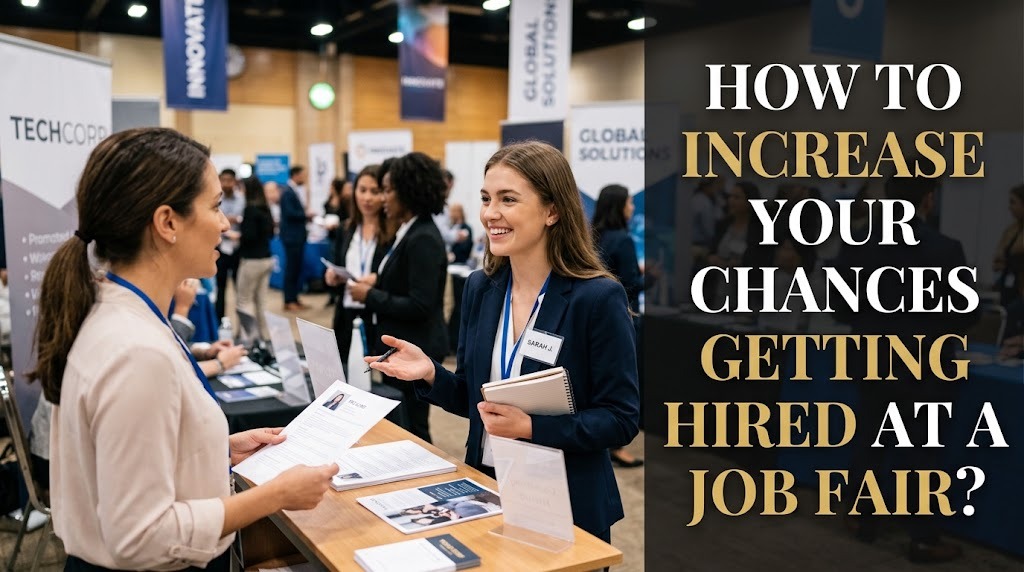
A job fair can be an effective way for students, fresh graduates, and job seekers to meet recruiters from multiple companies in one place. However, simply attending the event and handing out resumes does not guarantee a job offer. Candidates need to prepare carefully, communicate professionally, and understand how to present their qualifications.
Competition at a job fair can be high because many candidates may apply for the same position. A focused strategy can help you stand out without exaggerating your abilities. From researching companies to following up after the event, every step can influence your chances of moving forward in the recruitment process.
RESEARCH COMPANIES BEFORE THE JOB FAIR
Start by finding out which companies will participate in the job fair. Review their business areas, available positions, job requirements, and preferred qualifications. This information helps you identify employers that match your education, skills, interests, and career goals.
Create a short list of priority companies before attending the event. Prepare a few relevant questions for each recruiter so your conversations are more focused. Candidates who understand the companies they approach can usually communicate their interest more effectively than those who arrive without preparation.
PREPARE A PROFESSIONAL RESUME
Your resume is one of the most important documents to bring to a job fair. Make sure it clearly presents your education, experience, skills, projects, and achievements. Highlight information that is relevant to the position rather than including every activity you have ever completed.
Consider preparing different versions of your resume when applying for different types of positions. Use a clean layout, readable formatting, and accurate information. Bring printed copies and keep a digital PDF version available in case a recruiter asks you to submit your application online.
PRACTICE YOUR SELF INTRODUCTION
Job fairs often provide only a limited amount of time to speak with recruiters. Prepare a short self-introduction that includes your name, educational background, relevant experience, key skills, and career interests. The goal is to give the recruiter a clear overview without repeating your entire resume.
Practice the introduction before the event, but avoid sounding as though you are reciting a memorized script. Speak naturally and confidently. A well-prepared introduction can help reduce nervousness and make it easier to start a meaningful conversation with a recruiter.
HIGHLIGHT RELEVANT SKILLS
Employers look for candidates whose skills match the needs of the position. Review the job description and identify the technical skills and soft skills that are most relevant. Be prepared to explain how you have developed those skills through education, internships, organizations, projects, or other activities.
Do not simply list skills without evidence. For example, instead of saying you have leadership skills, briefly describe a project or organization where you coordinated other people. Specific examples make your qualifications more credible. Always be honest about your level of expertise and avoid claiming skills you cannot demonstrate.
MAKE A STRONG FIRST IMPRESSION
Your appearance and behavior can influence the first impression you create at a job fair. Wear clean, neat, and appropriate professional clothing based on the event and industry. Maintain good posture, use natural eye contact, and greet recruiters politely.
Professionalism also includes respecting the recruiter's time. Keep your initial conversation focused, especially when other candidates are waiting. Avoid using your phone while speaking and remain patient if the recruiter is busy. Small details in your behavior can demonstrate that you understand professional workplace etiquette.
ASK SMART AND RELEVANT QUESTIONS
A job fair should be treated as a two-way conversation rather than an opportunity to simply submit a resume. Ask questions about the position, required skills, work responsibilities, or recruitment process. Good questions can show that you have researched the company and are genuinely interested in the opportunity.
Avoid asking questions that are already answered clearly in the job advertisement. You should also avoid making compensation the central topic of your first conversation unless the recruiter invites the discussion. Focus first on understanding the role and determining whether it matches your career goals.
USE NETWORKING OPPORTUNITIES
A job fair can help you build professional connections beyond the companies where you submit applications. You may meet recruiters, employees, industry professionals, or other candidates who can provide useful insights. Communicate respectfully and focus on creating genuine professional relationships.
Networking is not simply about collecting as many contacts as possible. Remember the people you meet and the information they provide. If appropriate, connect through a professional platform and maintain communication without being intrusive. A strong professional network can become useful when future opportunities arise.
FOLLOW UP AFTER THE EVENT
Your interaction with a recruiter should not necessarily end when you leave the job fair. If the recruiter provides instructions for the next stage, follow them carefully and within the requested timeframe. Check your email and other communication channels regularly so you do not miss recruitment updates.
When appropriate, send a brief and professional follow-up message to thank the recruiter for the conversation. Mention the position you discussed so the recruiter can easily identify your interaction. Avoid sending repeated messages or pressuring the recruiter for an immediate decision.
LEARN FROM REJECTION AND KEEP IMPROVING
Not every conversation at a job fair will lead to an interview or job offer. Companies may have limited vacancies, many qualified applicants, or specific hiring requirements. A rejection does not automatically mean that you lack ability or potential.
Use each job fair as an opportunity to evaluate your preparation. Consider whether your resume needs improvement, whether your introduction was clear, or whether you applied for positions that matched your qualifications. Continuous improvement can make you better prepared for the next recruitment opportunity.
CONCLUSION
Increasing your chances of getting hired at a job fair requires preparation before the event, professional communication during the event, and appropriate follow-up afterward. Research companies, prepare a strong resume, practice your introduction, highlight relevant skills, and ask thoughtful questions. These steps can help you present yourself more effectively and make a stronger impression on recruiters.
A job fair does not guarantee immediate employment, but it can provide valuable access to employers and career opportunities. Treat every conversation as a chance to learn, demonstrate your potential, and build professional connections. With consistent preparation and a willingness to improve, you can increase your readiness and opportunities in the job market.
About the Author
Gusti Ayu Tita P
Author — STEKOM University
An active author focused on academic issues, educational technology, and human resource development in the campus environment.