How to Pass the Ministry Civil Service Recruitment with the Best Preparation?
Gusti Ayu Tita P
1 Agustus 2026
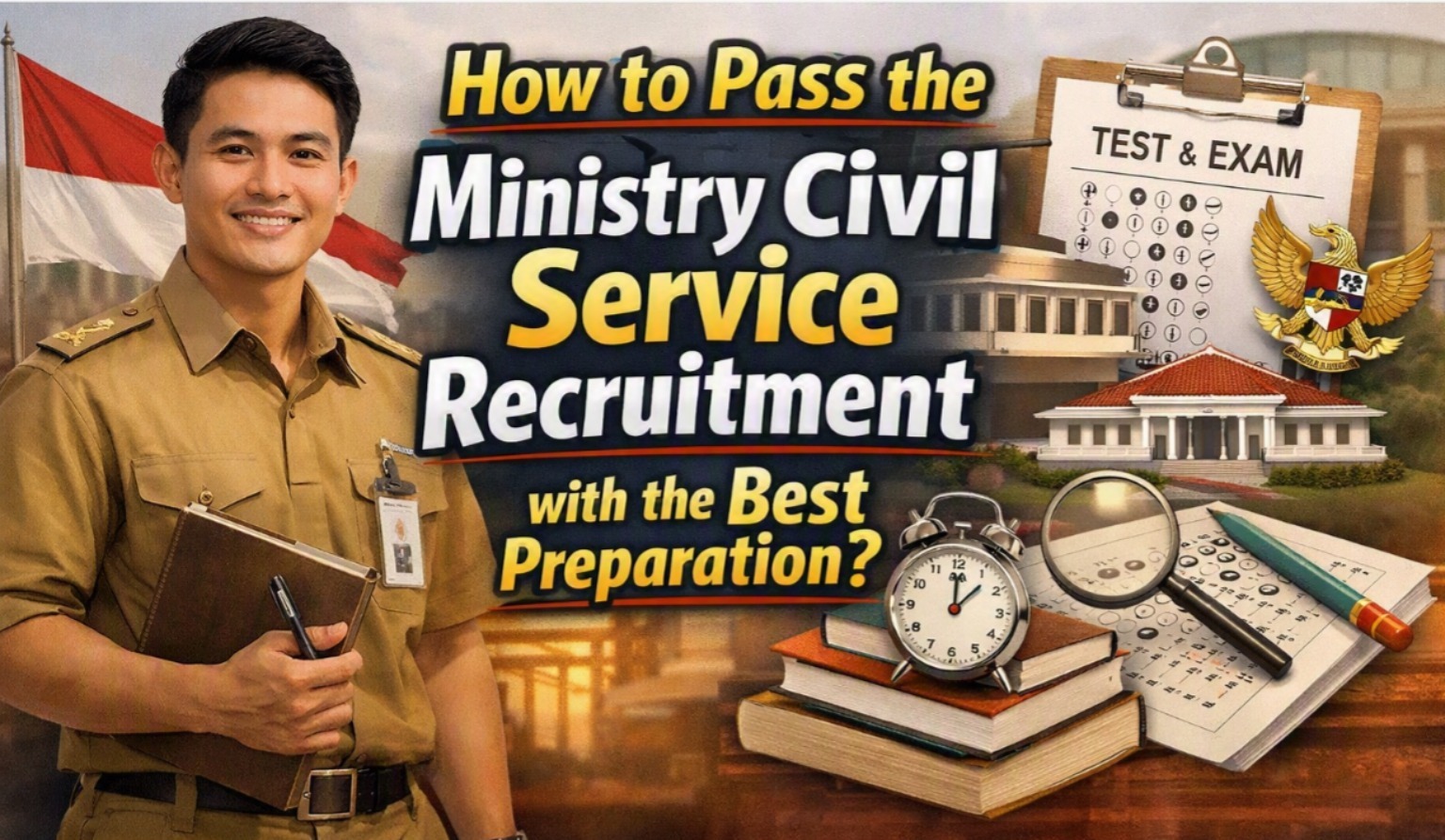
Working in a ministry as a civil servant is a dream for many people because it offers career stability, professional development, and the opportunity to serve the public. However, the recruitment process is highly competitive, requiring applicants to prepare carefully long before the registration period begins. Every stage is designed to evaluate a candidate's knowledge, skills, integrity, and professional attitude. Therefore, having a well-planned preparation strategy can significantly improve your chances of success. This guide explains practical steps that can help you confidently face the ministry civil service recruitment process.
UNDERSTAND THE RECRUITMENT PROCESS
Before starting your preparation, it is essential to understand how the ministry civil service recruitment process works. Each ministry may have different requirements, but the overall recruitment stages usually include document verification, competency tests, interviews, and sometimes health examinations. Reading the official recruitment guidelines carefully helps you avoid mistakes during registration. You should also pay attention to deadlines, eligibility requirements, and required documents.
Understanding every recruitment stage allows you to prepare more efficiently. Instead of studying randomly, you can focus on the competencies that are most likely to be tested. This approach also reduces unnecessary stress because you already know what to expect. Staying informed through official government announcements ensures that you receive accurate and up-to-date information.
BUILD A STRONG STUDY PLAN
A successful candidate rarely relies on last-minute preparation. Creating a structured study plan allows you to cover all important subjects gradually. Allocate regular study hours for topics such as general knowledge, logical reasoning, national values, and professional competencies. Consistency is much more effective than studying for long hours only a few days before the exam.
Your study plan should also include regular reviews and practice sessions. Solving sample questions helps you become familiar with the exam format and improves your confidence. Track your progress each week to identify weak areas that need additional attention. By following a disciplined schedule, you can steadily improve your performance without feeling overwhelmed.
IMPROVE YOUR KNOWLEDGE AND SKILLS
The recruitment examination measures both your academic understanding and your practical abilities. Besides studying theory, work on developing critical thinking, problem-solving, and analytical skills. Reading current affairs, government policies, and national development programs can also strengthen your general knowledge. These topics often help during written examinations and interviews.
Improving communication skills is equally important. During interviews, recruiters often evaluate how clearly you express your ideas and how confidently you answer questions. Practice explaining your opinions in a structured and professional manner. Strong communication demonstrates that you are prepared to work effectively within a government institution.
PREPARE ALL REQUIRED DOCUMENTS
Many applicants fail not because of poor test results but because they submit incomplete or incorrect documents. Carefully prepare important documents such as identification cards, educational certificates, academic transcripts, and other supporting files requested by the ministry. Ensure that every document is clear, valid, and uploaded according to the required format.
Keep both digital and printed copies organized in separate folders for easy access. Double-check every uploaded file before submitting your application. Missing even a single required document may lead to automatic disqualification. Careful document preparation reflects your professionalism and attention to detail.
PRACTICE INTERVIEW AND PROFESSIONAL ATTITUDE
The interview stage allows recruiters to evaluate your personality, motivation, and suitability for public service. Practice answering common interview questions about your background, career goals, strengths, weaknesses, and reasons for joining the ministry. Providing honest, confident, and well-structured answers creates a positive impression.
Professional appearance and respectful behavior are also essential during interviews. Arrive on time, dress appropriately, maintain eye contact, and communicate politely throughout the conversation. Interviewers often value your attitude as much as your technical knowledge. Demonstrating integrity and responsibility can distinguish you from other candidates.
MAINTAIN YOUR PHYSICAL AND MENTAL READINESS
Preparing for civil service recruitment is not only about studying but also about maintaining your overall well-being. Get enough sleep, eat nutritious food, exercise regularly, and manage stress effectively throughout your preparation period. A healthy body supports better concentration, memory, and decision-making during examinations.
Mental preparation is equally valuable. Stay positive even if you face difficult practice questions or temporary setbacks. Build confidence by recognizing your progress and maintaining consistent preparation habits. A calm and focused mindset helps you perform better under exam pressure and during interviews.
CONCLUSION
Passing the Ministry Civil Service Recruitment requires careful planning, consistent learning, and strong determination. Understanding the recruitment process, creating a study plan, improving your knowledge, preparing complete documents, practicing interviews, and maintaining physical and mental health all contribute to better performance. Success does not happen overnight, but disciplined preparation greatly increases your chances. With dedication and the right strategy, you can confidently compete for a rewarding career in public service.
About the Author
Gusti Ayu Tita P
Author — STEKOM University
An active author focused on academic issues, educational technology, and human resource development in the campus environment.