How To Quickly Adapt To New Friends And A New School Environment During MPLS?
Gusti Ayu Tita P
18 Oktober 2026
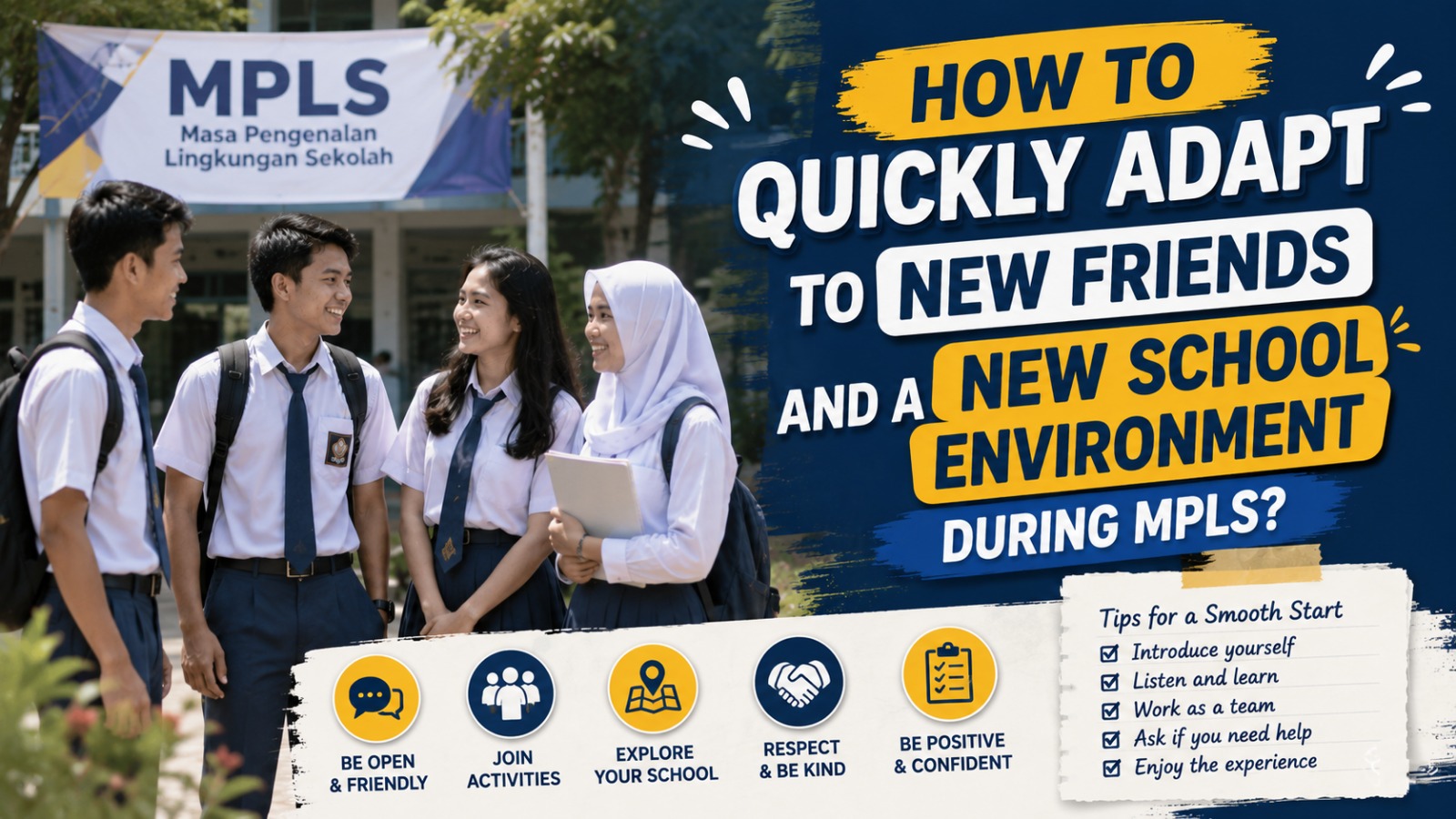
Starting at a new school is an exciting experience, but it can also feel challenging for many students. Meeting unfamiliar classmates, learning new school rules, and adjusting to a different environment often create feelings of nervousness. MPLS (School Environment Orientation Period) is designed to help students overcome these challenges by providing a welcoming introduction to school life.
A successful MPLS experience helps students build confidence, develop friendships, and understand their new surroundings more quickly. By taking an active role during orientation, students can reduce anxiety and enjoy a smoother transition into their academic journey. The following guide explains practical ways to adapt quickly to new friends and a new school environment during MPLS.
DEVELOP A POSITIVE MINDSET
One of the most important steps in adapting to a new school is maintaining a positive mindset. Instead of worrying about unfamiliar situations, students should view MPLS as an opportunity to learn, grow, and create meaningful friendships. Every new student is experiencing similar emotions, making it easier to connect with others.
A positive attitude encourages students to participate in activities with confidence. Smiling, being approachable, and showing enthusiasm make it easier to start conversations with classmates. Positive thinking also helps students overcome fear and enjoy every orientation session.
INTRODUCE YOURSELF TO NEW FRIENDS
Building friendships begins with a simple introduction. During MPLS, students should not hesitate to introduce themselves to classmates, teachers, and orientation leaders. Asking simple questions about hobbies, interests, or previous schools is an excellent way to begin conversations. These small interactions often lead to lasting friendships.
Getting to know many classmates also creates a stronger support system throughout the school year. Students who have friends usually feel more comfortable participating in classroom activities. Strong friendships contribute to both emotional well-being and academic success.
PARTICIPATE ACTIVELY IN MPLS ACTIVITIES
Active participation is one of the fastest ways to adapt to a new school environment. MPLS usually includes group discussions, educational games, school tours, and teamwork activities that encourage interaction among students. Joining these activities helps students become more familiar with their surroundings while meeting new people.
Participating actively also builds communication, teamwork, and leadership skills. Instead of remaining quiet, students should volunteer when possible and contribute to group conversations. Every activity provides valuable opportunities to develop confidence and social connections.
LEARN ABOUT SCHOOL RULES AND CULTURE
Understanding school rules and school culture is essential for successful adaptation. During MPLS, teachers explain important policies regarding attendance, discipline, uniforms, classroom behavior, and school values. Paying attention to these explanations helps students avoid unnecessary mistakes later.
Learning about the school's culture also helps students understand expected behaviors and positive traditions. Respecting these values allows students to integrate more smoothly into the school community. Following school expectations creates a comfortable learning environment for everyone.
BUILD GOOD COMMUNICATION WITH TEACHERS
Teachers play an important role in helping students feel comfortable during MPLS. Students should not be afraid to ask questions whenever they need clarification about school procedures or academic expectations. Open communication creates trust and strengthens the relationship between students and teachers.
Respectful communication also encourages teachers to provide guidance whenever students experience difficulties. Feeling supported by teachers increases confidence and reduces anxiety. A positive teacher-student relationship becomes an important factor in long-term academic success.
TAKE CARE OF YOUR PHYSICAL AND MENTAL HEALTH
Good physical health helps students participate actively throughout the orientation program. Getting enough sleep, eating nutritious meals, drinking plenty of water, and preparing school supplies in advance all contribute to a successful MPLS experience. Healthy students can focus better and enjoy activities with greater energy.
Mental preparation is equally important. Students should remember that feeling nervous is completely normal during the first few days of school. Staying calm, thinking positively, and accepting new experiences make adaptation much easier and more enjoyable.
BE OPEN TO NEW EXPERIENCES
Every activity during MPLS provides opportunities to learn something valuable. Students should remain open to trying new activities, joining clubs, participating in discussions, and meeting classmates from different backgrounds. These experiences help broaden perspectives and improve personal development.
Being willing to step outside one's comfort zone also strengthens confidence. Students who embrace new opportunities are more likely to discover talents, interests, and meaningful friendships. This openness creates a rewarding and enjoyable school experience.
CONCLUSION
How To Quickly Adapt To New Friends And A New School Environment During MPLS? The answer lies in maintaining a positive attitude, actively participating in orientation activities, understanding school rules, communicating with teachers, and building strong friendships. These simple habits make the transition into a new school much smoother.
MPLS is more than an orientation program because it provides students with the confidence, knowledge, and social connections needed for long-term academic success. By embracing every opportunity during MPLS, students can begin their educational journey with enthusiasm, confidence, and a strong sense of belonging.
About the Author
Gusti Ayu Tita P
Author — STEKOM University
An active author focused on academic issues, educational technology, and human resource development in the campus environment.