Step by Step Guide to Journal Publication
Gusti Ayu Tita P
7 Oktober 2026
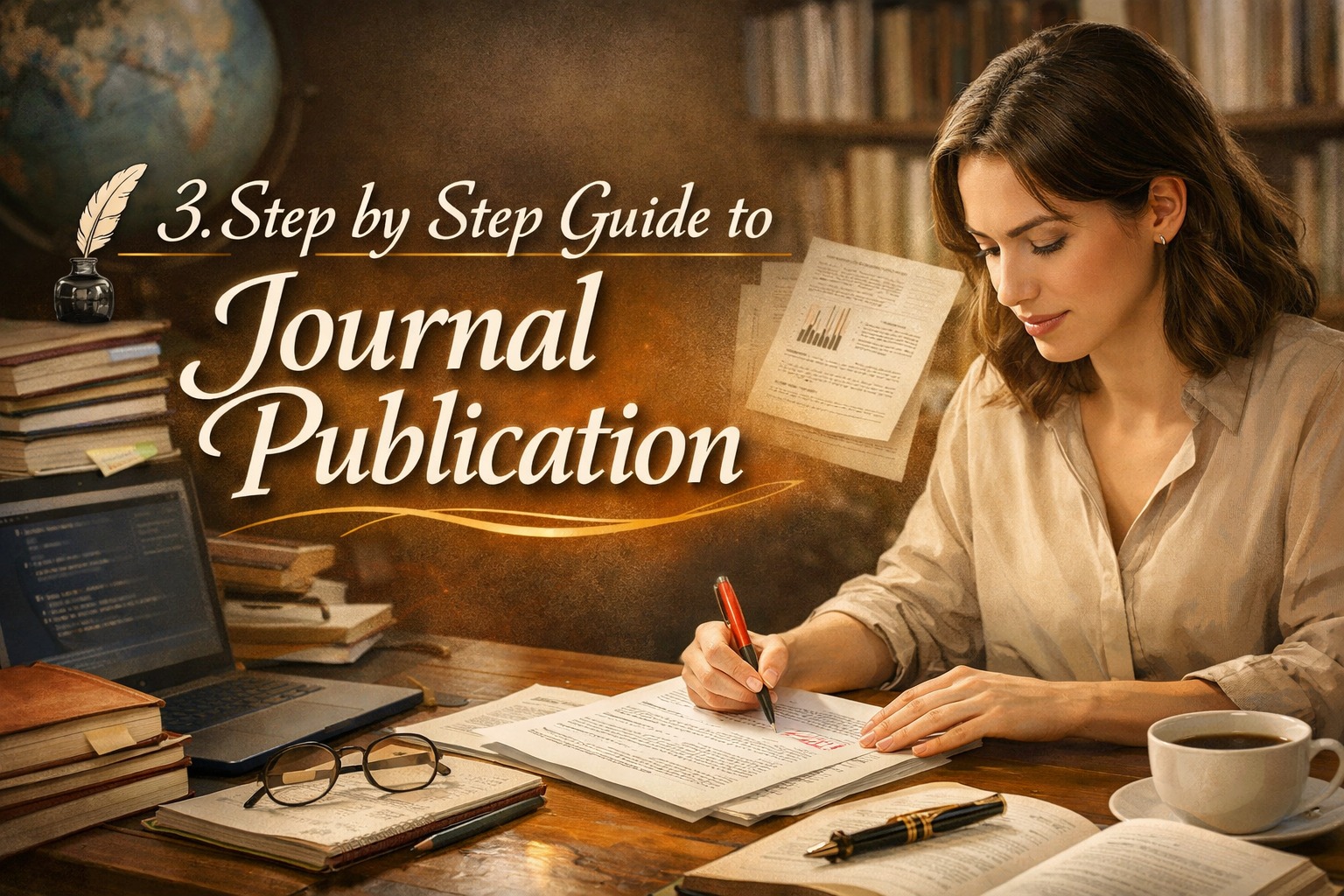
Journal publication is an essential process for students, researchers, and academic professionals who want to share their research findings with the scientific community. Publishing in an academic journal not only strengthens an author's professional reputation but also contributes to the advancement of knowledge across various disciplines. Although the publication process may seem complicated, understanding each step can make it much easier to navigate.
Many first-time authors believe that publishing a research paper is difficult because they are unfamiliar with editorial procedures and journal requirements. In reality, following a structured approach and preparing the manuscript carefully can significantly improve the chances of acceptance. This guide explains each stage of journal publication from manuscript preparation to final publication.
PREPARE A HIGH QUALITY MANUSCRIPT
The first step in journal publication is preparing a well-organized and original research article. The manuscript should clearly present the research objectives, methodology, results, discussion, and conclusion. Every section must be written logically and supported by reliable evidence to ensure academic credibility.
Authors should also focus on clarity and consistency throughout the manuscript. A well-written article allows editors and reviewers to understand the significance of the research more effectively and improves the overall quality of the submission.
SELECT THE RIGHT ACADEMIC JOURNAL
Choosing the appropriate academic journal is one of the most important decisions during the publication process. Every journal has its own scope, audience, editorial standards, and submission guidelines. Submitting your research to a journal that matches your study area greatly increases the possibility of acceptance.
Before submitting your manuscript, review the journal's aims, scope, and recently published articles. This helps ensure that your research aligns with the journal's focus and editorial expectations.
FOLLOW THE AUTHOR GUIDELINES
Each journal provides detailed author guidelines explaining manuscript formatting, citation style, reference requirements, and submission procedures. Carefully following these instructions is essential because formatting mistakes may result in immediate rejection before the article reaches the review stage.
Take sufficient time to format every section correctly, including tables, figures, references, and supplementary materials. Attention to detail demonstrates professionalism and respect for the journal's editorial process.
SUBMIT YOUR MANUSCRIPT
After completing the manuscript, the next step is the submission process through the journal's online platform. Authors are generally required to upload the manuscript, provide author information, submit keywords, and complete publication forms if necessary. Make sure every required document has been included before final submission.
Once submitted, the editorial office performs an initial screening to determine whether the manuscript meets the journal's scope and technical requirements. Articles that pass this stage continue to the peer review process.
COMPLETE THE PEER REVIEW PROCESS
The peer review stage is one of the most important parts of journal publication. Independent experts evaluate the manuscript by examining its originality, methodology, data analysis, scientific contribution, and overall quality. Reviewers may recommend acceptance, revision, or rejection based on their assessment.
Authors should carefully consider every reviewer comment and revise the manuscript accordingly. Providing detailed responses to reviewer suggestions demonstrates professionalism and improves the likelihood of publication.
FINAL ACCEPTANCE AND PUBLICATION
After all revisions have been completed and approved, the editor makes the final publication decision. Accepted manuscripts proceed to copyediting, proofreading, formatting, and production before appearing in the journal. Depending on the publisher, articles may be released online before being included in a scheduled journal issue.
Authors should review the final proofs carefully to ensure there are no remaining errors before official publication. This final quality check helps maintain the accuracy and professionalism of the published article.
CONTINUE IMPROVING YOUR RESEARCH SKILLS
Successful journal publication is not the end of the academic journey. Researchers should continue improving their scientific writing skills by reading high-quality journal articles, attending academic workshops, and conducting meaningful research. Every publication provides valuable experience that strengthens future research projects.
If a manuscript is rejected, authors should use reviewer feedback as an opportunity for improvement. Persistence, continuous learning, and commitment to research excellence are essential for long-term success in academic publishing.
CONCLUSION
Following a step by step guide to journal publication helps authors understand every stage of the academic publishing process. From preparing a high-quality manuscript and selecting the right journal to responding professionally during peer review, each step contributes to publication success. With careful preparation, patience, and continuous improvement, students and researchers can significantly increase their chances of publishing in respected academic journals.
About the Author
Gusti Ayu Tita P
Author — STEKOM University
An active author focused on academic issues, educational technology, and human resource development in the campus environment.