How Political Parties Influence Political and Economic Stability?
Gusti Ayu Tita P
7 Oktober 2026
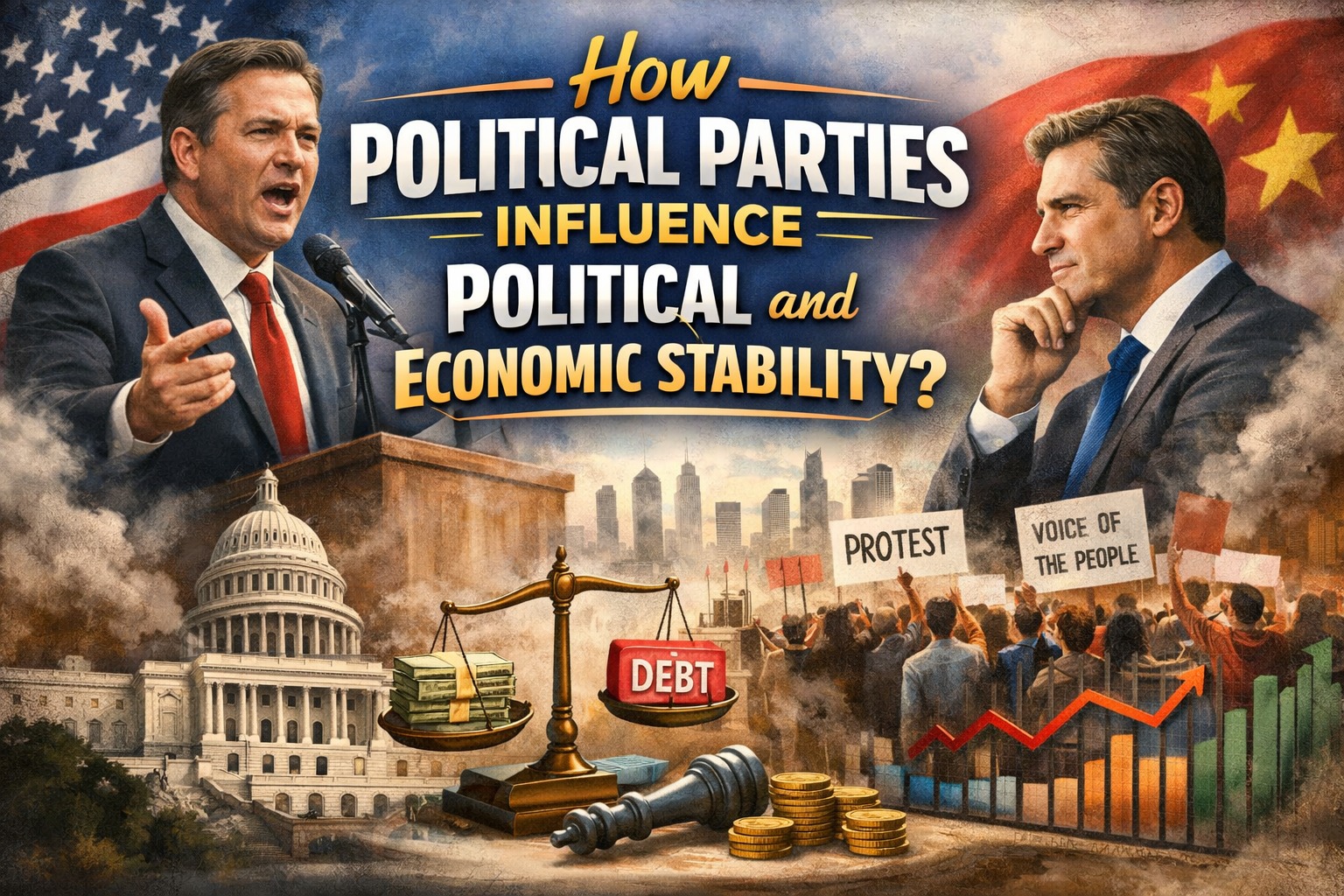
Political parties are one of the most important pillars of a democratic system. They connect citizens with the government, represent public interests, and help shape national policies. The quality of political parties often determines whether a country can maintain political stability and achieve sustainable economic growth. When political parties work responsibly, they create confidence among citizens, investors, and international partners. Understanding their influence helps people recognize why strong political institutions are essential for national development.
THE ROLE OF POLITICAL PARTIES IN A DEMOCRATIC SYSTEM
Political parties represent the voices of different groups within society. They develop policy platforms, nominate candidates for public office, and encourage citizens to participate in elections. Through these functions, political parties ensure that public concerns are brought into the decision-making process. They also provide a structured way for political competition to occur peacefully rather than through conflict.
In addition, responsible political parties help maintain public trust in democratic institutions. They educate voters about national issues and encourage informed political participation. Strong political organizations also promote accountability by monitoring government performance and proposing alternative policies. This healthy competition strengthens democracy and reduces the risk of political instability.
HOW POLITICAL PARTIES CREATE POLITICAL STABILITY?
Political stability is achieved when government institutions operate consistently and peacefully. Political parties contribute to this stability by respecting election results, following constitutional rules, and resolving disagreements through democratic processes. Stable governments can make long-term decisions without constant political disruption. This creates confidence among citizens and businesses.
Political parties also help reduce social tensions by providing legal channels for public opinion and political debate. Instead of allowing conflicts to escalate, they encourage negotiation and compromise. Effective cooperation between ruling and opposition parties promotes balanced governance. As a result, democratic systems become stronger and more resilient during periods of challenge.
THE IMPACT OF POLITICAL PARTIES ON ECONOMIC STABILITY
A country's economic stability is closely linked to the quality of its political leadership. Political parties influence economic policies related to taxation, investment, employment, education, and infrastructure. Well-designed policies encourage business growth, attract foreign investment, and create more job opportunities. Stable political conditions also reduce uncertainty for investors.
When political parties prioritize long-term national interests over short-term political gains, economic development becomes more sustainable. Consistent policies allow companies to plan future investments with greater confidence. Governments supported by stable political parties can also respond more effectively to financial crises. This contributes to stronger economic resilience and continuous national growth.
CHALLENGES THAT MAY THREATEN STABILITY
Although political parties play a positive role, they may also create challenges if they fail to uphold democratic values. Political polarization, corruption, and excessive competition can weaken public trust. When political conflicts become extreme, government decision-making may slow down and reduce policy effectiveness. This uncertainty can negatively affect both political and economic conditions.
Another challenge is the spread of misinformation during election campaigns. False information may increase social divisions and reduce confidence in democratic institutions. Political parties have a responsibility to promote accurate information and respectful public debate. Ethical political behavior supports long-term national stability.
STRATEGIES TO STRENGTHEN POLITICAL AND ECONOMIC STABILITY
Improving the quality of political parties requires strong internal governance, transparency, and accountability. Political organizations should prioritize capable leadership, policy expertise, and public service instead of personal interests. Continuous political education also helps members understand democratic principles and responsible governance. These efforts increase public confidence in political institutions.
Governments, civil society, educational institutions, and citizens all share responsibility for maintaining stability. Public participation, fair elections, and respect for the rule of law create a healthier democratic environment. Cooperation among political parties can produce better policies that benefit society as a whole. Strong institutions combined with responsible political leadership provide the foundation for lasting political and economic success.
CONCLUSION
Political parties have a significant influence on both political stability and economic stability. Their ability to represent citizens, develop effective policies, and maintain democratic values directly affects national progress. Responsible political leadership encourages investor confidence, economic development, and peaceful governance. At the same time, transparency, accountability, and constructive political competition help strengthen democratic institutions. By supporting ethical and effective political parties, every nation can build a more stable, prosperous, and sustainable future.
About the Author
Gusti Ayu Tita P
Author — STEKOM University
An active author focused on academic issues, educational technology, and human resource development in the campus environment.