Strategies for Finding Your Dream Job Through a Job Fair
Gusti Ayu Tita P
27 Agustus 2026
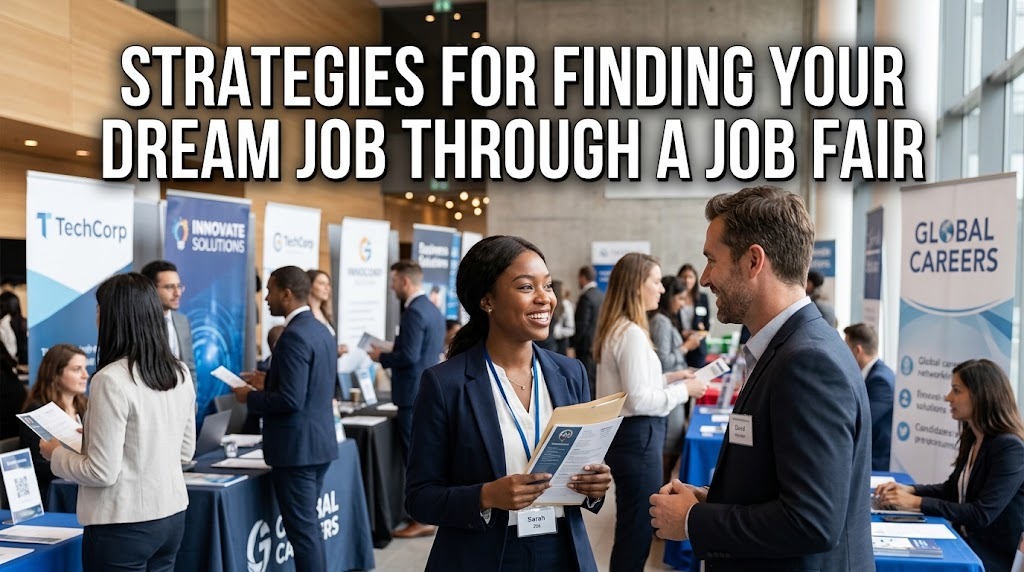
A job fair can be a valuable opportunity for job seekers to meet recruiters, discover career opportunities, and learn more about different companies in one place. For fresh graduates and early career professionals, it can also provide direct access to employers that may be difficult to reach through online applications alone. However, attending a job fair without a clear strategy can make the experience less effective. By preparing carefully and communicating professionally, you can increase your chances of finding a job that matches your skills, interests, and career goals.
DEFINE YOUR DREAM JOB BEFORE THE EVENT
Before attending a job fair, identify the type of job you want to pursue. Consider your education, skills, interests, previous experiences, preferred work environment, and long term career goals. A clear target will help you recognize opportunities that genuinely match your profile instead of applying for every available position. It also makes it easier to explain your career interests when speaking with recruiters.
You do not need to limit yourself to one exact job title. Instead, identify several related roles that can support the same career direction. For example, someone interested in digital marketing might consider content marketing, social media, communications, or marketing specialist positions. Having a focused but flexible target can increase your opportunities while keeping your job search relevant.
RESEARCH COMPANIES BEFORE THE JOB FAIR
Researching participating companies is one of the most useful steps you can take before the event. Review their industries, products or services, available positions, required qualifications, and basic company information. Pay special attention to employers whose opportunities closely match your skills and career goals. Create a priority list so you know which booths you should visit first.
Good research also helps you communicate more confidently with recruiters. Instead of asking questions that are already answered in the job advertisement, you can discuss specific responsibilities or skills related to the position. This demonstrates genuine interest and preparation. It also allows you to determine whether the company is actually suitable for your professional goals.
PREPARE A TARGETED RESUME
Your resume should make it easy for recruiters to understand your strengths. Include relevant education, internships, projects, organizational experience, certifications, skills, and achievements. Fresh graduates can use academic projects, volunteer activities, and campus organizations to demonstrate transferable skills when professional experience is limited. Keep the information concise and focus on details that support your target positions.
Consider preparing different versions of your resume if you are applying for positions in different fields. Highlight relevant skills and experiences for each type of role without changing the facts. For example, a resume for a marketing position can emphasize communication and content experience, while a technology application can focus more on technical projects. A targeted resume can make your profile more relevant and easier for recruiters to evaluate.
CREATE A STRONG PERSONAL INTRODUCTION
Recruiters at job fairs often have limited time to speak with each candidate. Prepare a short introduction that includes your name, educational background, relevant experience, key skills, and the type of position you are seeking. The goal is not to tell your entire career story but to give the recruiter a clear overview of your profile. Keep your introduction natural, confident, and easy to understand.
Practice your introduction before attending the event. Try saying it several times without relying on a memorized script. You should also be prepared to answer follow up questions about your experience, strengths, and reasons for applying. Good preparation can help you remain confident even when the conversation happens unexpectedly.
SHOW THE VALUE YOU CAN BRING
Recruiters want to understand what you can contribute to their organization. When discussing your experience, focus on actions, skills, and results rather than simply listing responsibilities. Use specific examples from internships, academic projects, organizations, freelance work, or previous employment. Concrete examples provide stronger evidence of your abilities than general statements.
For example, instead of simply saying that you have communication skills, explain how you coordinated an event, presented a project, managed a team, or communicated with external partners. If you achieved measurable results, include accurate numbers when appropriate. This approach helps recruiters see how your abilities could be applied in the workplace.
ASK SMART QUESTIONS TO RECRUITERS
A job fair is an opportunity for you to evaluate companies as well. Prepare several questions about the position, recruitment process, work responsibilities, required skills, or professional development opportunities. Asking thoughtful questions can show that you have researched the company and are genuinely interested in the role. It can also help you determine whether the position matches your expectations.
Avoid asking questions that can easily be answered by reading the job description. You should also avoid making compensation the only subject of your first conversation with a recruiter. Listen carefully to the answers and respond naturally. A meaningful conversation can leave a stronger impression than simply submitting a resume and walking away.
BUILD PROFESSIONAL NETWORKS
Networking is another important benefit of attending a job fair. You may meet recruiters, industry professionals, career advisors, and other candidates who can provide useful information. A conversation that does not immediately result in a job can still lead to future opportunities or valuable career insights. Therefore, approach each professional interaction with respect and genuine interest.
If a recruiter invites you to connect through a professional networking platform, take the opportunity appropriately. Send a short message reminding them of your conversation and mentioning the position you discussed. Avoid repeatedly asking for updates or demanding an immediate response. Building a professional network takes time and depends on consistent, respectful communication.
FOLLOW UP AFTER THE EVENT
Your job search should not stop when the job fair ends. Review your notes and organize the information you received from each company. If recruiters provide specific application instructions, follow them carefully and submit the required documents before the deadline. Some companies may require candidates to complete an online application even after receiving a printed resume at the event.
When appropriate, send a brief follow up message to thank the recruiter for the conversation. Mention the position you discussed and confirm your continued interest. Keep the message professional and concise rather than asking for an immediate hiring decision. A thoughtful follow up can reinforce your professionalism and keep the interaction fresh in the recruiter's memory.
EVALUATE AND IMPROVE YOUR STRATEGY
Finding your dream job may require attending more than one job fair. If you do not receive an interview or job offer immediately, evaluate what you can improve. Review the quality of your resume, the companies you targeted, your introduction, and the way you communicated with recruiters. This evaluation can reveal weaknesses that you can address before your next opportunity.
Treat every job fair as practical experience in professional networking and recruitment. Improve your resume when necessary, learn more about your target industry, and practice answering common interview questions. Continue developing skills that employers frequently seek in your field. With consistent preparation and improvement, each event can bring you closer to the right career opportunity.
CONCLUSION
Finding your dream job through a job fair requires more than attending the event and distributing resumes. You need to define your career target, research companies, prepare a relevant resume, communicate your value, and build meaningful professional connections. Asking thoughtful questions and following up after the event can further strengthen your chances of being considered. Even when a job fair does not immediately lead to employment, the experience can provide valuable lessons for future applications. With preparation, persistence, and a focused strategy, a job fair can become an effective step toward finding a rewarding career.
About the Author
Gusti Ayu Tita P
Author — STEKOM University
An active author focused on academic issues, educational technology, and human resource development in the campus environment.