
Strategies For Managing Inherited Assets And Avoiding Tax Problems
Gusti Ayu Tita P
28 Agustus 2026
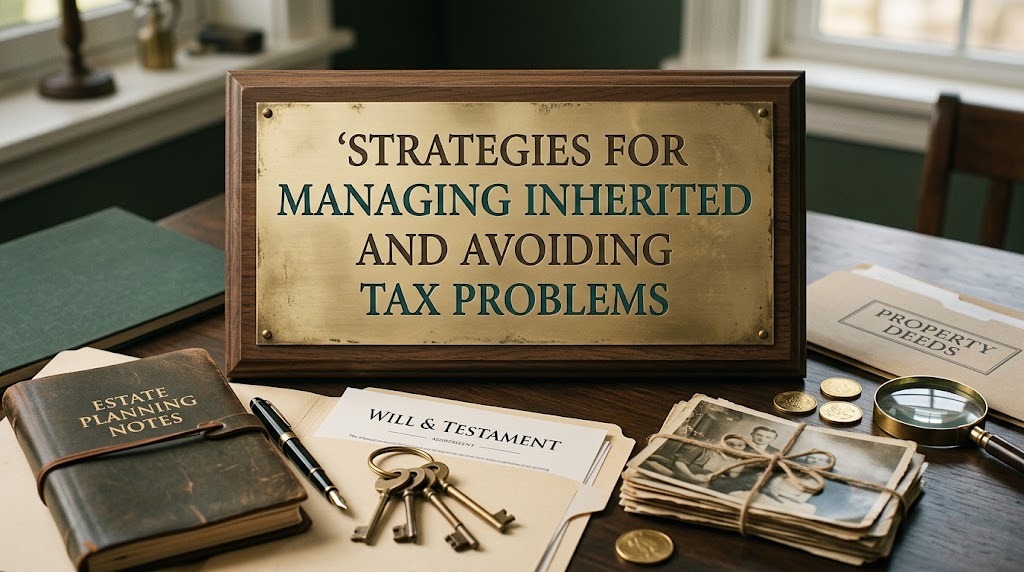
Receiving an inheritance can provide valuable financial support, but it can also create tax obligations, legal responsibilities, and financial decisions that should not be ignored. Inherited assets may include property, money, investments, vehicles, or other valuable possessions. Understanding the applicable rules before transferring, selling, or using these assets can help heirs avoid unnecessary problems. Good planning also makes it easier to protect the value of the inheritance and maintain family financial stability. This article explains practical strategies for managing inherited assets and avoiding tax problems.
UNDERSTANDING THE TAX STATUS OF INHERITED ASSETS
The first step is to understand that receiving an inheritance and earning income are not necessarily treated in the same way for tax purposes. In Indonesia, inheritance that has not been divided can have different tax implications from inheritance that has already been distributed to the heirs. Therefore, heirs should identify the legal and tax status of the assets before taking further action. The type of asset can also influence the obligations that arise, especially when the asset is later transferred or sold. Understanding these distinctions can prevent incorrect assumptions about tax payments.
Heirs should also review whether the deceased person had any outstanding tax obligations. Tax administration should be handled carefully so that unresolved matters do not create difficulties for the estate or beneficiaries. When the situation is complicated, consulting a tax professional or legal adviser can provide additional clarity. This is particularly useful when an inheritance involves several heirs, business assets, or valuable property.
PREPARE COMPLETE DOCUMENTATION
Complete documentation is essential when managing inherited assets. Important documents may include the death certificate, family documents, inheritance statements, wills, land certificates, vehicle documents, bank records, and investment statements, depending on the assets involved. These documents help establish ownership and support the legal transfer process. Missing documents can delay administration and make it harder to determine the correct tax treatment. Heirs should therefore organize all relevant records before transferring or disposing of assets.
It is also helpful to create a detailed list of inherited assets and their supporting documents. The list can include the type of asset, estimated value, ownership status, location, and current condition. Keeping copies of important documents in a secure location can reduce the risk of losing critical information. Organized records also make communication between family members and professionals more efficient.
DETERMINE THE VALUE AND OWNERSHIP OF ASSETS
Knowing the value of inherited property is important for proper financial and tax planning. Property, investments, business interests, and other valuable assets may require different methods of valuation. Heirs should use reliable valuation information and retain supporting evidence for important transactions. An accurate valuation can help prevent disputes among heirs and provide a clearer basis for future financial decisions. It can also be useful if an asset is eventually sold or transferred.
Ownership should be confirmed before an heir makes any major decision. An inherited property, for example, may still be registered under the deceased person's name until the required administrative process is completed. If several heirs are involved, their rights and responsibilities should be clearly identified. Clear ownership records reduce the possibility of disputes and help ensure that subsequent transactions are properly documented.
COMPLETE THE NECESSARY LEGAL AND TAX ADMINISTRATION
After identifying the assets, heirs should complete the necessary administrative procedures according to the type of inheritance. Property may require changes to ownership records, while financial assets may require documentation from banks or investment institutions. Each asset can have different requirements, so heirs should not assume that one procedure applies to everything. Accurate tax and legal administration can help prevent delays and future complications. Records of completed procedures should also be kept for future reference.
Heirs should also check whether any tax reporting or payment obligations arise from subsequent transactions involving the inherited assets. For example, selling an inherited property can create tax considerations that are different from simply receiving the inheritance. The tax treatment depends on the applicable Indonesian regulations and the circumstances of the transaction. When there is uncertainty, obtaining professional advice is safer than relying on assumptions.
AVOID SELLING ASSETS WITHOUT TAX PLANNING
Selling an inherited asset may generate cash, but the transaction should be evaluated before it takes place. Selling inherited property or investments can create tax consequences depending on the type of asset and applicable regulations. Heirs should calculate potential costs and taxes before agreeing to a sale. Comparing the expected selling price with transaction expenses can also show whether the decision is financially beneficial. Rushing into a sale without adequate preparation can reduce the value of the inheritance.
Before selling, heirs should collect relevant ownership and valuation documents. They should also understand whether the transaction requires specific reporting or administrative procedures. If the asset has multiple owners, all necessary approvals should be obtained before completing the transaction. Careful tax planning can make the selling process more predictable and reduce the risk of unexpected financial obligations.
MANAGE INHERITED PROPERTY WISELY
Inherited property should not automatically be sold or retained without considering the family's financial goals. Heirs can evaluate whether the property should be used, rented, sold, or maintained as a long term asset. Each option has different financial consequences, including maintenance expenses, potential income, and tax considerations. A property that appears valuable may become a financial burden if maintenance and other costs are too high. Therefore, decisions should be based on both the asset's value and the family's financial capacity.
If the property is rented, heirs should understand the tax and reporting obligations related to rental income. If it is sold, they should consider the applicable transaction taxes and costs. Proper planning allows heirs to make decisions based on actual financial benefits rather than emotional considerations. This approach can help preserve the inheritance and support long term financial stability.
KEEP FAMILY MEMBERS INFORMED
Inheritance can sometimes cause disagreements when family members have different expectations. Clear communication about asset ownership, responsibilities, and financial decisions can reduce misunderstandings. Every heir should understand which assets are involved and how decisions will be made. Written agreements and properly prepared legal documents can provide additional protection when several people share ownership. Transparency is especially important when inherited assets have significant financial value.
Families should also avoid making major decisions based only on verbal agreements. Important transfers, sales, and ownership arrangements should be supported by appropriate documentation. If disagreements arise, professional legal or financial assistance can help the parties find a structured solution. Good communication and proper records can protect both family relationships and financial interests.
USE PROFESSIONAL ADVICE WHEN NECESSARY
Some inheritance situations are simple, while others involve complex assets and multiple legal or tax considerations. Professional assistance can be valuable when an inheritance includes large properties, business ownership, investments, multiple heirs, or unresolved tax matters. A tax consultant can help explain relevant tax obligations, while a legal professional can assist with ownership and inheritance issues. Financial advisers can also help heirs decide how to manage assets after the transfer. Using professional advice can reduce the risk of costly mistakes.
However, heirs should still understand the basic information themselves. Professionals can provide recommendations, but the final financial decisions should reflect the family's needs and objectives. Comparing advice and asking for clear explanations can help heirs make informed choices. Professional guidance is especially useful when the value or complexity of the inheritance is high.
CONCLUSION
Managing inherited assets requires more than simply receiving property or money from a family member. Heirs should understand the tax status, ownership, valuation, documentation, and potential consequences of future transactions. Complete records should be prepared, legal administration should be handled properly, and major financial decisions should be made carefully. Selling or transferring assets without understanding the relevant tax rules can create unnecessary problems. With proper planning and professional assistance when needed, inherited assets can be managed more safely and effectively.
About the Author
Gusti Ayu Tita P
Author — STEKOM University
An active author focused on academic issues, educational technology, and human resource development in the campus environment.