Understanding Citizens Rights and Responsibilities in Elections
Gusti Ayu Tita P
10 Oktober 2026
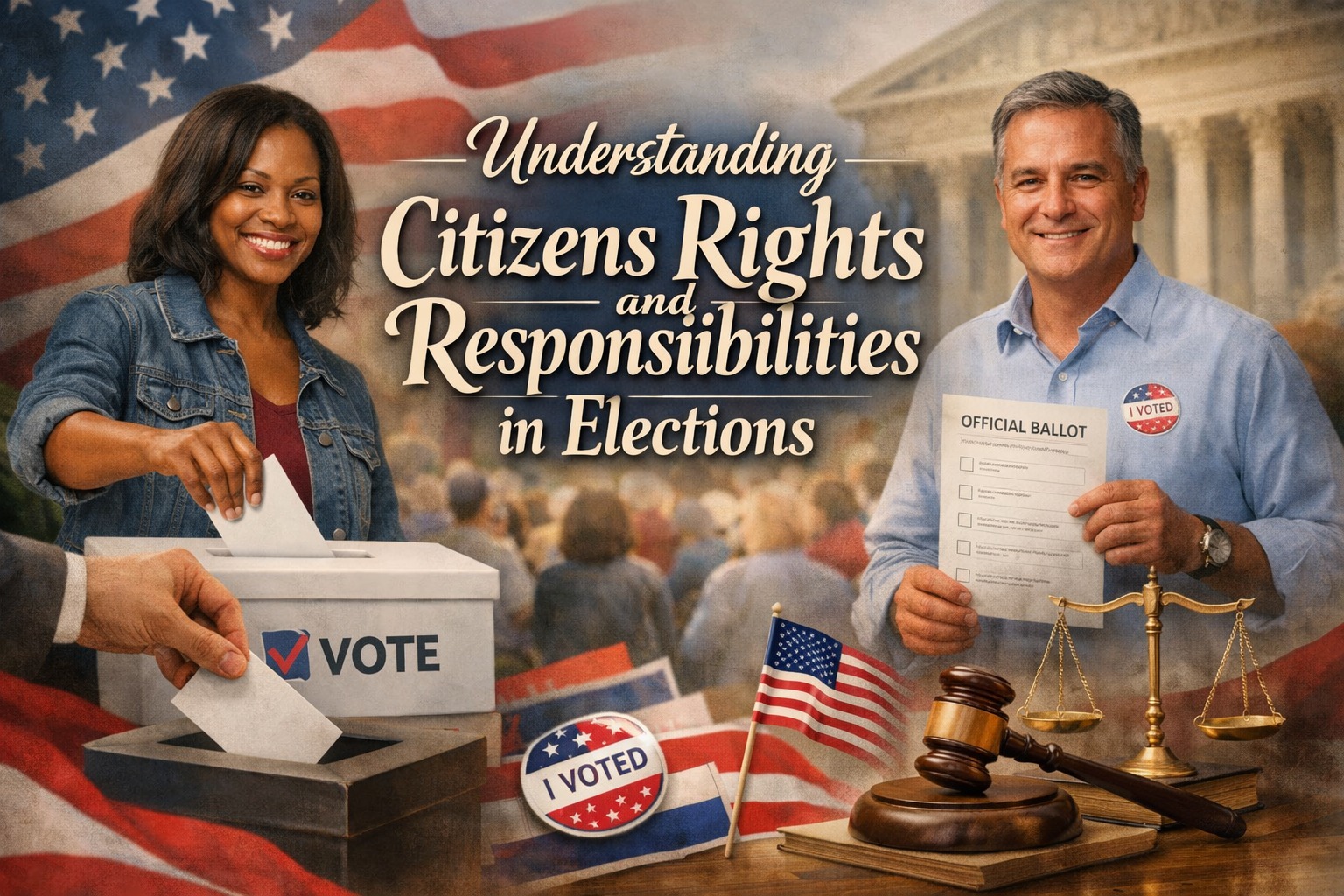
Elections are one of the most important pillars of a democratic society, allowing citizens to participate directly in choosing their leaders. Every eligible citizen has both rights and responsibilities that help ensure elections remain fair, transparent, and trustworthy. Understanding these rights empowers people to participate confidently, while fulfilling their responsibilities strengthens democratic institutions. Citizens who are well informed contribute to peaceful elections and accountable governance. Learning about these essential principles is an important step toward building a stronger and more inclusive democracy.
THE IMPORTANCE OF CITIZENS RIGHTS IN ELECTIONS
Every eligible citizen has the right to vote, which is one of the most fundamental rights in a democratic nation. This right allows individuals to choose representatives who will make decisions on behalf of the public. Elections provide equal opportunities for citizens to express their political preferences without discrimination or intimidation. Protecting voting rights helps ensure that every voice has equal value. Strong voting rights are the foundation of democratic participation.
Citizens also have the right to access accurate election information. Reliable information about candidates, voting procedures, and election schedules enables people to make informed decisions. Equal access to election information promotes fairness and transparency. Governments and election authorities have an important responsibility to provide clear and trustworthy information. Informed voters strengthen the quality of democratic elections.
UNDERSTANDING CITIZENS RESPONSIBILITIES
While citizens enjoy important rights, they also have essential responsibilities during elections. Responsible voters should learn about candidates, understand public issues, and evaluate political programs objectively. Decisions should be based on facts rather than rumors or emotional influence. Thoughtful voting contributes to better leadership and stronger democratic institutions. Every informed vote has a meaningful impact on society.
Citizens should also respect election laws and democratic principles throughout the electoral process. Peaceful participation, respect for different political opinions, and responsible public behavior help maintain social harmony. Democracy becomes stronger when citizens fulfill both their rights and obligations. Responsible civic participation benefits the entire nation.
THE ROLE OF INFORMED VOTERS
An informed voter carefully examines the qualifications, experience, and policy proposals of each candidate before making a decision. Gathering information from official sources helps reduce the influence of false or misleading content. Knowledge allows voters to compare candidates fairly and objectively. Well-informed citizens are less likely to be influenced by political manipulation. Education remains one of the strongest protections for democracy.
Informed voters also encourage constructive political discussions within their communities. Instead of spreading misinformation, they promote respectful dialogue supported by verified facts. This approach strengthens public trust in elections and democratic institutions. A knowledgeable electorate contributes to more effective and accountable government.
REJECTING UNETHICAL ELECTION PRACTICES
Protecting democracy requires citizens to reject vote buying, intimidation, and other unethical election practices. These actions undermine public trust and weaken the legitimacy of election outcomes. Choosing leaders based on financial incentives instead of competence can negatively affect governance for years. Ethical voting promotes fairness and equal opportunity for all candidates. Integrity is essential for quality elections.
Citizens should also avoid sharing misinformation or participating in activities that create unnecessary political conflict. Verifying information before sharing it helps prevent confusion and protects public confidence. Responsible online behavior is increasingly important in the digital era. Ethical participation strengthens both democracy and social unity.
HOW CITIZENS CAN SUPPORT FAIR ELECTIONS?
Every citizen can contribute to fair elections by following election regulations and participating responsibly. Arriving at polling stations on time, respecting voting procedures, and maintaining peaceful conduct all support a smooth election process. Citizens should also report suspected violations through the appropriate legal channels. Active public participation increases transparency and accountability. Responsible behavior protects election integrity.
Communities also play a significant role by encouraging civic education and promoting respectful political discussions. Public awareness campaigns help increase voter participation and improve democratic understanding. Cooperation among citizens strengthens confidence in election outcomes. Collective responsibility creates healthier democratic systems.
BUILDING A STRONGER DEMOCRACY THROUGH CIVIC RESPONSIBILITY
A successful democracy depends on citizens who understand both their rights and responsibilities. Governments, educational institutions, civil society organizations, and the media should work together to expand civic education. Continuous learning helps people stay informed about election procedures and democratic values. Civic knowledge encourages long-term political participation. Educated citizens become stronger defenders of democracy.
Future democratic progress requires ongoing public engagement beyond election day. Citizens should remain involved by monitoring government performance, participating in community discussions, and exercising their democratic rights responsibly. Democracy grows stronger when people remain active throughout the entire political process. Civic responsibility supports lasting national development.
CONCLUSION
Understanding citizens rights and responsibilities in elections is essential for protecting democracy and ensuring fair political participation. Every eligible citizen has the right to vote, access accurate election information, and participate freely, while also carrying the responsibility to make informed decisions, respect election laws, and reject unethical practices. Informed and responsible citizens strengthen democratic institutions, increase public trust, and encourage accountable leadership. By promoting civic education and active participation, societies can create stronger, more transparent, and more inclusive elections. A healthy democracy begins with citizens who understand both their rights and their responsibilities.
About the Author
Gusti Ayu Tita P
Author — STEKOM University
An active author focused on academic issues, educational technology, and human resource development in the campus environment.