
Why Witnesses Matter When Creating a Will?
Gusti Ayu Tita P
2 September 2026
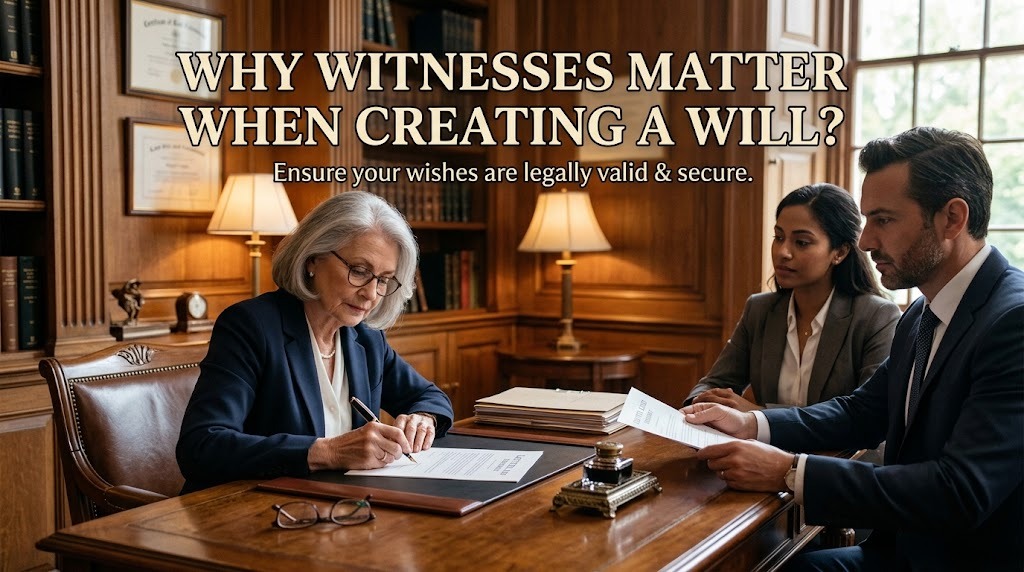
Creating a will is an important step in estate planning, but writing down your wishes is not always enough. Depending on the applicable law and type of will, the document may need to meet specific formal requirements, including the presence and signatures of witnesses. Witnesses can help establish that the will was properly signed and that the person making it acted voluntarily. Their role can therefore contribute to the legal reliability of the document. Understanding why witnesses matter can help prevent avoidable problems during estate administration.
THE ROLE OF WITNESSES IN A WILL
A witness is generally a person who observes the signing or execution of a will and confirms that the required procedure took place. The exact role of witnesses differs between legal systems and types of wills. In some jurisdictions, witnesses are required for particular forms of wills, while other forms may follow different procedures. Their involvement is therefore not simply a matter of tradition. It can be an important part of satisfying the formal requirements established by law.
Witnesses may also provide evidence about the circumstances surrounding the signing if questions arise later. They can potentially confirm that the person appeared to understand what they were signing and acted voluntarily, depending on the applicable rules. This can be especially relevant if the will is later challenged. However, witnesses do not automatically guarantee that a will is legally valid. The entire document and its execution must comply with the applicable law.
HELPING CONFIRM VOLUNTARY SIGNING
One reason witnesses can be important is that they may help establish that the person making the will signed voluntarily. A will should represent the person's own decisions rather than instructions imposed through pressure or improper influence. Having witnesses present can provide independent observations about the signing process. This may become valuable if someone later questions how the will was created. Proper procedures can therefore strengthen confidence in the document.
Witnesses should generally be independent of the decisions being made in the will. Their involvement should not be used to pressure the person into accepting particular instructions. The testator should understand the document and make decisions freely. If there are concerns about capacity, undue influence, or coercion, professional legal advice may be necessary. Witnessing is only one part of protecting the integrity of the process.
WITNESSES AND LEGAL FORMALITIES
Many legal systems establish specific requirements for signing and witnessing wills. These may include the number of witnesses, their presence during signing, their signatures, and other procedural details. Requirements can differ significantly depending on the jurisdiction. A procedure that is acceptable in one country may not satisfy the rules in another. It is therefore important to follow the requirements that apply to the particular will.
Failing to follow mandatory formalities can create legal uncertainty or challenges. Even if the person's intentions are clear, a technical problem with execution may affect how the document is treated. People should not assume that simply asking two relatives to sign a document is sufficient. The relevant rules should be confirmed before the will is finalized. A qualified legal professional or notary, where appropriate, can help explain the required procedure.
CHOOSING APPROPRIATE WITNESSES
Choosing witnesses carefully can help avoid potential conflicts. In many legal systems, beneficiaries or people closely connected to beneficiaries may be unsuitable or may face consequences if they act as witnesses. The exact restrictions depend on local law. Using independent witnesses can therefore be a safer approach when legally permitted. Their role should remain limited to properly witnessing the document.
Witnesses should also understand that they are not necessarily responsible for deciding whether the distribution is fair. Their primary responsibility is generally connected to observing and confirming the execution process. They should not pressure the testator or alter the person's instructions. If they have concerns about the circumstances, those concerns should be addressed before signing. Following the correct procedure helps preserve the credibility of the will.
WHY INDEPENDENT WITNESSES CAN BE HELPFUL?
Independent witnesses can provide greater confidence that the will was executed without inappropriate involvement from interested parties. If a dispute arises later, independent witnesses may be able to provide useful evidence about what happened during the signing. Their testimony may help clarify whether the required formalities were followed. This can be particularly relevant when family relationships are complicated. However, the evidentiary value of a witness depends on the applicable legal rules.
Independence does not mean that every witness must be a legal professional. In many systems, ordinary adults may serve as witnesses if they meet the applicable requirements. What matters is whether they are legally qualified and appropriately independent. A person should therefore check the relevant rules before selecting witnesses. When uncertain, professional assistance can reduce the risk of an invalid or disputed execution.
WITNESSES DO NOT DETERMINE INHERITANCE RIGHTS
Witnesses generally do not decide who should inherit the estate. Their role is related to the execution and authentication process rather than determining the fairness of the distribution. Inheritance rights are governed by applicable law and the circumstances of the family. Certain heirs may have legal protections that cannot simply be removed through a will. These issues should be considered separately from the witnessing process.
A witness also does not automatically confirm that every provision in a will is legally enforceable. Legal validity involves more than signatures. The document must satisfy relevant requirements concerning capacity, voluntariness, content, ownership, and other applicable rules. Understanding this distinction can prevent people from placing too much responsibility on witnesses. Proper estate planning considers the entire legal framework.
WHAT CAN HAPPEN IF WITNESS REQUIREMENTS ARE IGNORED?
If a will does not meet mandatory witness requirements, its validity may become subject to legal challenge or other complications. The consequences vary depending on the jurisdiction and the specific type of will. In some situations, a document may be treated differently from what the person expected. In others, certain provisions may face difficulties during estate administration. This is why formal execution should be taken seriously.
The safest approach is to determine the applicable requirements before signing. Do not rely on assumptions based on another person's will because different documents can be governed by different rules. If the will has already been signed incorrectly, professional legal advice may be needed to determine whether corrective action is possible. Taking action early can prevent greater difficulties later. Proper execution is an essential part of responsible estate planning.
KEEPING WITNESS INFORMATION ORGANIZED
After a will is properly executed, information about the witnesses and signing process should be retained where appropriate. This may include the completed document and other records required under local procedures. Good record keeping can make it easier to establish how and when the will was executed. It can also help those responsible for administering the estate locate relevant information later. Secure storage remains important because wills contain sensitive personal and financial instructions.
The person making the will should also ensure that the latest version can be located. Creating several versions without proper documentation can cause confusion. When a new will replaces an earlier one, the applicable procedure for dealing with previous documents should be followed. Keeping records organized supports a smoother estate administration process. It is another practical part of effective estate planning.
CONCLUSION
Witnesses matter when creating a will because they can play an important role in confirming that the document was properly executed. Depending on the applicable law, their presence and signatures may be required for certain types of wills. Independent and appropriately qualified witnesses can also provide useful evidence if questions arise about the signing process. However, witnesses do not determine inheritance rights or guarantee that every provision is legally valid. Following the correct formal requirements and seeking professional guidance when necessary can help create a clearer and more reliable estate plan.
About the Author
Gusti Ayu Tita P
Author — STEKOM University
An active author focused on academic issues, educational technology, and human resource development in the campus environment.